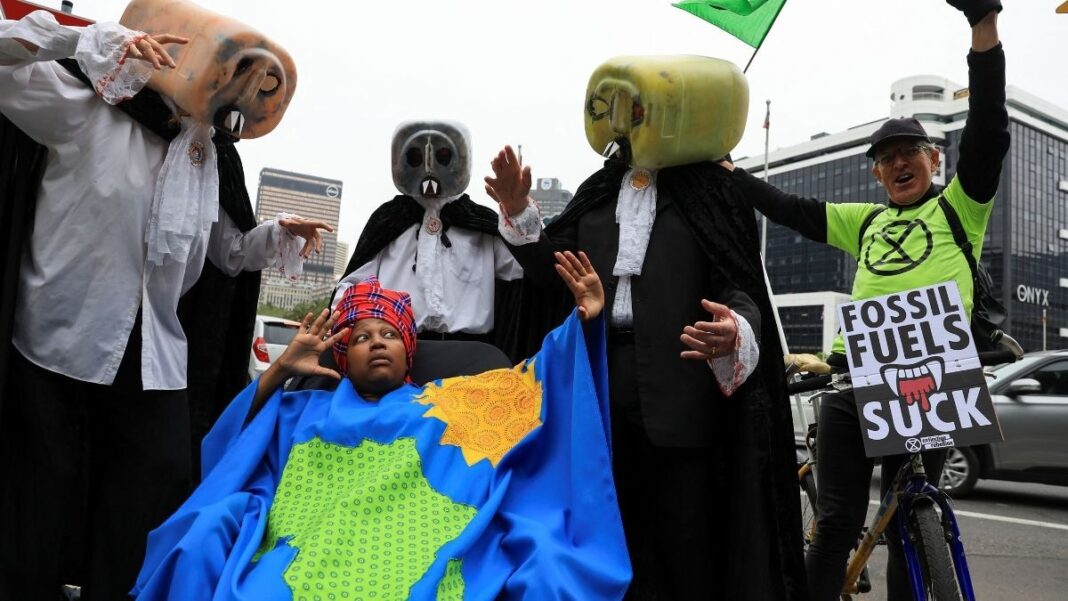
There is one joke that critics of solar energy have always loved. What happens when the Sun goes down?
For decades, it was a fair point. Solar panels are brilliant at noon and useless at midnight. Coal, gas, and oil do not have that problem.
They burn whenever you need them to, day or night. That dependability was fossil fuels’ last great argument. And for a long time, it was a convincing one.
This Earth Day, that argument has quietly collapsed.
A new report by global energy think tank Ember has confirmed that for the first time in over a hundred years, coal is no longer the world’s biggest source of electricity.
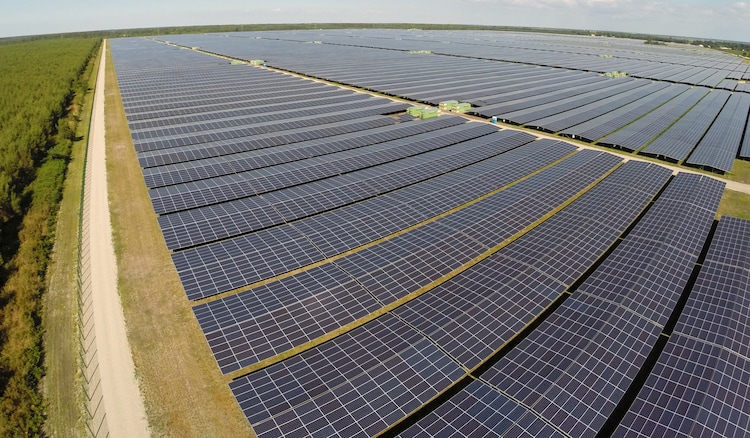
Renewable energy has taken its place. And the technology that finally made it possible is not a giant wind turbine or a sprawling solar farm. It is a battery which is getting cheaper and faster than almost anyone predicted.
This Earth Day 2026, the theme is Our Power, Our Planet. It sounds like a slogan. But look at the science, and it turns out it is simply a fact.
THE NUMBERS THAT CHANGED EVERYTHING
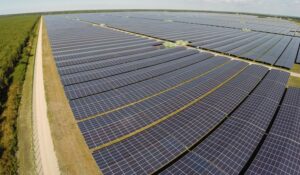
Solar, wind and other renewables made up 34 per cent of global electricity generation in 2025, overtaking coal’s 33 per cent share for the first time since 1919, when electricity demand was a tiny fraction of current levels, according to Ember’s Global Electricity Review 2026, published just yesterday.
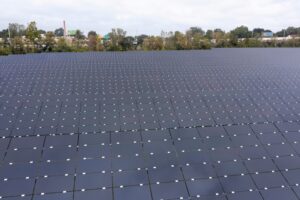
Global solar generation rose by 636 terawatt hours in 2025, a 30 per cent increase over the previous year and the fastest growth rate in eight years.
Solar energy alone met 75 per cent of the increase in global electricity demand, while together with wind it accounted for 99 per cent of demand growth.
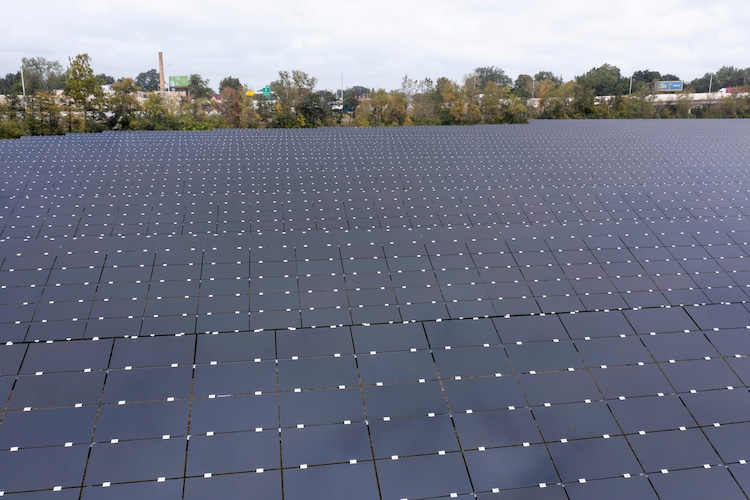
To understand just how significant that is: a terawatt hour is enough electricity to power roughly 90,000 Indian homes for a year.
Solar energy delivered 636 of those last year on top of everything it was already producing. That is not incremental progress. That is a turning point.
Coal power also dropped by 63 terawatt hours in 2025, marking the first fall since the Covid-19 pandemic in 2020, and the share of coal fell below a third of global generation for the first time in history.
WHY THIS EARTH DAY FEELS DIFFERENT
Our Power, Our Planet reflects a fundamental truth: environmental progress does not depend on any single administration or election.
It is sustained by the daily actions of communities, educators, workers, and families protecting where they live and work.
That is not just poetry. The renewable energy revolution was not handed down from above.
It was built bottom-up, by engineers who kept making solar panels cheaper, by cities that rewired their grids, by consumers who made different choices.
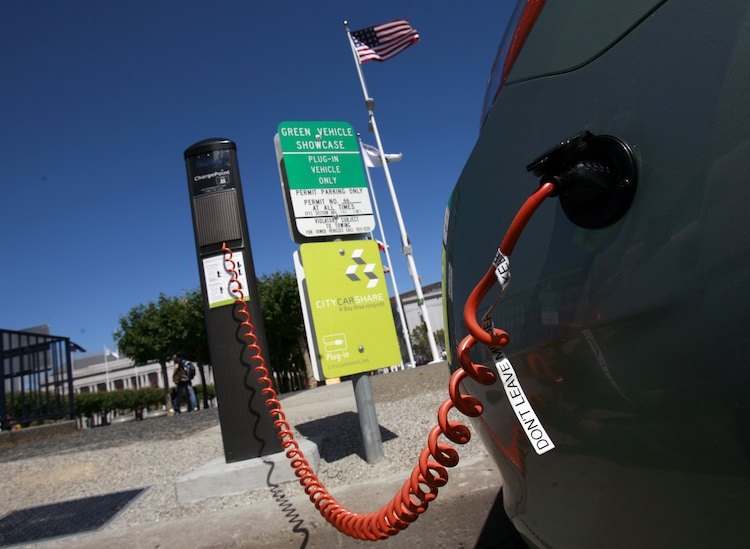
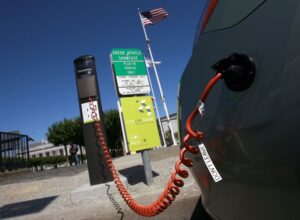
Electric car sales increased more than 20 per cent in 2025, exceeding 20 million units, with around one in four new cars sold globally now being electric. People chose that. Collectively, quietly, consistently.
Battery costs fell dramatically for the second year running: by 20 per cent in 2024 and a further 45 per cent in 2025, which means the world can now store enough solar energy to shift 14 per cent of solar generation to hours beyond daylight.
That is the unglamorous, essential work of a real energy transition.
BUT IS CLIMATE CHANGE SOLVED?
Not even close, and it would be dishonest to suggest otherwise. Global energy-related CO2 emissions still rose by around 0.4 per cent in 2025. Fossil fuels still contribute more than half of global electricity.
The 1.5-degree Celsius threshold set by the Paris Agreement, the limit beyond which climate scientists warn of serious, potentially irreversible damage, is widely considered out of reach.
Even so, roughly half the world has already passed the peak of fossil fuel generation.
The science also shows what would have happened without collective action: had wind and solar energy not grown since 2000, fossil fuel electricity generation would have been 30 per cent higher in 2025, and emissions would have been 28 per cent higher, adding over 4,000 million tonnes of CO2 annually.
The invisible mountain of emissions that never happened. That is the power of everyday decisions, measured in hard numbers.
Earth Day 2026 emphasises consistency over intensity. One day of eco-friendly action is symbolic.
Months of sustained change are transformative. The technology exists. The shift is real. What it needs now is not a miracle, it needs more people to show up.
Our power. Our planet. As of 2025, both statements are quite literally true.