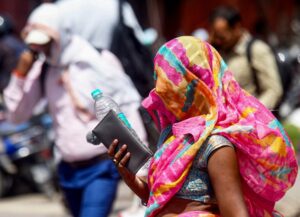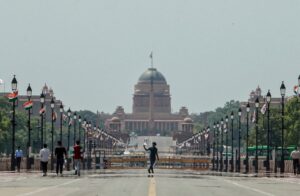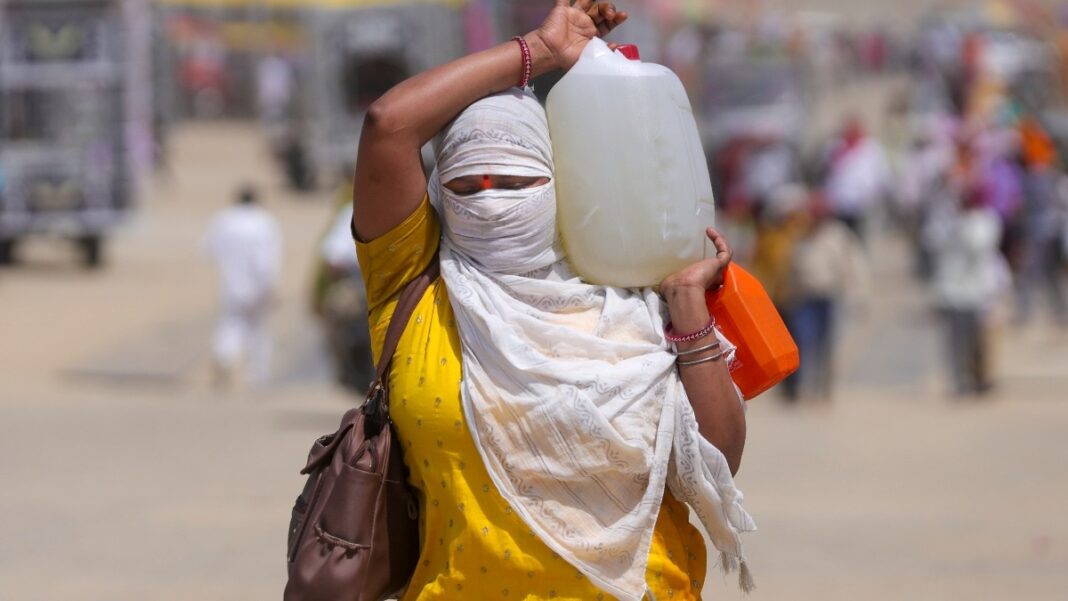
A new global temperature ranking of the hottest cities in the world has put the spotlight on several cities in India.
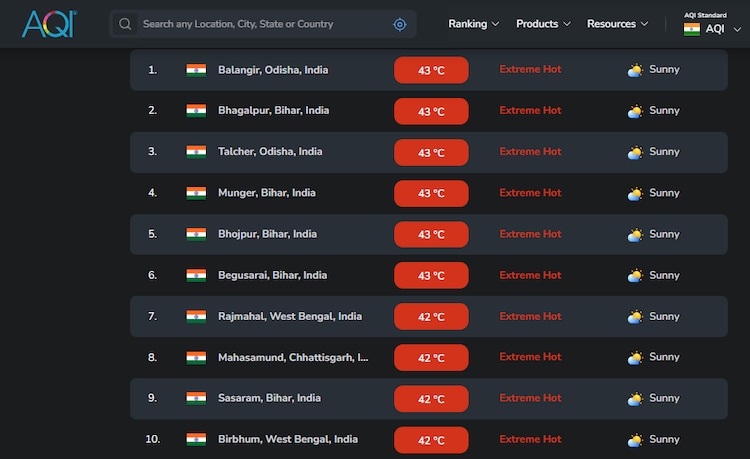
But look closer and a worrying pattern emerges. Most of the hottest cities that make it to the top 20 are situated on India’s eastern belt, mostly in Bihar, West Bengal, and parts of Uttar Pradesh.
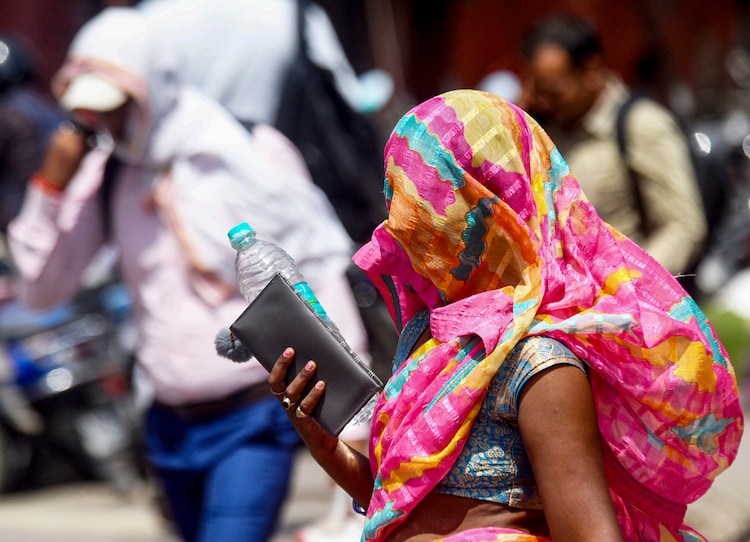
The data from AQI.in shows cities such as Bhagalpur, Begusarai, and Asansol touching extreme highs of around 43–44C, placing them among the top 10 hottest globally at 11:52 am, on Wednesday, April 22.
This concentration is not random but reflects a mix of geography, seasonal weather patterns, and human activity that makes these regions especially vulnerable to extreme heat.
WHY ARE THESE REGIONS SO HOT?
India is currently in the grip of a strong pre-monsoon heatwave, a period between March and June when temperatures typically peak. A heatwave is officially declared when temperatures cross 40C, and many cities in eastern India have gone well beyond that mark.
What makes this episode unusual is the clustering effect.
Instead of isolated hotspots, entire regions, especially Bihar and neighbouring states like West Bengal, are heating up together. Several cities in Bihar alone have repeatedly featured in the top rankings, indicating a widespread regional phenomenon rather than local anomalies.
Clear skies, strong sunlight, and dry winds are further intensifying the heat, allowing temperatures to rise quickly during the day without much cooling.
The role of geography is significant in making these regions suffer.
Bihar, eastern Uttar Pradesh, and West Bengal lie in the Indo-Gangetic plains, a vast flat region with low elevation and high exposure to sunlight. Bihar, for instance, has a humid subtropical climate with long, hot summers lasting from March to June.
During this period, hot, dry winds known as “loo” sweep across the plains, rapidly increasing temperatures.
Another key factor is timing.
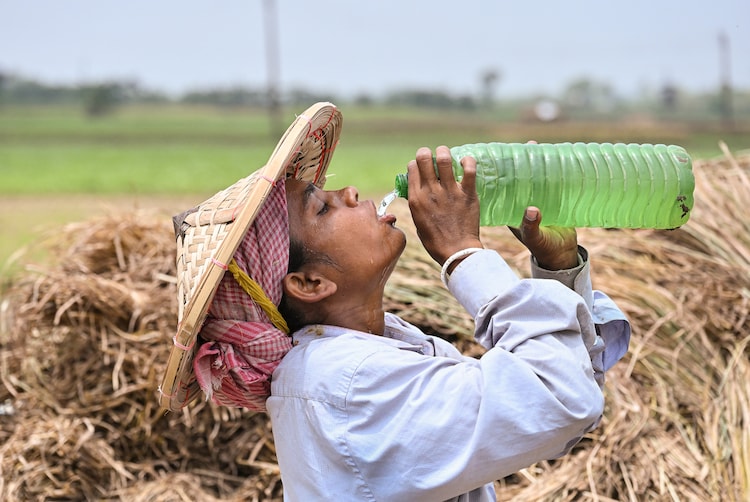
These regions heat up before the monsoon arrives. With little cloud cover and no rainfall to cool the land, the ground absorbs and retains heat, pushing temperatures higher day after day.
Beyond natural causes, human activity is making things worse. Rapid urbanisation has led to the urban heat island effect, where cities become hotter than surrounding rural areas due to concrete buildings, roads, and reduced greenery.

Deforestation, shrinking water bodies, and changing land use also reduce natural cooling. At the same time, climate change is increasing the frequency and intensity of heatwaves across India, making such extreme events more common.
Unless urban planning and climate adaptation improve, eastern India is expected to continue its domination of global heat rankings in the years ahead.
WHY ARE DELHI AND RAJASTHAN NOT THE HOTTEST?
Despite their reputation for extreme summers, regions like Delhi and Rajasthan are not topping global heat charts at this stage.
One key reason is seasonal timing.
Northwestern India typically reaches its peak temperatures later, around May and June, whereas eastern regions heat up earlier in the pre-monsoon cycle.
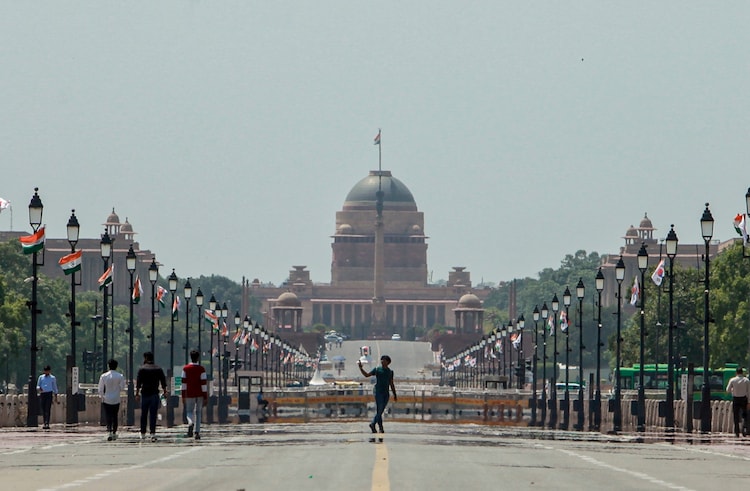
Additionally, shifting wind patterns and occasional western disturbances can bring brief relief through cloud cover or dust storms.
While proximity to the Thar Desert drives intense heat, these moderating influences can temporarily prevent temperatures from surpassing those in eastern India during April. And that’s all that is stopping these regions from climbing the rankings of the hottest cities and states. At least for now.