
Every summer, somewhere between May and June, India holds its breath.
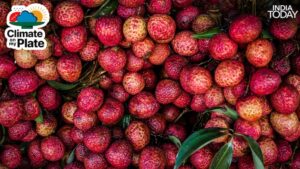
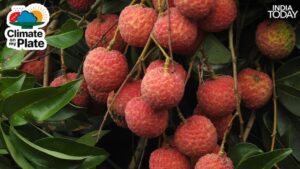
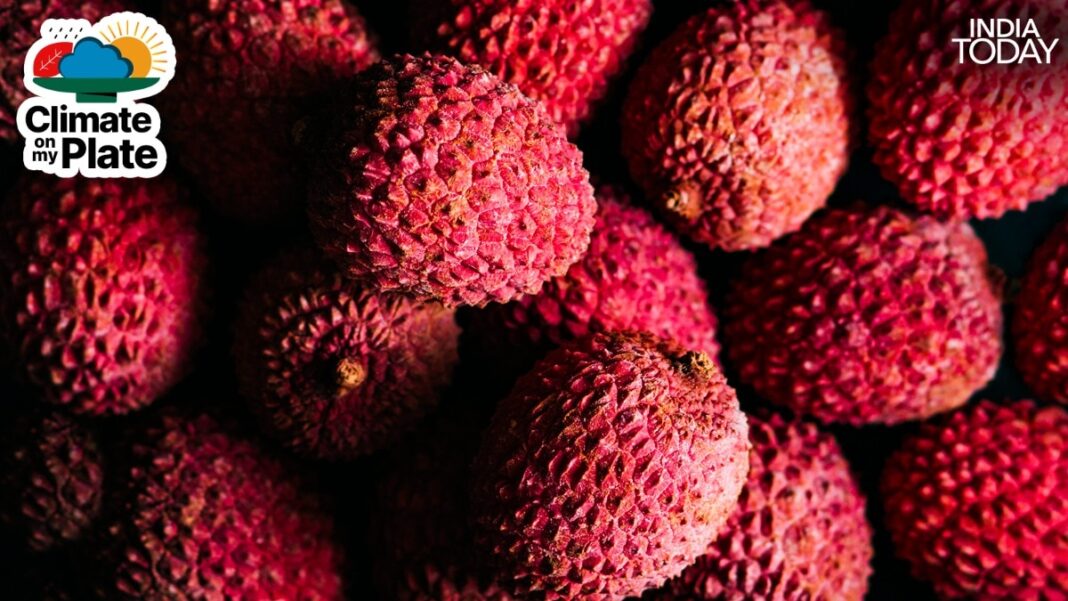
The litchi season is coming. And with it, the quiet hope that the red, jewelled fruit will arrive sweet, plump, and abundant on market shelves.
This year, that hope is wearing thin.
Bihar is the heartland of Indian litchi. The state accounts for nearly 74 per cent of the country’s total production, with Muzaffarpur alone contributing close to 40 per cent of that share.
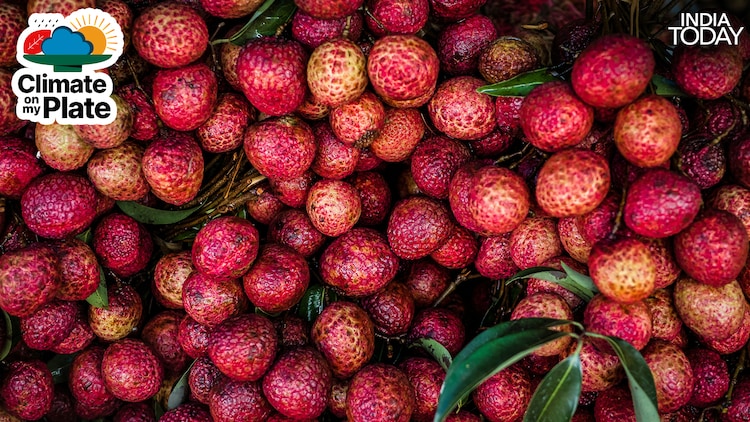
The Shahi litchi, Muzaffarpur’s crown jewel, earned a Geographical Indication (GI) tag in 2018, a formal recognition of its unique character. This is a sign used on agricultural products or handicraft that have a specific geographical origin.
But that character is quietly changing, and the climate crisis is the reason.
This is the latest story in Climate on My Plate, India Today Science’s series on how the climate crisis is reshaping the everyday things you eat, drink, buy and own.
This week, it is the litchi you reach for every summer.
LITCHI ONE OF THE MOST CLIMATE-SENSITIVE FRUITS IN THE WORLD?
Litchi is not a forgiving crop. It requires a very specific set of conditions to flower, fruit, and ripen properly.
According to research conducted at the ICAR-National Research Centre on Litchi in Muzaffarpur, the ideal temperature for fruit development in the critical second half of April is between 30 and 35 degrees Celsius.
Go above 38 degrees and the fruit begins to suffer. The skin blackens, the pulp dries, and the fruit drops from the tree before it ever matures. This is precisely what has been happening with increasing frequency.
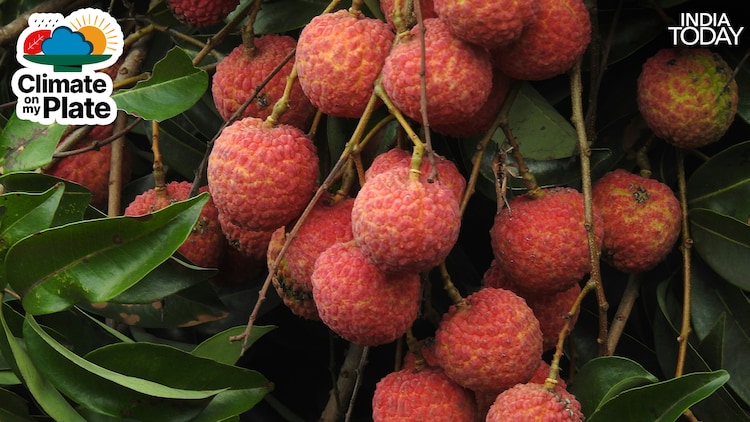
Litchi flowering also depends on a period of winter cold.
The tree needs a cool, dry winter to initiate flower bud differentiation, the process by which the tree switches from growing leaves to producing flowers.
A study published in the journal Climate Services found that the number of cool days during flowering is the single strongest predictor of litchi yield.
As winters warm and cool days shrink, that trigger weakens, and flowering suffers.
THE PRE-MONSOON WINDOW IS BECOMING UNPREDICTABLE
Litchi’s most vulnerable period is April and May, when the fruit is setting and swelling.
What it needs during this window is warmth without extremes, low humidity, and dry westerly winds that are gentle rather than scorching.
What it is getting instead is something far less cooperative.
In recent years, heatwave-like conditions combined with hot westerly winds have caused 40 to 50 per cent fruit drop in Muzaffarpur orchards, according to farmers and scientists cited by Down to Earth.
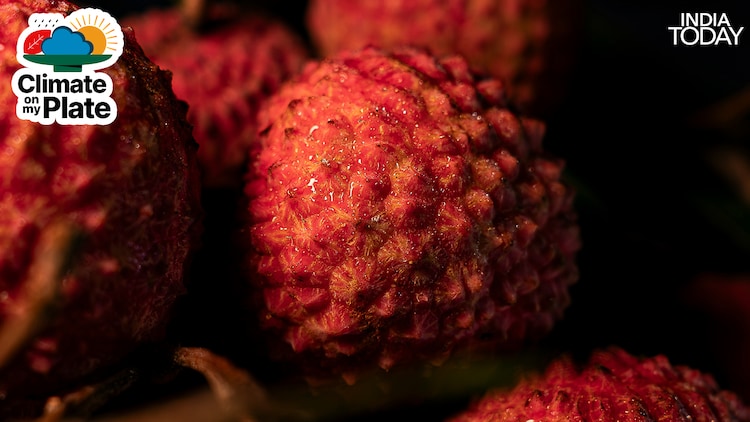
The fruit cannot tolerate the heat. It simply falls. The 2026 pre-monsoon season has made things worse.
According to an analysis of India’s Interactive Atlas on Weather Disasters, in just the first 38 days of the pre-monsoon period this year, unseasonal rains and hailstorms were reported on 29 days across at least 24 states.
Bihar was among the hardest hit, with approximately 45,000 hectares of cropped area affected.
Unseasonal rain during flowering disrupts pollination, the process by which pollen travels from flower to flower to produce fruit. Without successful pollination, there is no fruit.
WHAT THIS MEANS FOR YOUR LITCHI THIS SUMMER
A 2026 study published in the New Zealand Journal of Crop and Horticultural Science confirmed what Bihar’s farmers have known for years.
Climate change interferes with the genes that regulate litchi flowering, disrupts the hormones essential for fruit retention, and compromises the three vegetative flushes, which are bursts of new leaf and shoot growth that litchi trees must complete in sequence before they can fruit.
When any one flush is disrupted by temperature or rainfall extremes, the whole cycle fails.
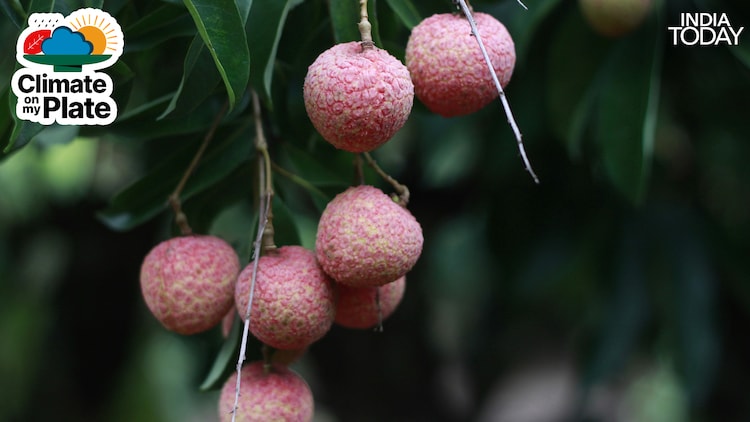
The result is smaller fruit, less sugar, reduced anthocyanin content, which is the pigment that gives litchi its vivid red skin, and thinner pulp.
The litchi may arrive on your plate this summer. But it may not taste the way you remember.
Some things cannot be preserved in cold storage. The litchi season is one of them.
#ClimateOnMyPlate