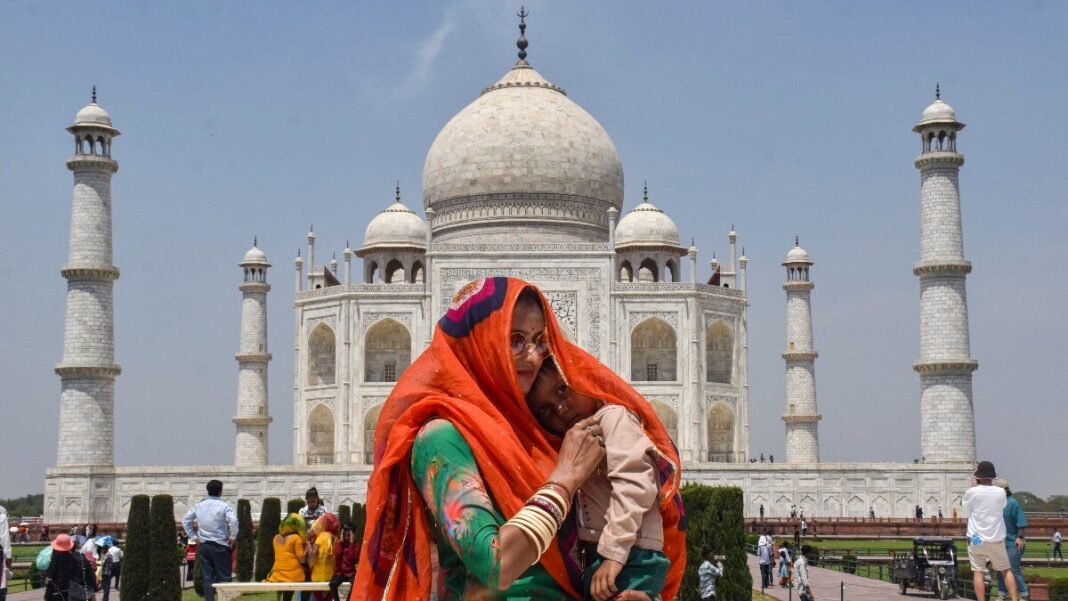
Large parts of North India are set to experience dry and intensely hot weather on April 21, with forecasters warning of possible heatwave conditions across several states, including Delhi, Punjab, Rajasthan and Uttar Pradesh.
According to the latest weather assessment, no rainfall or snowfall is expected across the Himalayan states of Jammu and Kashmir, Himachal Pradesh and Uttarakhand over the next 24 hours.
The plains, covering Punjab, Haryana, Chandigarh, Delhi and Uttar Pradesh, will also remain dry, with temperatures expected to surge significantly.
Devendra Tripathi, founder of Mausam Tak, predicts a strong likelihood of heatwave conditions, defined by temperatures crossing the 40°C mark in many regions. Such conditions are expected to prevail across Punjab, Uttar Pradesh, Rajasthan and the national capital, increasing the risk of heat-related stress for residents.
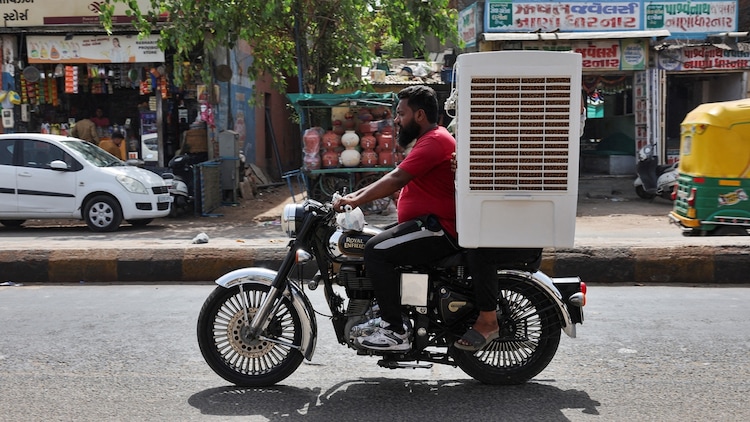
Further west and central regions, including Gujarat and Madhya Pradesh, are also likely to witness predominantly dry and hot weather, though some variation is expected in southern parts of central India.
“A diagonal weather pattern stretching roughly from Rewa in Madhya Pradesh to Mumbai suggests that areas south of this line could see cloud formation and isolated pre-monsoon activity,” Devendra Tripathi added.
Parts of southeast and central Madhya Pradesh, Maharashtra, Chhattisgarh and Odisha may experience light rainfall, thunderstorms and occasional dust storms, typical of early pre-monsoon conditions.
In southern India, coastal Andhra Pradesh, coastal Karnataka and Kerala are expected to receive scattered rainfall, particularly along the coast, driven by seasonal moisture and atmospheric instability.
Eastern India may also see limited activity, with Gangetic West Bengal and southern Jharkhand likely to experience brief spells of pre-monsoon showers. However, Bihar and northern Jharkhand are expected to remain largely hot and dry.
The northeastern states, including Arunachal Pradesh, Assam and Nagaland, are forecast to receive more active weather, with moderate to heavy rainfall at isolated locations. These conditions could lead to short-term disruptions to daily life in some areas.
Overall, the weather pattern highlights a sharp north-south contrast, with extreme heat dominating northern and western India, while southern and northeastern regions begin to see early signs of pre-monsoon activity.
Authorities are advising people in heatwave-prone regions to take precautions, stay hydrated and avoid prolonged exposure to the sun during peak hours.