
Isro averted multiple collisions: Nisar, Chandrayaan-2 faced close calls in space

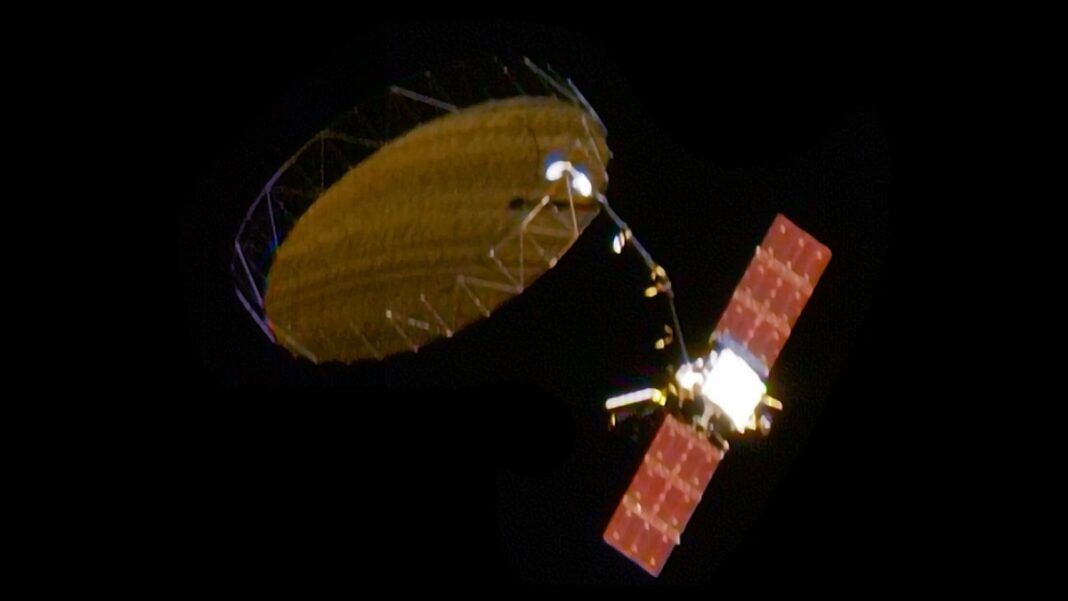
In a major demonstration of growing space traffic management capabilities, Indian Space Research Organisation has revealed that it carried out 18 collision avoidance manoeuvres (CAMs) across its satellite fleet, including critical interventions involving NISAR and Chandrayaan-2.

The details were shared in Isro’s latest Space Situational Awareness (SSA) report.

The agency analysed over 1,50,000 conjunction alerts issued by the Combined Space Operations Center under USSPACECOM for its Earth-orbiting satellites. Using more precise orbital data from operational flight dynamics, Isro identified credible threats and acted accordingly.
Nisar

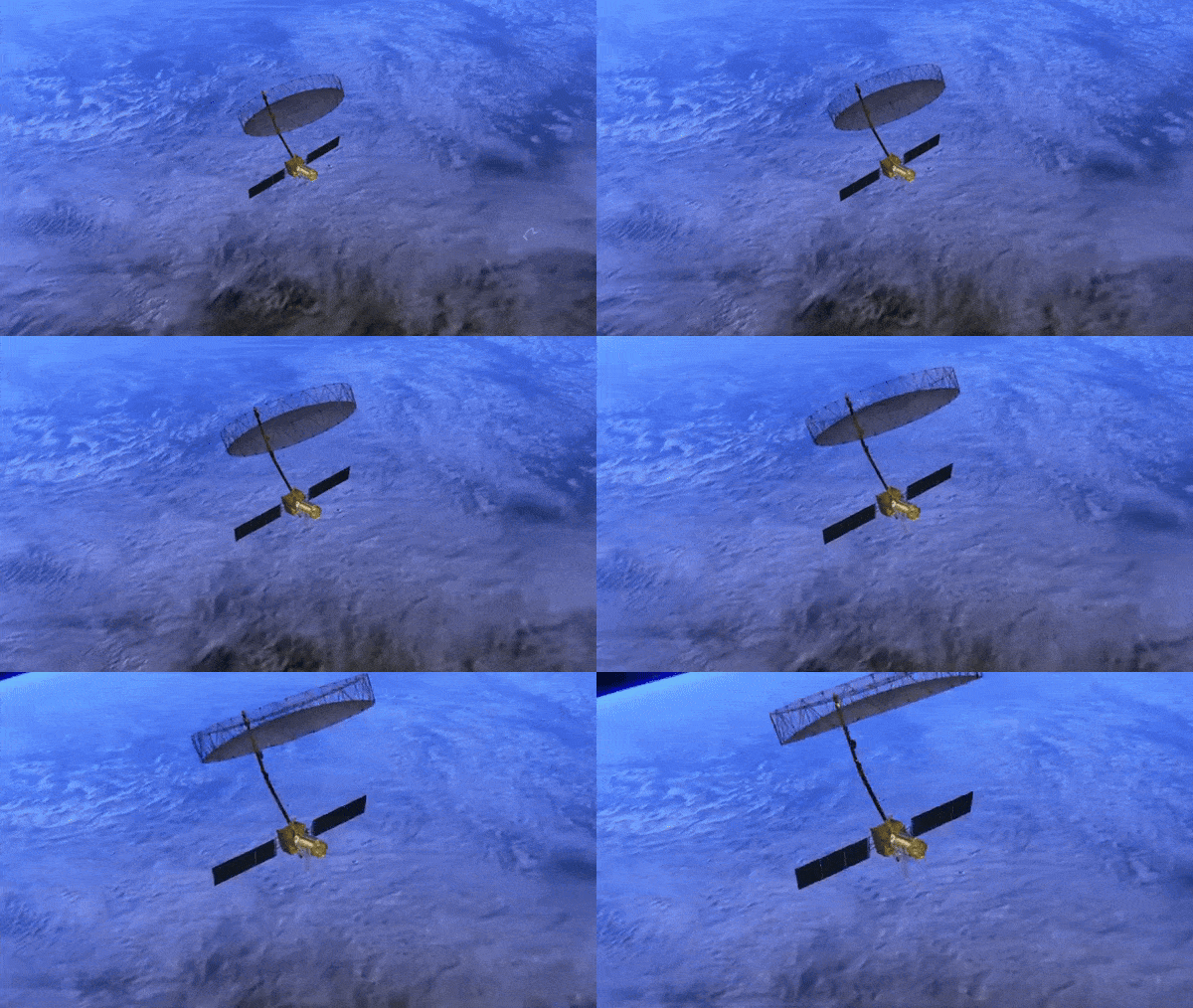
Out of the total manoeuvres, 14 were carried out in Low Earth Orbit (LEO), including one involving NISAR, classified by Nasa as a “Risk Mitigation Manoeuvre.”

Four manoeuvres were executed in the Geostationary Orbit (GEO) regime. Isro highlighted that, wherever possible, collision avoidance actions were integrated into routine orbit maintenance manoeuvres to minimise fuel usage and operational disruptions.

Beyond Earth orbit, Isro also addressed conjunction risks in deep space.

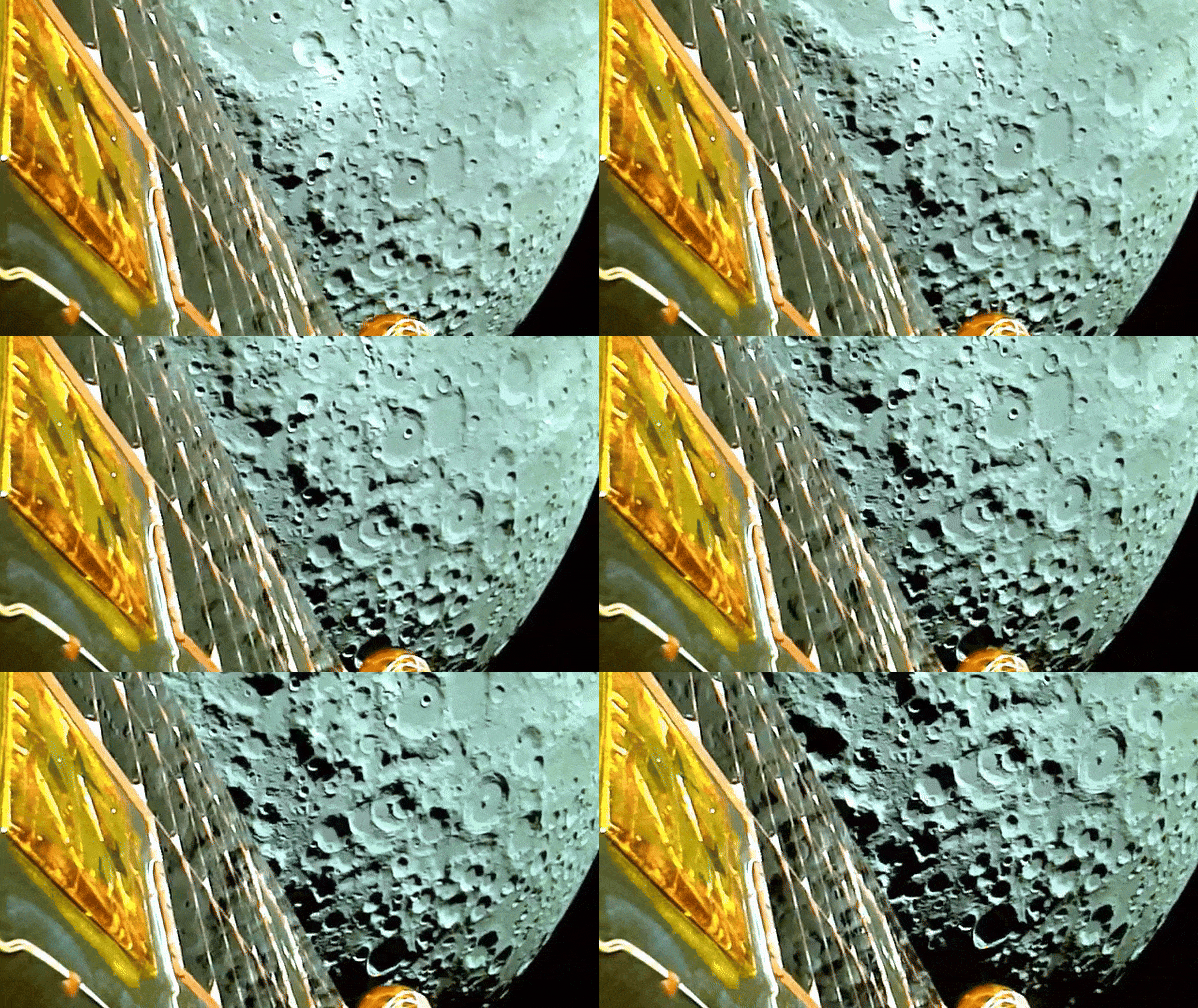
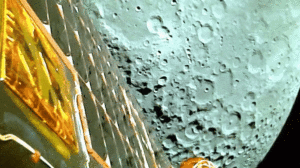
The Chandrayaan-2 orbiter required two specific adjustments to its manoeuvre plans in 2025, on January 1 and July 24, due to potential close approaches with Nasa’s Lunar Reconnaissance Orbiter.

In total, 16 orbit manoeuvres were executed for Chandrayaan-2, with risk mitigation strategies applied similarly to Earth-orbiting missions.

The report points to the increasing complexity of space operations. Isro revised as many as 82 manoeuvre plans for LEO satellites to prevent post-manoeuvre close approaches with other objects.

In GEO, two manoeuvre plans were similarly adjusted. These proactive revisions ensure that actions taken to avoid one risk do not inadvertently create another.
Chandrayaan

Coordination played a key role in ensuring mission safety. For Chandrayaan-2, Isro worked closely with Nasa, which facilitated communication with private lunar operators such as Firefly Aerospace, Intuitive Machines, and iSpace during their missions in lunar orbit.

The SSA report also highlighted Isro’s continued efforts in responsible space operations. At the end of its mission, the IRNSS-1D satellite was safely moved to a graveyard orbit about 600 km above the geostationary belt and passivated, marking the first disposal of an Indian satellite from an inclined geosynchronous orbit.

Meanwhile, multiple Indian space objects re-entered Earth’s atmosphere in 2025 due to natural decay, including TES and POEM-4. Two stages from the SSLV-D3 mission and debris from PSLV-C3 also re-entered, bringing the total number of Indian objects deorbited during the year to 12.

With satellite congestion rising rapidly, Isro’s latest report highlights not just operational vigilance but also its evolving capability to manage space traffic safely across Earth orbit and beyond.
Latest

Western disturbance to hit India, but plains to keep getting hot on Friday

Despite the incoming system, temperatures across north and central India are forecast to remain high. Meteorologists warn that the limited rainfall will not be

Send Grace and Rocky: Young stars like our Sun seen dimming outside Solar System

Planets orbiting such stars may have a better chance of retaining their atmospheres and developing conditions suitable for life.

Isro confirms 36 Indian rocket parts fell on Earth after launch in 2025

India is making considerable progress in ensuring that its satellites are not adding to the increasing levels of space debris. Instead, these satellites entered

Nasa flies close to Sun, uncovers new clue to how solar storms are born

The Parker Solar Probe has uncovered a surprising clue about how solar storms form, revealing new particle behaviour that could improve space weather prediction

Desert planets beyond our Solar System may be far less likely to support life

Scientists estimate that there are billions of planets orbiting stars outside our solar system, with more than 6,000 confirmed exoplanets discovered so far.

Topics

Lebanon ceasefire: Who said what? Bibi vows troops will stay; Trump hails talks ‘very exciting’ – How Iran reacts?

Iranian Parliament speaker Ghalibaf asserts that Lebanon must be included in any peace agreement between Iran and the U.S., emphasizing its importance for regio

‘Targeting of commercial shipping unacceptable,’ India calls restoration of safe navigation in Strait of Hormuz at UN

India's Ambassador Harish P raised concerns at the UN over threats to commercial shipping in the Strait of Hormuz, urging for safe navigation and calling for de

All-round Arshdeep Singh: Viral reels spiking Punjab Kings’ fanbase, says pacer

Arshdeep Singh took some credit for the spike in Punjab Kings' fan base, saying that his social media game is one of the reasons behind the increase in follower

Pope Leo after clash with Trump over Iran war, says world ‘ravaged by a handful of tyrants’

The remarks come as the pontiff continues an 11-day visit to Africa, using his platform to advocate for peace and international cooperation.

New York loses nearly $74 million for not revoking 33,000 illegal licenses for immigrant truckers

New York loses nearly $74 million for not revoking 33,000 illegal licenses for immigrant truckers

Jet fuel shortage: Why Iran war could disrupt flights in Europe within weeks

Europe could run out of jet fuel within six weeks due to Iran war disruptions, risking flight cancellations, rising energy prices and broader economic fallout,

Virginia’s ex-Lieutenant Governor kills wife then himself amid divorce proceedings

A tragic end to a politically and personally tumultuous life

Vinod Kambli is fine: Wife addresses health speculation

Former cricketer Vinod Kambli’s wife Andrea Hewitt has dismissed speculation around his health, stating that the former India batter is “fine”. Her statem
spot_img

Related Articles

Popular Categories

spot_imgspot_img

