
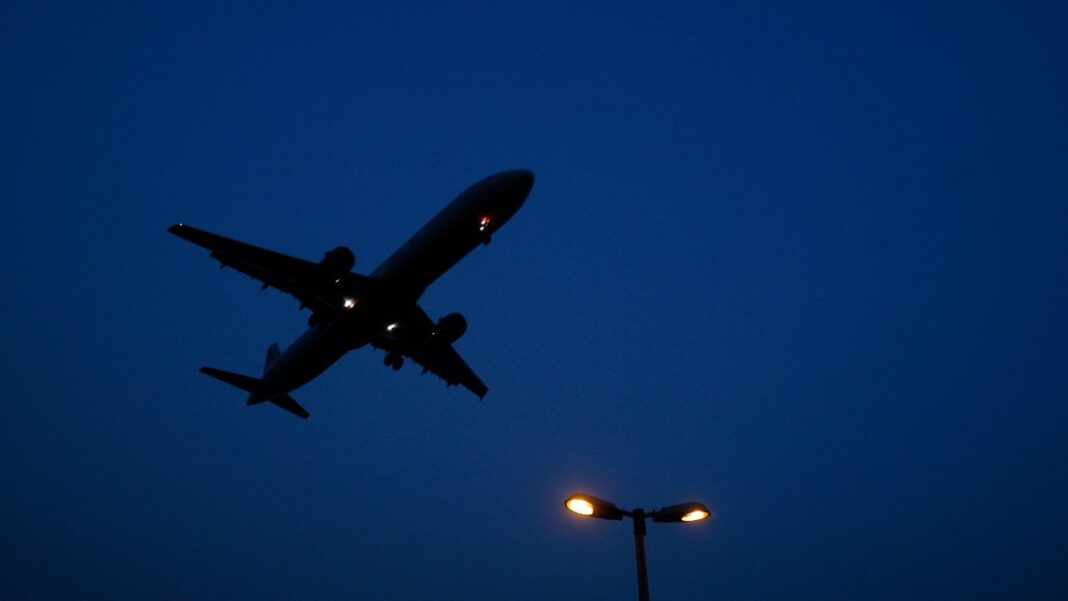
Europe could run dangerously low on jet fuel within weeks, raising the risk of flight cancellations, as the ongoing Iran war continues to choke global energy supplies, the head of the International Energy Agency has warned.
Fatih Birol, Executive Director of the IEA, said the continent has maybe six weeks or so of jet fuel left, painting a stark picture of what lies ahead if supply routes remain blocked.
“I can tell you soon we will hear the news that some of the flights from city A to city B might be cancelled as a result of lack of jet fuel,” Birol told the Associated Press.
His warning comes as the Strait of Hormuz – a critical artery for global oil flows – remains severely disrupted due to the conflict involving Iran, triggering what he described as an unprecedented global energy crisis.
‘LARGEST ENERGY CRISIS WE HAVE EVER FACED’
Birol did not mince words about the scale of the disruption, calling it the largest energy crisis we have ever faced.
Nearly 20% of the world’s traded oil passes through the Strait of Hormuz during normal times. With that flow now restricted, the impact is rippling across fuel markets, pushing up prices and tightening supply chains.
“In Europe, we have maybe six weeks or so (of) jet fuel left,” he said, warning that failure to reopen the strait could quickly escalate into visible disruptions for travellers.
GLOBAL ECONOMIC SHOCK LOOMING
The fallout is not limited to aviation. Birol warned of broader economic consequences, including rising fuel prices and slowing growth worldwide.
“Higher petrol prices, higher gas prices, high electricity prices,” he said, outlining the immediate effects. He added that if the crisis drags on, countries – particularly weaker economies – could face slow growth or even recession.
While wealthier nations may have buffers, Birol stressed that no country will escape the fallout. “No country, no country is immune to this crisis,” he said.
According to the IEA chief, the hardest hit will likely be developing nations across Asia, Africa and Latin America, where energy shocks translate quickly into economic distress.
“The countries who will suffer the most will not be those whose voices are heard a lot,” he said, pointing to poorer economies as the most vulnerable.
Even if the conflict ends soon, recovery will not be immediate. Birol said more than 80 key energy assets in the region have been damaged, with over a third severely impacted.
“It will take gradually, gradually, up to two years to come back where we were before the war,” he said.
A CRISIS RESHAPING GLOBAL ENERGY
Birol warned the disruption could have long-term consequences for global energy systems, potentially accelerating shifts toward alternative sources such as nuclear power.
But for now, the immediate concern remains stark: without a reopening of the Strait of Hormuz, Europe — and much of the world — could soon feel the crisis in everyday life, starting with grounded flights.
“Everybody is going to suffer,” Birol said.


