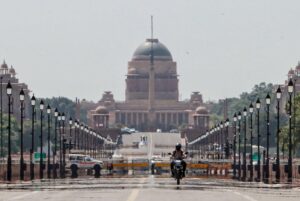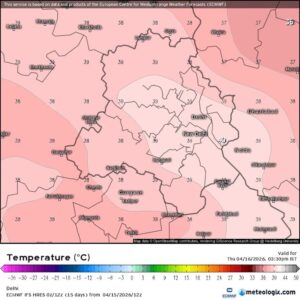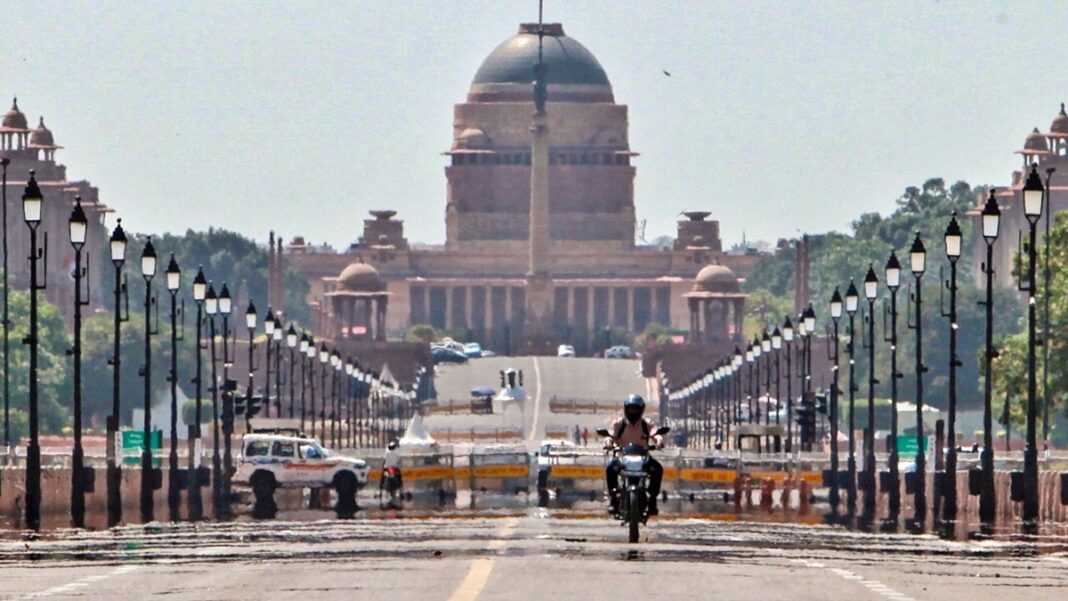
Delhi is experiencing the first strong surge of summer heat this season with temperatures climbing significantly in some parts of the national capital.
According to the India Meteorological Department (IMD), daytime temperatures in the national capital are hovering between 39C and 41C, with several areas recording maximums above 40C.
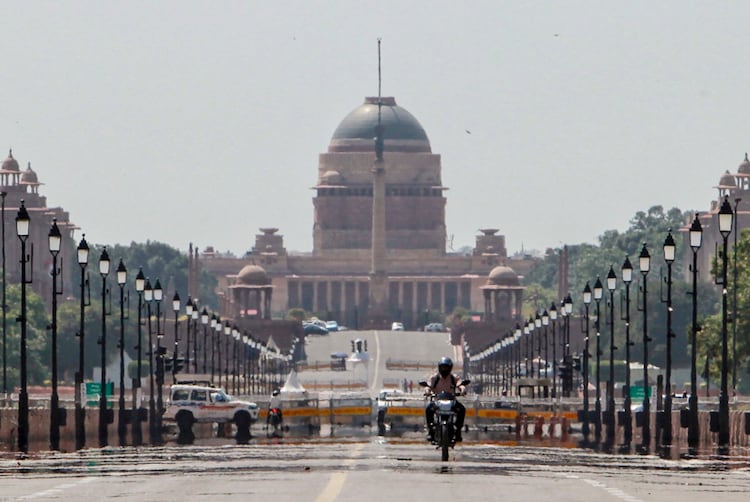
The Safdarjung observatory, the city’s main weather station, has been nearing the 40C mark, marking an early and noticeable rise in heat. This comes after a relatively milder start to April, when occasional rain and clouds kept temperatures in check.
Now, with clear skies and dry northwesterly winds, the Sun is heating the ground rapidly, pushing mercury levels higher than usual for mid-April.
The Safdarjung observatory has recorded the scorching heat in Delhi in the past. This includes when, in 2024, Delhi faced the highest maximum temperature of a whopping 46.8C, the highest recorded at Safdurjang in 79 years.
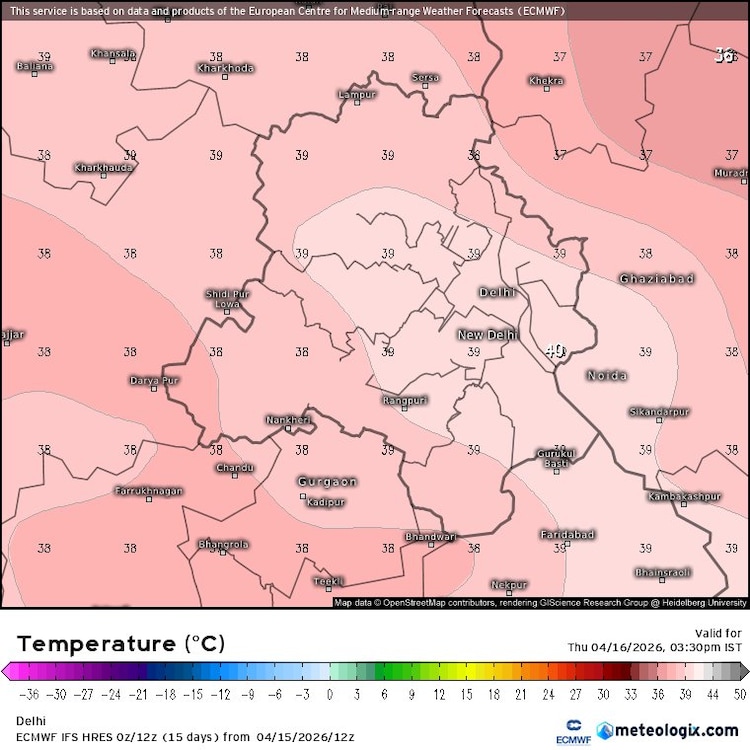
HOTTER DAYS AHEAD
The IMD has stated that maximum temperatures are likely to rise by 2–3C over the next three days, followed by a slight fall of 1–2C. Even so, temperatures are expected to remain 2–4C above normal during this period.
Minimum temperatures, which indicate how warm the nights feel, have also been climbing, adding to the overall discomfort.
As of April 16, no official heatwave has been declared yet, but the IMD is closely monitoring the situation. A heatwave in the plains is typically declared when the maximum temperature reaches 40C or more and stays significantly above normal for several days.
The current spell reflects the broader seasonal pattern predicted earlier by the IMD, which had warned of above-normal heatwave days across parts of northwest, central, east, and southeast peninsular India from April to June.
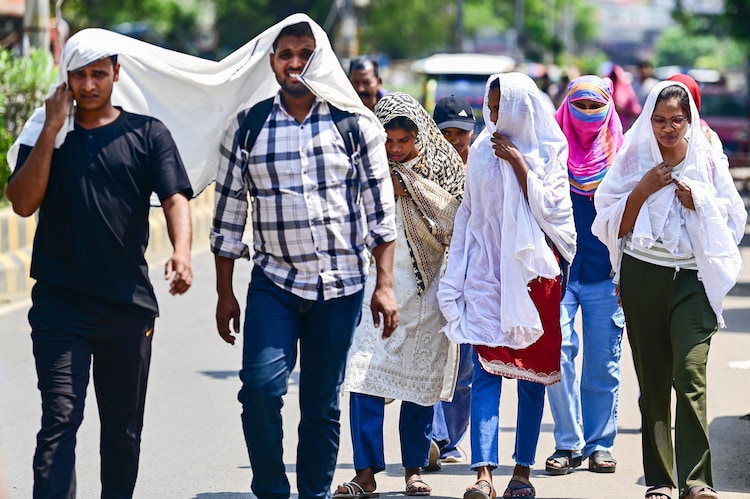
With the heat intensifying, simple precautions can help protect against discomfort and heat-related issues.
Drink plenty of water throughout the day, even if you do not feel thirsty. Try to avoid going out between noon and 4 pm when the sun is strongest. Wear loose, light-coloured cotton clothes and use umbrellas, caps, or scarves for shade.
Vulnerable groups such as the elderly, young children, and outdoor workers should take frequent breaks in cool areas. Meanwhile, farmers and daily-wage labourers may need to reschedule heavy tasks to early morning or evening hours.
This early spike to 40C levels serves as a timely reminder that summer 2026 is arriving forcefully. Following IMD guidance and staying prepared will help residents manage the rising temperatures comfortably in the days ahead.