A potentially powerful El Nino event is raising global concern, with early forecasts suggesting it could rival, or even surpass, the devastating 1877-78 episode, one of the deadliest climate events in recorded history.
That historic El Nino triggered extreme heatwaves, prolonged drought, crop failures and famine across large parts of the world, contributing to the deaths of millions, estimated at nearly 4% of the global population at the time.
Now, climate models for 2026 are flashing worrying signals, prompting scientists to closely track every update.
WHAT IS HAPPENING?
Researchers studying the Pacific Ocean say recent model runs show rapidly rising sea surface temperatures, a key indicator of El Nino development.
The intensity of these projections has left some scientists deeply concerned as they analyse the data. If current trends continue, a mega or super El Nino could take shape, significantly disrupting global weather systems.
Such an event, combined with ongoing climate change, could push global temperatures to new records by 2027.
WHAT IS EL NINO?
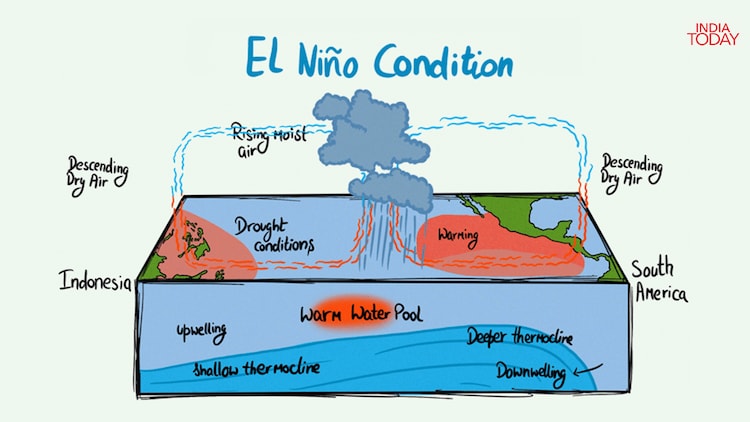
El Nino is part of the El Nino-Southern Oscillation (ENSO) cycle and occurs when the central and eastern Pacific Ocean becomes unusually warm.
This warming alters atmospheric circulation patterns, weakening monsoon systems, intensifying heatwaves, and redistributing rainfall across continents. While it originates in the Pacific, its effects are felt worldwide, often in dramatically uneven ways.
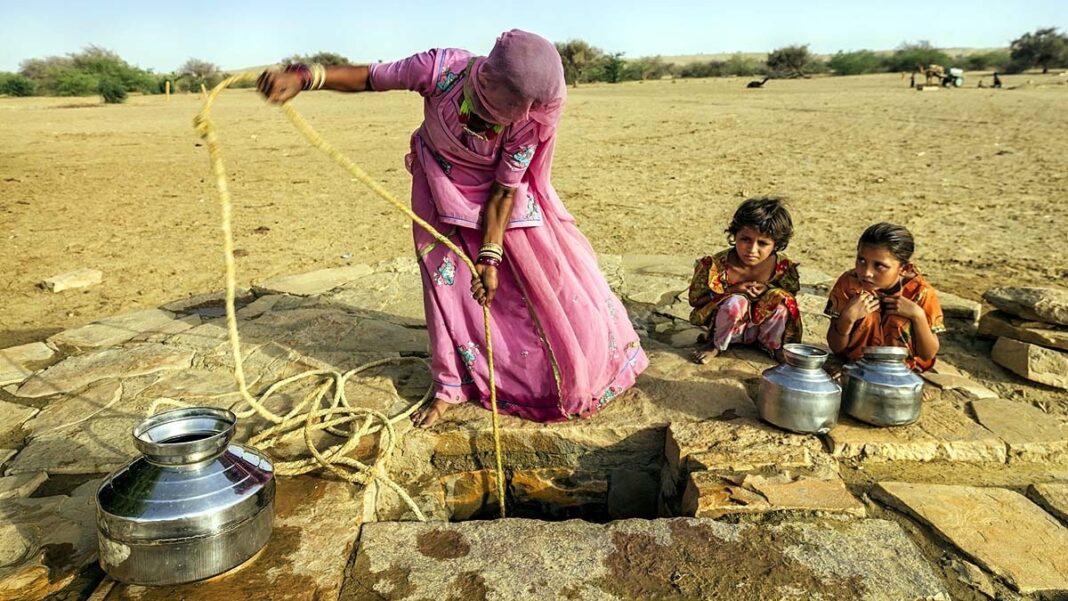
Globally, the impacts of a strong El Nino can be severe. Regions such as India, Australia, southern and central Africa, and the Amazon basin typically face drought, extreme heat, and heightened wildfire risk.
At the same time, parts of the United States, especially the south, may see heavy rainfall and flooding, while broader North America experiences warmer-than-normal conditions. This uneven distribution of impacts makes El Nino one of the most influential drivers of global climate variability.
SHOULD INDIA BE WORRIED?
For India, the risks are particularly significant. The country’s agriculture, water resources, and overall economy are heavily dependent on the monsoon, which El Nino events are known to weaken.
A strong event in 2026 could lead to intense and prolonged heatwaves across north, central, and eastern India, coupled with below-normal rainfall during the monsoon season.
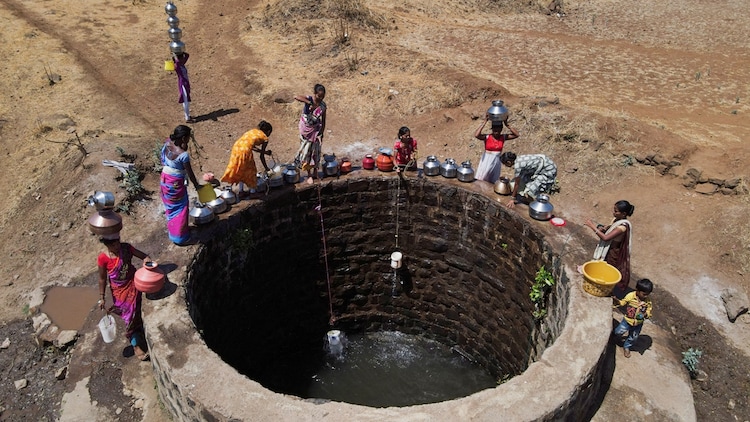
This combination can strain water supplies, reduce crop yields, and drive up food prices. Urban areas may also face heightened health risks due to extreme heat and humidity.
Adding to the concern is the role of climate change, which is already raising baseline temperatures. This means that any El Nino-driven heat will be amplified, making extremes more severe than in the past.
Scientists warn that what was once considered rare is becoming more frequent and more intense.
While it is too early to definitively label the upcoming event as a “mega El Nino,” the signals are strong enough to warrant serious attention. Experts stress the need for preparedness, including stronger heat action plans, improved water management, and better support systems for farmers.
The lesson from 1877 remains clear: when ocean temperatures shift dramatically, the consequences can ripple across the globe.