For most of the last century, powering a growing economy meant burning more coal.
India, one of the world’s largest and fastest-growing electricity consumers, was no exception. But 2025 may have marked the beginning of the end of that era, both for India and for the world.
A new report by Ember, a global energy research organisation, found that clean power generation grew 887 terawatt hours last year, exceeding overall global electricity demand growth of 849 terawatt hours.

In simpler words, for the first time in history, all the new electricity the world needed was met entirely by clean energy with no extra coal required.
HOW DID INDIA PUSH RENEWABLE ENERGY?
India’s role in this shift is striking.
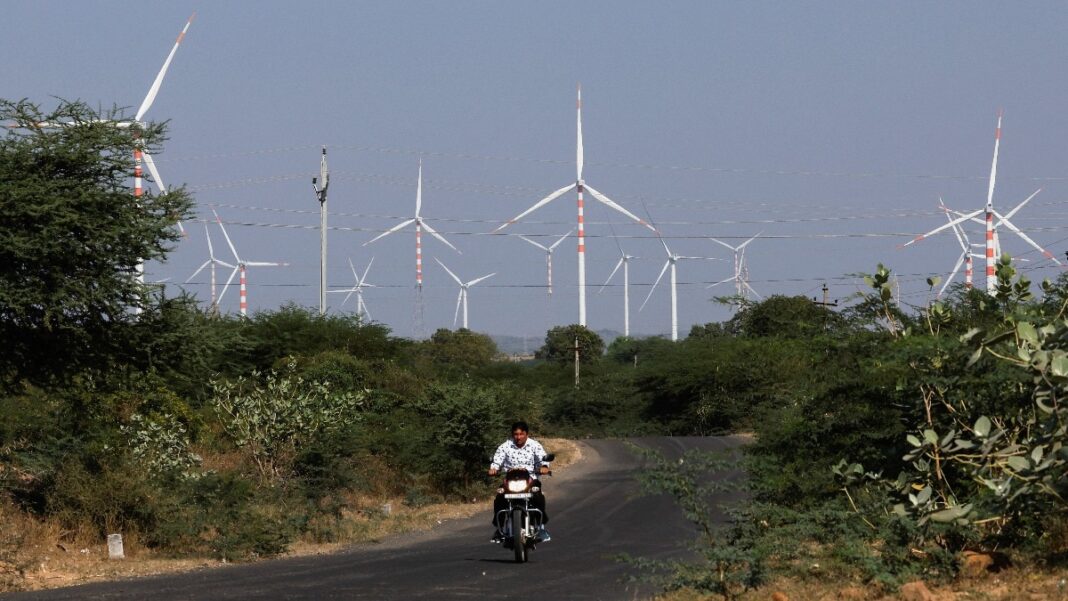
In India, a record increase in both solar and wind generation, combined with strong hydro output and lower-than-average demand growth, led to a decline in fossil generation of 52 TWh.
That came after four straight years of rising fossil fuel use following the COVID-19 rebound, making 2025 a genuine turning point.
India emerged as the world’s fourth-largest generator of clean electricity in 2025, overtaking France and Canada.
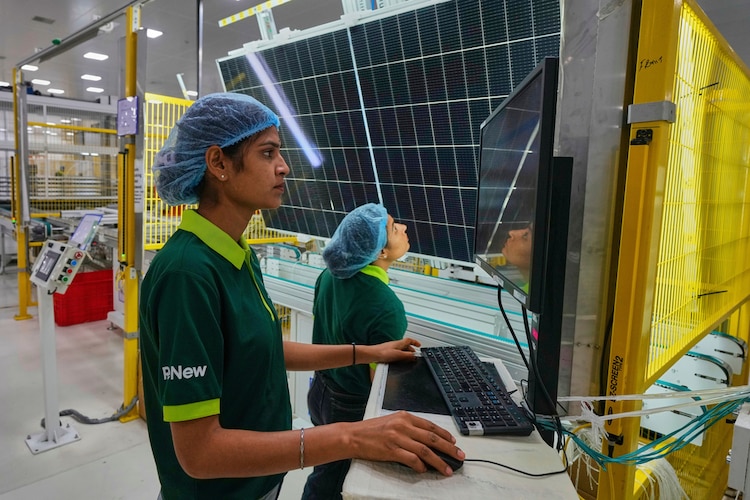
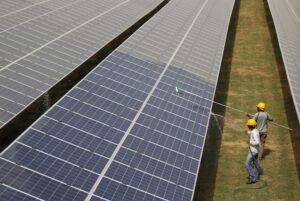
Solar alone now supplies nearly 10% of India’s electricity needs. Furthermore, India’s renewable capacity additions rose by nearly 60%, the fastest among major markets.
Building upon its renewable progress, India has also set an ambitious goal for itself.
The world’s most populous nation wants to build 500 GW of non-fossil energy capacity by 2030.
Remarkably, India achieved the milestone of 50% of its cumulative electric power installed capacity from non-fossil fuel sources in June 2025, a whole five years ahead of the target.
WHAT THIS MEANS FOR THE WORLD
India and China together drove the global fossil fuel decline.
“We’re coming from a period over the last few decades where new electricity demand growth meant growth in fossil generation,” Nicolas Fulghum, Ember’s lead analyst, told the Associated Press (AP). “We’re now moving into a world where that’s no longer the case.”

Fulghum added: “Milestones like renewables overtaking coal mark an occasion, but they don’t tell us everything about the story in the power sector. The big difference to 10, 15 years ago, where governments were pledging a build out of renewables, is that now those pledges are much more believable.”
Fossil fuels still dominate India’s electricity mix at around 73%, and challenges around grid flexibility and coal plant contracts remain.
But the ambitious trajectory India has decided to take is undeniable, and could prove contagious as the world collectively tries to avert a global crisis.