
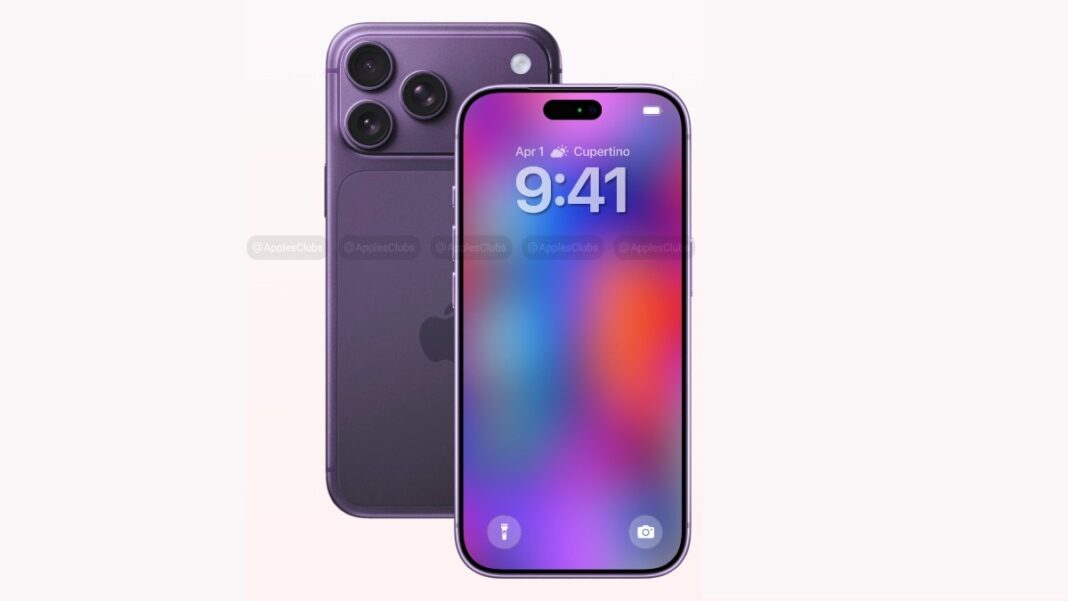
Apple’s future iPhone plans are slowly coming into focus, and early leaks suggest that the camera could once again take centre stage. The iPhone 18 Pro models, expected to arrive later this year, are being tipped to bring two major camera upgrades that could change how users shoot photos on an iPhone. While Apple has not confirmed anything yet, information shared by reliable tipster Digital Chat Station points towards a mix of hardware and usability improvements.
At a time when smartphone cameras are already highly capable, Apple appears to be working on features that go beyond just increasing megapixels. Instead, the company seems focused on giving users more control and improving consistency across different shooting conditions.
Variable aperture could finally arrive on iPhone with 18 Pro models
One of the biggest changes expected this year is the introduction of a variable aperture for the main camera. This would be a first for any iPhone. Until now, Apple has relied on a fixed aperture system, where the lens remains at a constant opening while capturing images.
With a variable aperture, the iPhone 18 Pro could automatically or manually adjust how much light enters the sensor. In darker environments, the lens can open wider to let in more light, helping produce brighter and clearer images. In contrast, in bright conditions, it can reduce the light intake to avoid overexposed shots.
This upgrade is not just about lighting. It could also give users better control over depth of field. That means the ability to adjust how much of the background appears blurred versus sharp. For users who enjoy portrait photography or creative shots, this could make a noticeable difference without needing external tools or apps.
Reports from supply chain analyst Ming-Chi Kuo have also hinted at Apple working on this feature, adding more weight to the possibility that it could arrive with the iPhone 18 Pro lineup.
New sensor could improve overall photo quality
The second major upgrade is expected to come from the camera sensor. Apple is said to be testing a new three-layer stacked image sensor, possibly developed in collaboration with Samsung. While this may sound like a technical change, its real-world impact could be easy to notice.
A stacked sensor allows faster data processing, which helps in reducing shutter lag and improving capture speed. This can be especially useful when taking photos of moving subjects. It also helps in reducing noise in low-light conditions, which often affects image clarity.
Another advantage is better dynamic range, meaning the camera can capture more detail in both bright and dark parts of a scene. This could lead to more balanced photos, especially in challenging lighting situations like sunsets or indoor environments with mixed lighting.
Other camera upgrades are still being tested
Apart from these two key features, Apple is also said to be exploring additional camera upgrades for future iPhones. These include a larger main sensor, improved stabilisation for the ultra-wide camera, and a high-resolution periscope telephoto lens.
For instance, the company is reportedly studying a 200-megapixel periscope zoom camera, but this feature is unlikely to be ready anytime soon. Current expectations suggest it may not arrive before 2028. Similarly, a much larger main sensor could further improve low-light performance, but there is no clear timeline for its introduction.
What this means for users
If these leaks turn out to be accurate, the iPhone 18 Pro could bring noticeable improvements to everyday photography. The combination of a variable aperture and an advanced sensor could help deliver more consistent results across different lighting conditions while also giving users more flexibility in how they capture images.
Rather than focusing only on numbers, Apple appears to be working on features that improve the overall experience of taking photos. While final details will only be clear at launch, the early signs suggest that the iPhone 18 Pro could offer a more refined and capable camera system for users who rely heavily on their smartphones for photography.


