
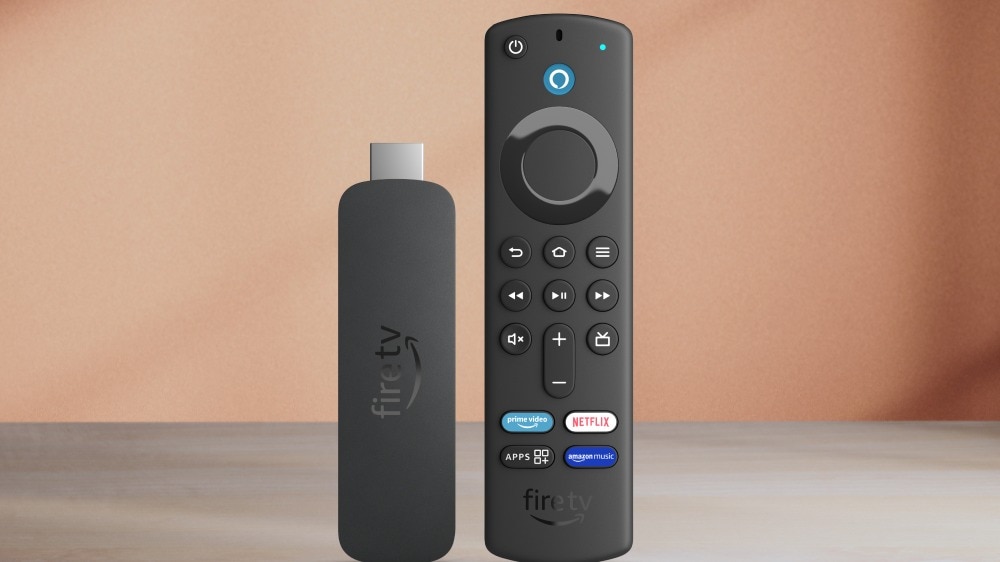
Amazon is apparently shifting its Fire TV ecosystem away from Android. Recently, the company launched Fire TV Stick HD, a setup that now runs using the brand’s in-house Vega OS instead of Android. This marks the second device to adopt the new platform, following its earlier debut on the Fire TV Stick Select.
According to a report by Lowpass, Amazon plans to transition all future Fire TV Stick devices to Vega OS, gradually phasing out Android. This would give the company greater control over its ecosystem by not relying on Google, but it also brings limitations. Users of the Fire TV Stick HD will be limited to a smaller selection of apps and will face restrictions on sideloading, which may impact power users more than the average consumer.
The new Fire TV Stick HD is currently available for pre-order on Amazon. According to a report via Cord Cutters News, some users visiting the product page may see a warning stating that, for enhanced security, the device does not support sideloading or installing apps from unknown sources. This means users will be limited to downloading apps only from the Amazon Appstore.
What is Amazon’s Vega OS?
Amazon rolled out Vega OS on September 30, 2025. It is a Linux-based operating system, which the company developed to replace Android on the brand’s future Fire TV devices. “Our new Echo devices also run on Vega,” said Amazon in a blog post. The OS made its debut alongside the Fire TV Stick 4K in October that year.
The Vega OS is built from the ground up, giving Amazon full control over its over updates, features and user experience, from performance optimisation to app distribution and monetisation. The platform also enables tighter integration across devices like Fire TV and Echo. Although Amazon is currently maintaining both Fire OS and Vega OS, the new platform is expected to gradually take over in the future.
In related news, Amazon earlier this month announced that it will discontinue key Kindle Store features on older Kindle devices, effectively ending support for some of its earliest e-readers, including the Kindle 1st Generation launched in 2007. The change will take effect from May 20, 2026, and will impact Kindle e-readers and Kindle Fire tablets released in 2012 or earlier.


