
Iran has rejected plans for a second round of peace talks with the United States, according to a report by Islamic Republic News Agency. The decision marks a setback for diplomatic efforts aimed at de-escalating tensions as a fragile ceasefire nears its expiry.
Iran rejected taking part in the second round of the talks with the United States.
— IRNA News Agency ☫ (@IrnaEnglish) April 19, 2026
The agency cited multiple reasons for Tehran’s refusal, including what it described as “excessive demands” from Washington, unrealistic expectations, shifting positions, repeated contradictions, and the ongoing naval blockade.
Contradiction with US position
The development comes shortly after US President Donald Trump said a new round of negotiations would take place. “My representatives are going to Islamabad, Pakistan — they will be there tomorrow evening for negotiations,” he said on Truth Social.
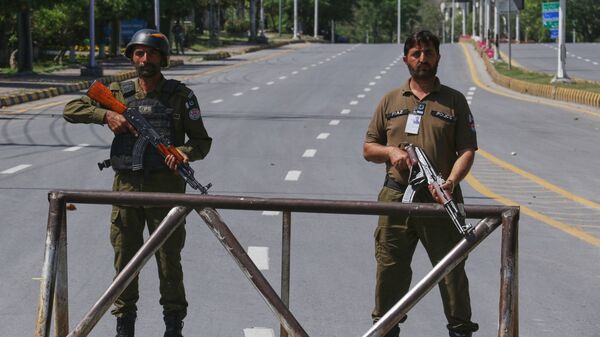
A US delegation, led by Vice President JD Vance, had been expected to travel to Islamabad for the talks.
Iran’s alleged rejection now casts uncertainty over whether the planned discussions will proceed at all.
Rising rhetoric from Washington
Tensions have intensified in recent days, with Trump issuing stark warnings to Tehran. He said the United States could target key infrastructure, including power plants and bridges, if Iran fails to agree to what he described as a “reasonable deal.”
The remarks signal a hardening stance from Washington even as diplomatic channels remain open, underscoring the fragile nature of the current situation.
The two-week ceasefire between the US and Iran is set to expire on Wednesday.
Although the ceasefire has largely held, tensions have risen in recent days after Iran reversed its decision to reopen the Strait of Hormuz, accusing the US naval blockade of violating the truce.
And, Trump accused Iran’s Revolutionary Guard of violating the ceasefire, alleging that forces opened fire on ships transiting the waterway, including a French vessel and a UK-flagged freighter.
The diplomatic standoff comes as a two-week ceasefire agreement between the US and Iran is set to expire on Wednesday.
Ceasefire nearing expiry
The United States and Iran held first direct talks in Islamabad on April 11–12 in an effort to end their conflict, but the discussions ended without a breakthrough. Following the failed first round, Pakistan renewed diplomatic efforts to facilitate another round of negotiations aimed at reaching a possible agreement.
From April 15, Pakistan Prime Minister Shehbaz Sharif visited Saudi Arabia, Qatar and Turkiye, while Chief of Defence Staff Asim Munir spent three days in Iran to build consensus on key issues.


