
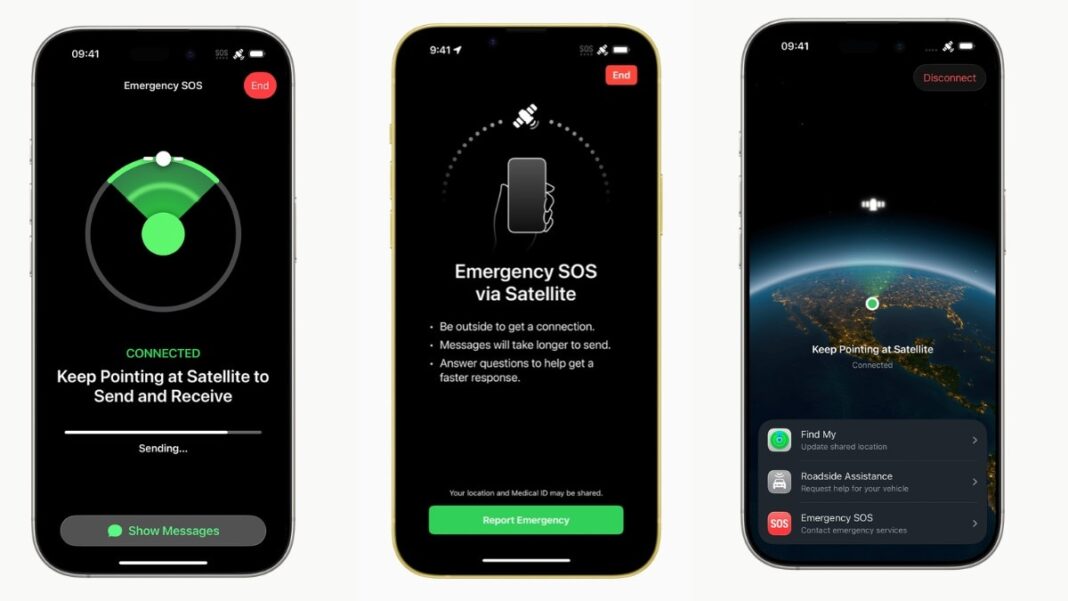
Apple is planning a significant upgrade for future iPhones that could let users share maps and photos without an internet connection. The development comes as Amazon announces its intention to acquire Globalstar, the satellite firm that powers Apple’s existing satellite features on iPhone 14 and newer models, as well as the Apple Watch Ultra 3.
The deal, which is still subject to regulatory approval, is expected to close by 2027. After that, Apple’s satellite features could run on Amazon’s low Earth orbit (LEO) satellite network.
Right now, Apple’s satellite features include Emergency SOS, Find My, Roadside Assistance and Messages. These services work in supported regions even without Wi-Fi or mobile networks, and are currently free to use. With the new agreement, Apple and Amazon are expected to maintain these existing services, ensuring that critical features like emergency messaging continue to work reliably.
There are also growing rumours of expanded satellite capabilities, some of which could arrive with iOS 27. The update is expected to enter beta in June, followed by a wider release in September.
What are the current features and what could change?
Right now, Apple’s satellite features are quite limited and focused mainly on emergencies. Users can send SOS messages, share their location via Find My, request roadside assistance, and send basic texts when there’s no mobile network or Wi-Fi. These features are useful, but they’re restricted by low bandwidth, which means no media, apps or full internet access.
That could soon change. The next set of upgrades being discussed includes 5G connectivity via satellite — likely for future Pro models — along with Apple Maps support, the ability to send photos via Messages, and even access for third-party apps to use satellite connectivity. Apple is also said to be working on making the connection more seamless, so you may no longer need to point your iPhone at the sky to get a signal.
In short, Apple appears to be moving from basic emergency tools to a more capable system that could support everyday communication, even when you’re completely off the grid.
With Amazon planning to acquire Globalstar, it will play a bigger role in Apple’s satellite system, though users aren’t expected to see any immediate changes as existing services continue to run as usual.
Apple has already invested heavily in Globalstar, including a $1.1 billion commitment in 2024 and a 20 per cent stake. The new deal could give Apple the option to cash out partly, convert that stake into Amazon shares, or balance both.
Over time, though, Amazon is expected to expand its low Earth orbit (LEO) satellite network and improve direct-to-device connectivity, which could help Apple deliver stronger signals, faster speeds and better coverage, especially in areas with no network.


