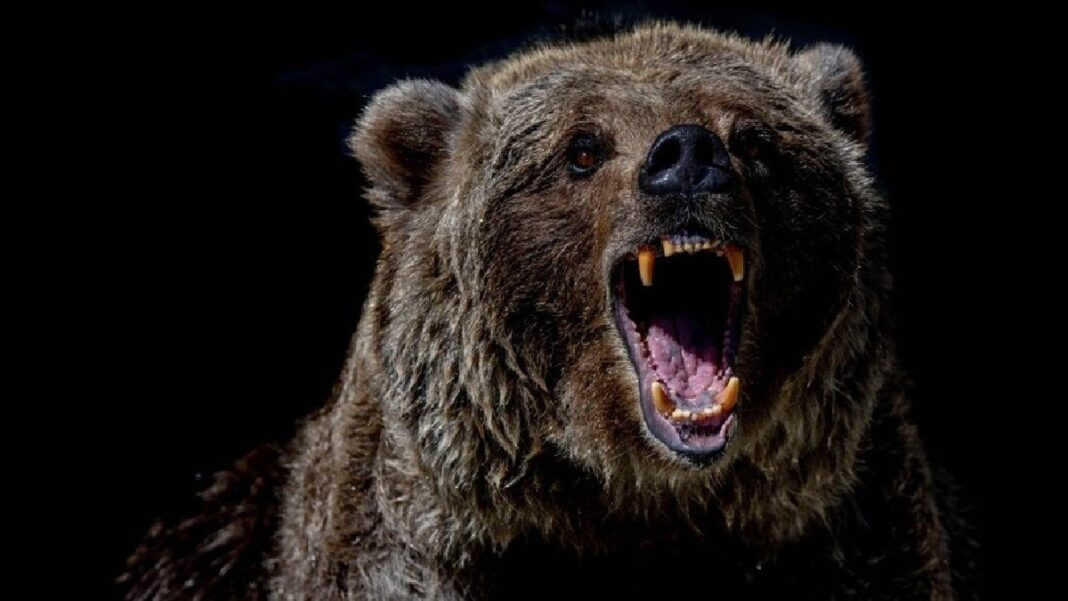
Think of a bear and you probably picture a powerful predator. The thought of a bear conjured an image of a furry, tall creature swiping salmon from a river or chasing prey across a vast land.
But a new international study is transforming that image into something else altogether.
As temperatures rise and plant-growing seasons get longer, many bear populations around the world are shifting away from meat and toward a more plant-heavy diet.

The research, published in Nature Communications, combined modern diet records with fossil evidence spanning roughly the last 55,000 years to track how bears adjust their feeding habits as landscapes change.
Scientists call this “trophic rewiring”. It’s the idea that a large omnivore can essentially change its ecological role depending on what the environment has to offer.
WHAT DO BEARS EAT?
Bears eat differently depending on where they live. Berries, roots, grasses, and nuts can make up a large part of their diet, but so can fish, insects, and small mammals.
The balance shifts by region and season and the new study shows that their diet can also shift with the climate.
To map the big picture, researchers compiled 210 diet records from 155 studies covering seven terrestrial bear species worldwide.
They found a consistent pattern.

Researchers found that bears in ecosystems with short growing seasons tended to eat more animal prey, while bears in places with longer, warmer growing seasons leaned more heavily on plants. The growing season is defined as the number of months when average temperatures stay above 0 degrees Celsius.
The fossil record backed this up.
Using chemical analysis of bone collagen from 219 brown bear specimens and 372 red deer specimens collected across Europe, scientists reconstructed what brown bears were eating over millennia.
Bears during the last Ice Age consumed significantly more animal prey. After the glaciers retreated around 12,000 years ago, and vegetation became more abundant, the brown bears gradually shifted toward a more plant-based diet.

DOES IT MATTER?
A bear that eats more plants is not simply an anomaly, but could point to a larger consequence.
Bears influence entire ecosystems. The predators disperse seeds, cycle nutrients, and help keep prey populations in check. When they reduce hunting and eat more plant-based food, the knock-on effects ripple through food webs in ways scientists are still working to understand.
As climate change lengthens growing seasons, bears may increasingly move away from animal prey. But if land-use pressures, such as agriculture expanding into wild areas, reduce the availability of natural plant foods, bears could turn to livestock or crops instead, raising the likelihood of conflict with farmers and rural communities.

India is no stranger to such tensions. Human-bear conflict is an ongoing challenge in states like Himachal Pradesh, Jammu & Kashmir, and parts of the northeast.
Researchers suggest that tracking bear diets over time could act as an early warning system for broader ecosystem change. As the climate rewires the landscape, the bear’s menu may be one of the first signs that the whole system is being reorganised. And that could lead to ripple effects years from now.