Chernobyl Fungus Eats Radiation, Could Shield Moon Bases

Key Takeaways

  • A black fungus from Chernobyl feeds on radiation, turning gamma rays into energy.
  • NASA is testing it as a lightweight shield for moon and Mars bases.
  • Wolves and frogs in the Exclusion Zone have evolved genetic protections against cancer.

Scientists have discovered a life form thriving on the deadly radiation left by the Chernobyl nuclear disaster. A black fungus not only survives but grows faster and moves towards radiation, offering potential breakthroughs for space exploration and medicine.

The fungus, Cladosporium sphaerospermum, was found growing on the walls of the abandoned reactor. Research shows specific strains can convert dangerous gamma rays into chemical energy, a process scientists call ‘radiosynthesis’.

From Chernobyl Walls to Space Shields

The key to the fungus’s ability is melanin, the same pigment found in human skin. While melanin usually blocks UV rays, in this fungus, it transforms gamma radiation into usable energy at the atomic level.

This discovery has captured NASA’s attention. On the International Space Station, the fungus grew 21 times faster when exposed to space radiation and effectively blocked it. Scientists are now developing ‘fungal bricks’ as lightweight, superior alternatives to lead for shielding moon and Mars bases.

The material could also help clean up nuclear waste sites on Earth.

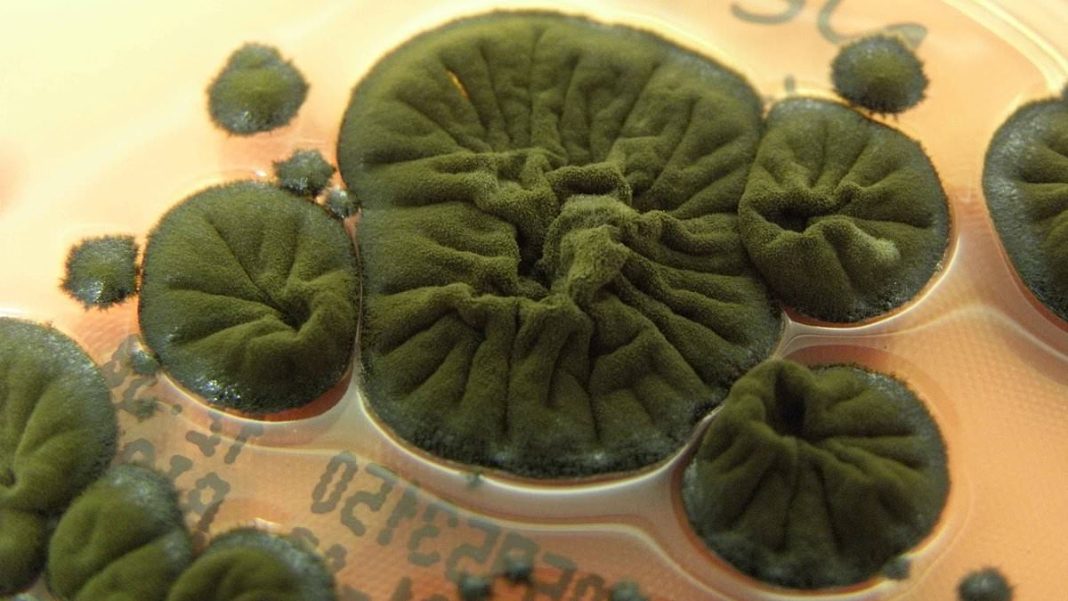
A dark green mold known as Cladosporium sphaerospermum has been found to feed on nuclear radiation, making it a potential building material for future moon bases

The Chernobyl Exclusion Zone: A Living Laboratory

The 1986 Chernobyl disaster created the largest uncontrolled release of radioactive material in history. The resulting 30-mile Exclusion Zone, though largely deserted by humans, has become an unexpected haven for wildlife.

This environment has forced rapid evolution. Studies reveal that wolves living in the zone have developed genetic mutations that appear to grant them resilience to cancer. Researchers from Princeton University, led by evolutionary biologist Cara Love, collected blood samples and used GPS collars with dosimeters to study these wolves in 2014.

The hope is that understanding these animal adaptations could lead to identifying protective genetic mutations in humans.

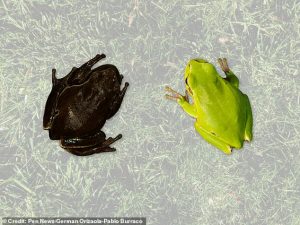
The frogs around the Chernobyl Exclusion Zone have become darker due to their bodies blocking out deadly radiation
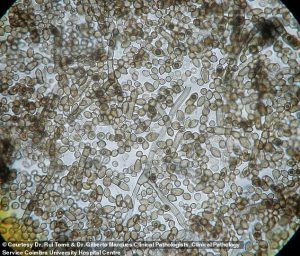
C. sphaerospermum under a microscope. The fungus has been found to turn dangerous gamma rays into energy

Melanin’s Protective Power

The story of adaptation extends to amphibians. Chernobyl’s tree frogs have evolved darker skin due to increased melanin. This change not only protects them but is passed to healthier offspring, creating a generational shield against radiation.

From a radiation-eating fungus to cancer-resistant wolves, life in Chernobyl is demonstrating remarkable resilience. These discoveries are turning a site of tragedy into a source of potential solutions for space travel, medicine, and environmental cleanup.

Latest

Western disturbance to hit India, but plains to keep getting hot on Friday

Despite the incoming system, temperatures across north and central India are forecast to remain high. Meteorologists warn that the limited rainfall will not be

Send Grace and Rocky: Young stars like our Sun seen dimming outside Solar System

Planets orbiting such stars may have a better chance of retaining their atmospheres and developing conditions suitable for life.

Isro confirms 36 Indian rocket parts fell on Earth after launch in 2025

India is making considerable progress in ensuring that its satellites are not adding to the increasing levels of space debris. Instead, these satellites entered

Nasa flies close to Sun, uncovers new clue to how solar storms are born

The Parker Solar Probe has uncovered a surprising clue about how solar storms form, revealing new particle behaviour that could improve space weather prediction

Desert planets beyond our Solar System may be far less likely to support life

Scientists estimate that there are billions of planets orbiting stars outside our solar system, with more than 6,000 confirmed exoplanets discovered so far.

Topics

Schools in Kerala, MP and other states change timings, declare holidays amid heatwave

States take action to safeguard students from extreme heat

Kendriya Vidyalaya students score 90%+ in CBSE, share success mantra

With CBSE declaring the Class 10 results, students across India are celebrating their scores and planning their next academic steps. At PM SHRI Kendriya Vidyala

Aadi Abadi factor: How delimitation, women voters shape Tamil Nadu poll narrative

Women voters emerge as pivotal in Tamil Nadu's heated election scene

Markets open flat as geopolitical tensions ease, but caution remains

The BSE Sensex was trading at 78,030.99, up 42.31 points or 0.05% at around 9:43 am. The Nifty 50, however, slipped marginally by 6.85 points or 0.03% to 24,189

Kerala SSLC Results in May, plus two on May 25, confirms education minister

Kerala SSLC and Plus Two Result 2026 dates have been officially announced, giving students clarity on when to expect their scores. The state has also rolled out

Who is Girija Ji? PM Modi meets veteran educationist after 30 years, praises her work

Prime Minister Narendra Modi’s Nagercoil visit blended politics and personal warmth as he reunited with veteran educationist Gomatam Veeraraghavan Girija afte

Lebanon ceasefire: Who said what? Bibi vows troops will stay; Trump hails talks ‘very exciting’ – How Iran reacts?

Iranian Parliament speaker Ghalibaf asserts that Lebanon must be included in any peace agreement between Iran and the U.S., emphasizing its importance for regio

‘Targeting of commercial shipping unacceptable,’ India calls restoration of safe navigation in Strait of Hormuz at UN

India's Ambassador Harish P raised concerns at the UN over threats to commercial shipping in the Strait of Hormuz, urging for safe navigation and calling for de
spot_img

Related Articles

Popular Categories

spot_imgspot_img