
Key Takeaways
- Preterm babies’ brains respond to rhythm in both hearing and movement areas
- This brain connection forms weeks before birth, earlier than previously confirmed
- Rhythm processing may be hard-wired and crucial for language and social development
Scientists have discovered that premature infants’ brains respond to rhythmic sounds in both auditory and motor regions, revealing the earliest evidence of sound-movement connections forming before birth.
According to a study published in iScience, when preterm babies around 36 weeks gestational age hear rhythmic patterns, their brain activity lights up in areas controlling movement as well as hearing. This suggests the foundation for rhythm perception begins in the womb.
Beats Before Birth: The Study Methodology
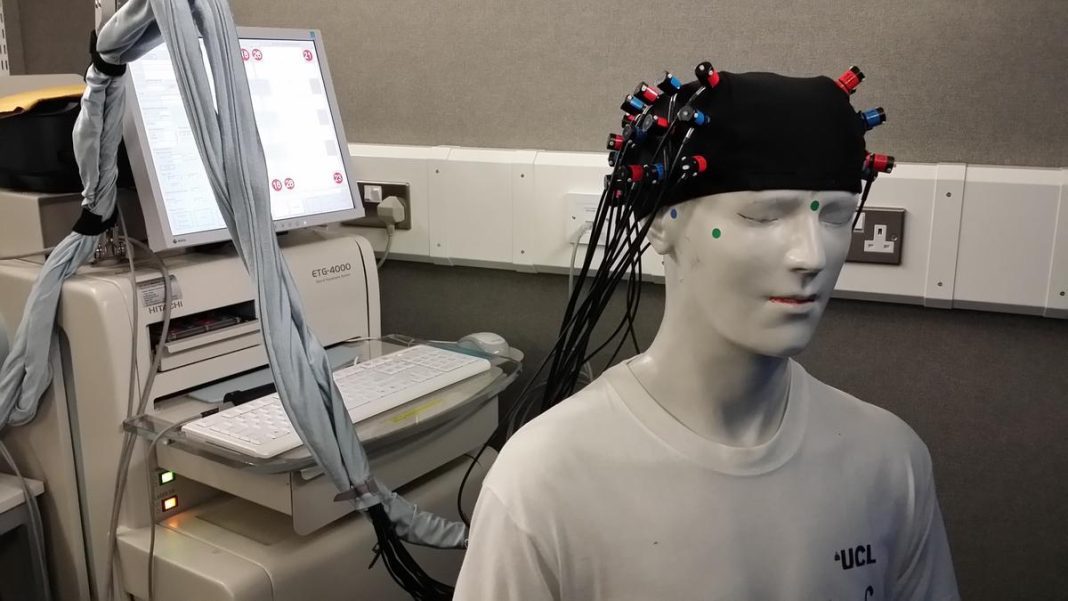
Researchers used functional near-infrared spectroscopy (fNIRS) to monitor brain activity in sleeping preterm infants. The babies heard both rhythmic and irregular sound sequences while researchers observed their neural responses.
Rhythmic sounds produced strong activation in both auditory and motor planning regions, while irregular patterns showed weaker, limited brain activity. This indicates the developing brain can already organize sounds into predictable patterns.
“The brain is already responding to rhythm, much before birth — the same ability that later helps shape language and social communication,” said lead researcher Dr. Sahar Moghimi from the University of Picardy Jules Verne.
Early Sound-Movement Partnership
The findings challenge previous assumptions that beat perception develops after birth. The motor system appears to be an active partner in rhythm processing from the earliest stages of development.
“This study confirms that rhythm plays a critical role very early in life,” said Dr. Simone Dalla Bella of the University of Montreal. “It suggests the brain’s ability to pick out steady patterns in sound and link them to movement may be at least partly hard-wired.”
Experts note that fetuses are naturally exposed to rhythmic stimuli including the mother’s heartbeat and speech patterns, which may help wire the auditory system to detect steady beats.
Clinical Implications for Early Development
For neonatologists, these findings provide insights into early brain connectivity. Rhythmic sounds may help stimulate synaptic growth in developing brains.
“Rhythmic sounds may help stimulate both hearing and motor regions, supporting early synaptic growth in the developing brain,” explained Dr. Surendra Singh Bisht, head of paediatrics and neonatology at Swami Dayanand Hospital, New Delhi.
While preterm infants cannot yet recognize specific tunes, their brains are preparing for future rhythm perception and movement coordination. This early sensitivity positions rhythm as a fundamental building block for learning about regular patterns in the world.
Dr. Moghimi concluded: “The presence of elaborated neural capacities for processing rhythm so early in life highlights its importance as a building block for learning from regularities in the world.”


