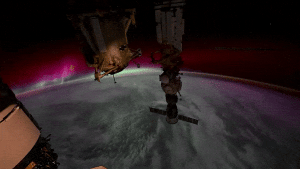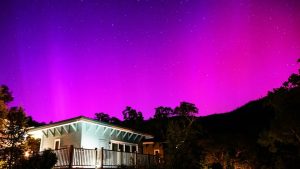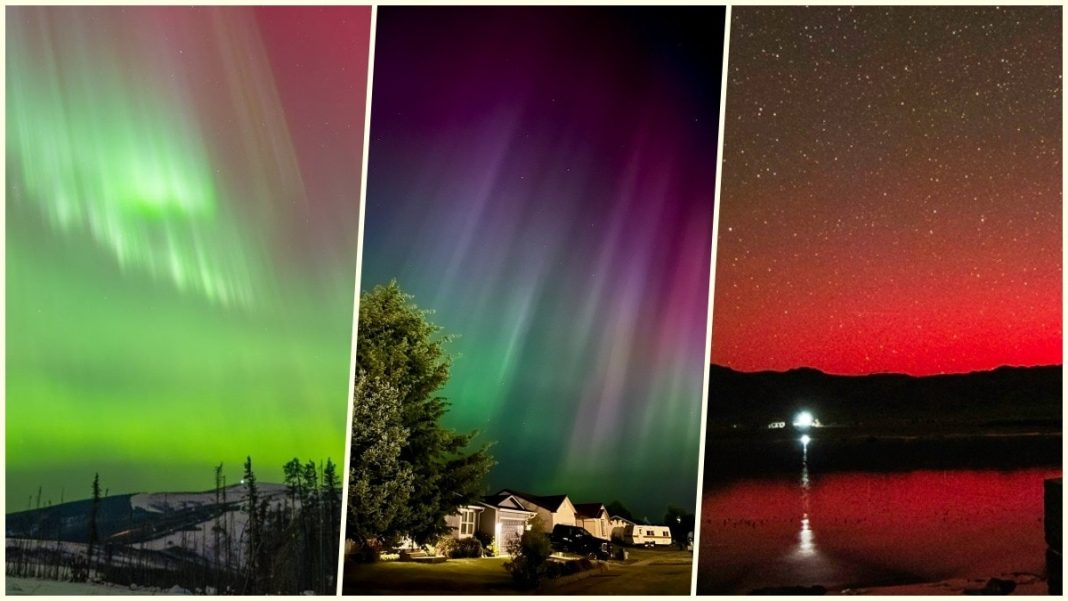
In a rare celestial spectacle, parts of India witnessed shimmering auroras during powerful geomagnetic storms in 2024 and 2025, an event almost unheard of at such low latitudes.
Residents in Ladakh and high-altitude regions of northern India reported faint red and green glows along the horizon, while strong solar storms in May and October 2024 pushed the auroral oval unusually far south.
Social media lit up with images from Hanle and other Himalayan observatories, marking one of the most significant space weather events visible from Indian territory in decades.
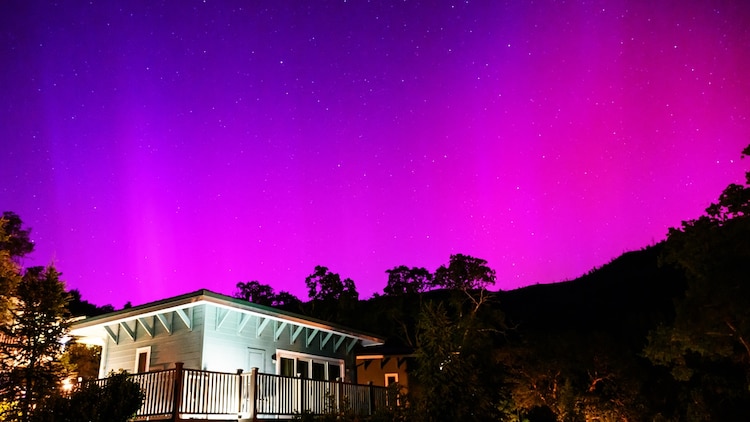
As the Sun surged toward the peak of Solar Cycle 25, powerful geomagnetic storms sent curtains of green, purple and red light cascading far beyond the polar regions. Skies over southern Europe, the central United States and parts of Asia glowed with the Northern and Southern Lights, and for a short time, even India joined that list.
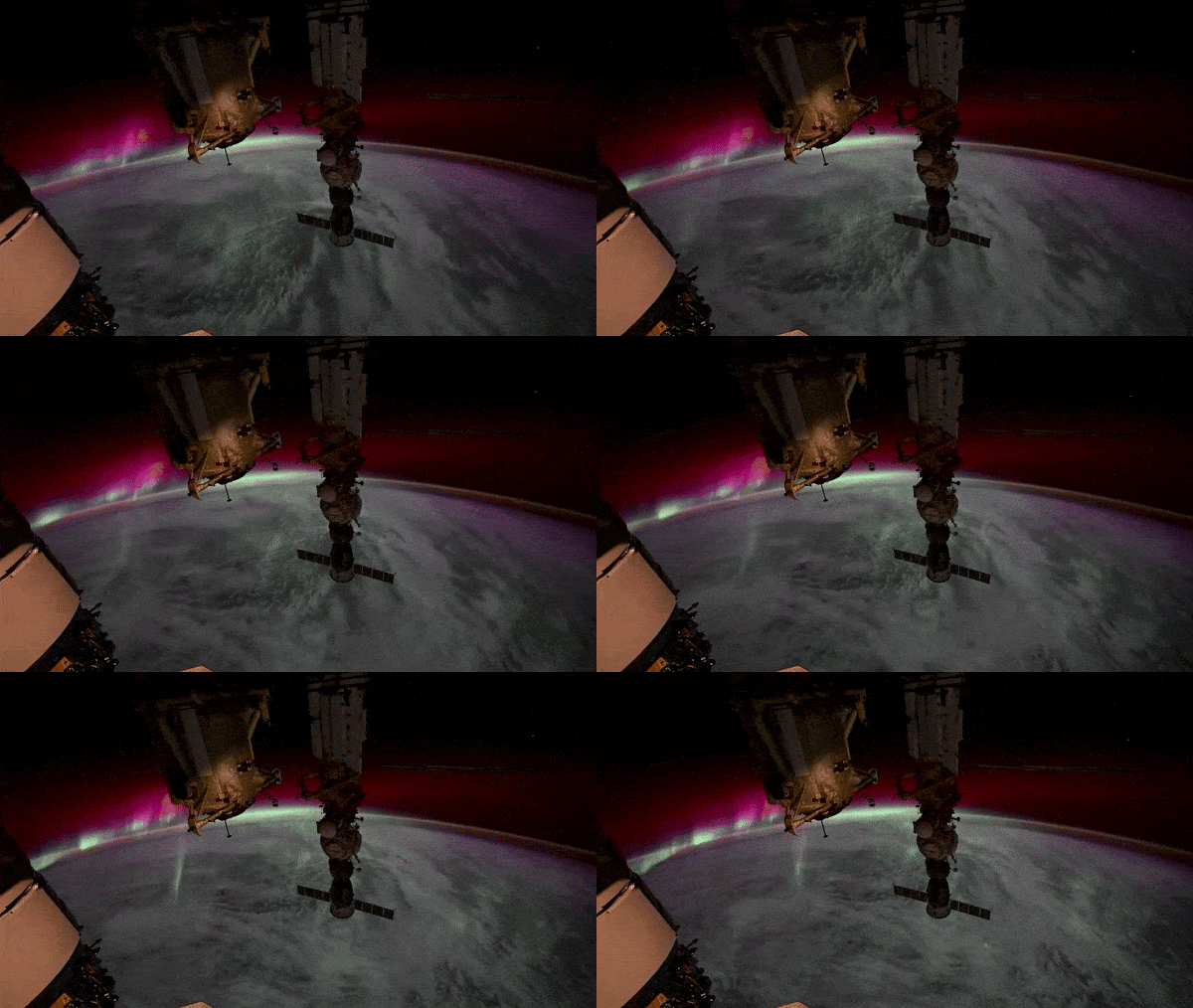
But behind the beauty lay disruption.
WHAT REALLY HAPPENED AT THE SUN?
According to the National Oceanic and Atmospheric Administration (Noaa) and its Space Weather Prediction Centre (SWPC), 2025 saw repeated strong (G3) and severe (G4) geomagnetic storms, a powerful burst of material from the Sun, as solar activity intensified.
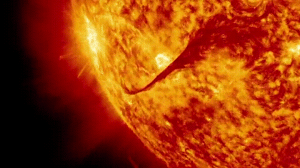
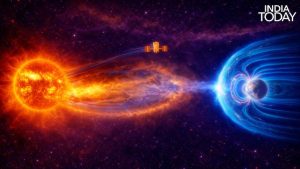
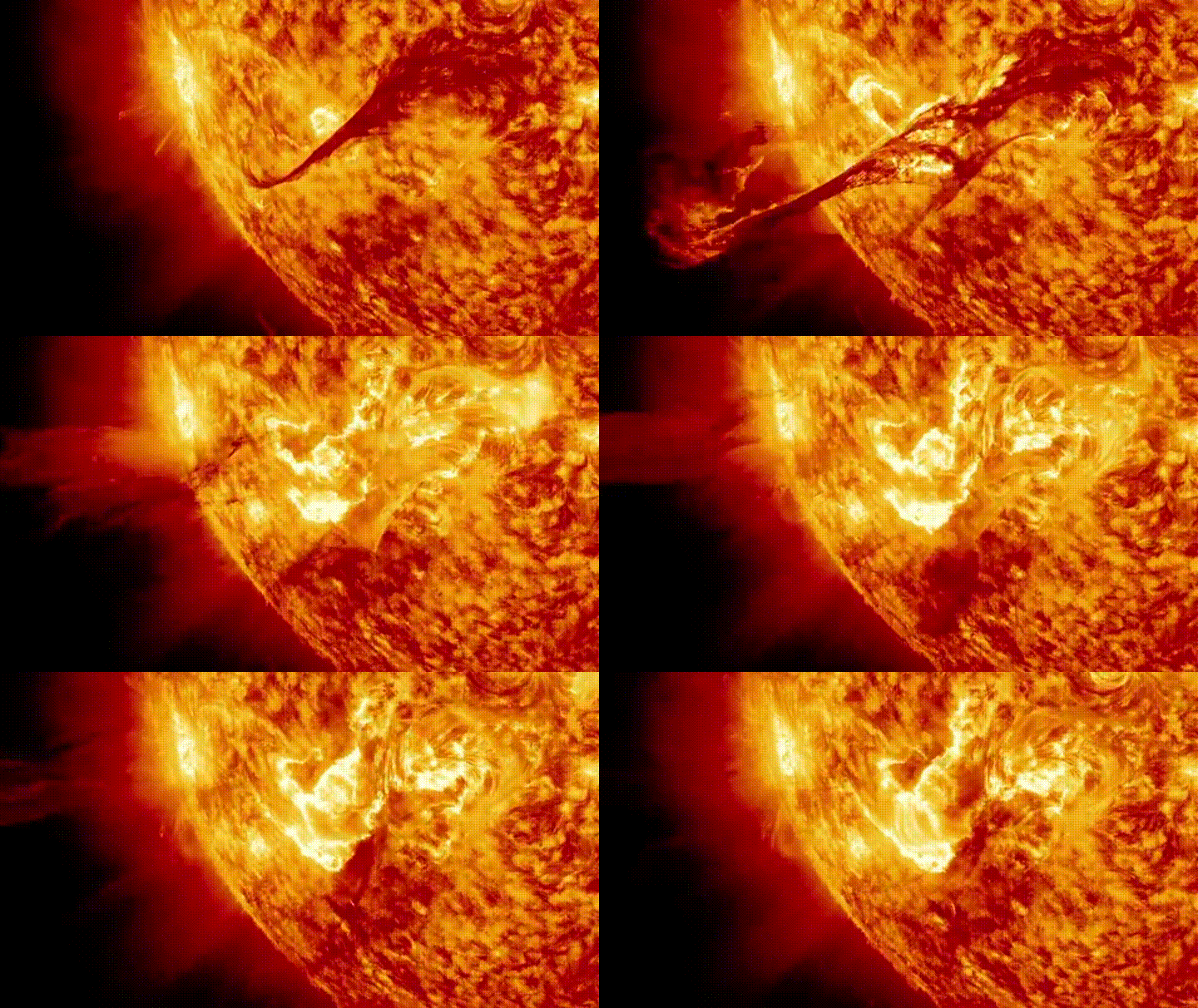
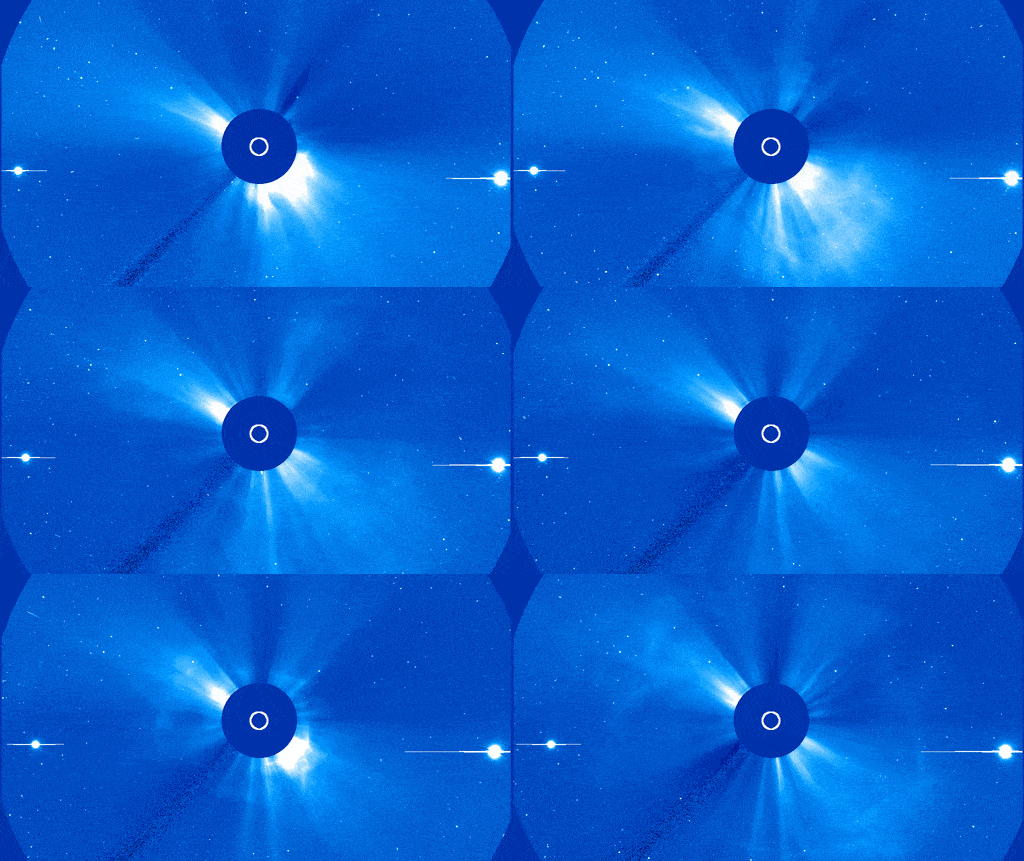
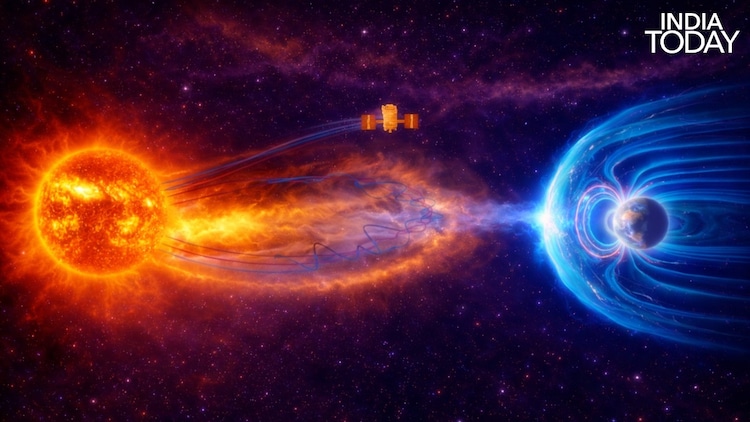
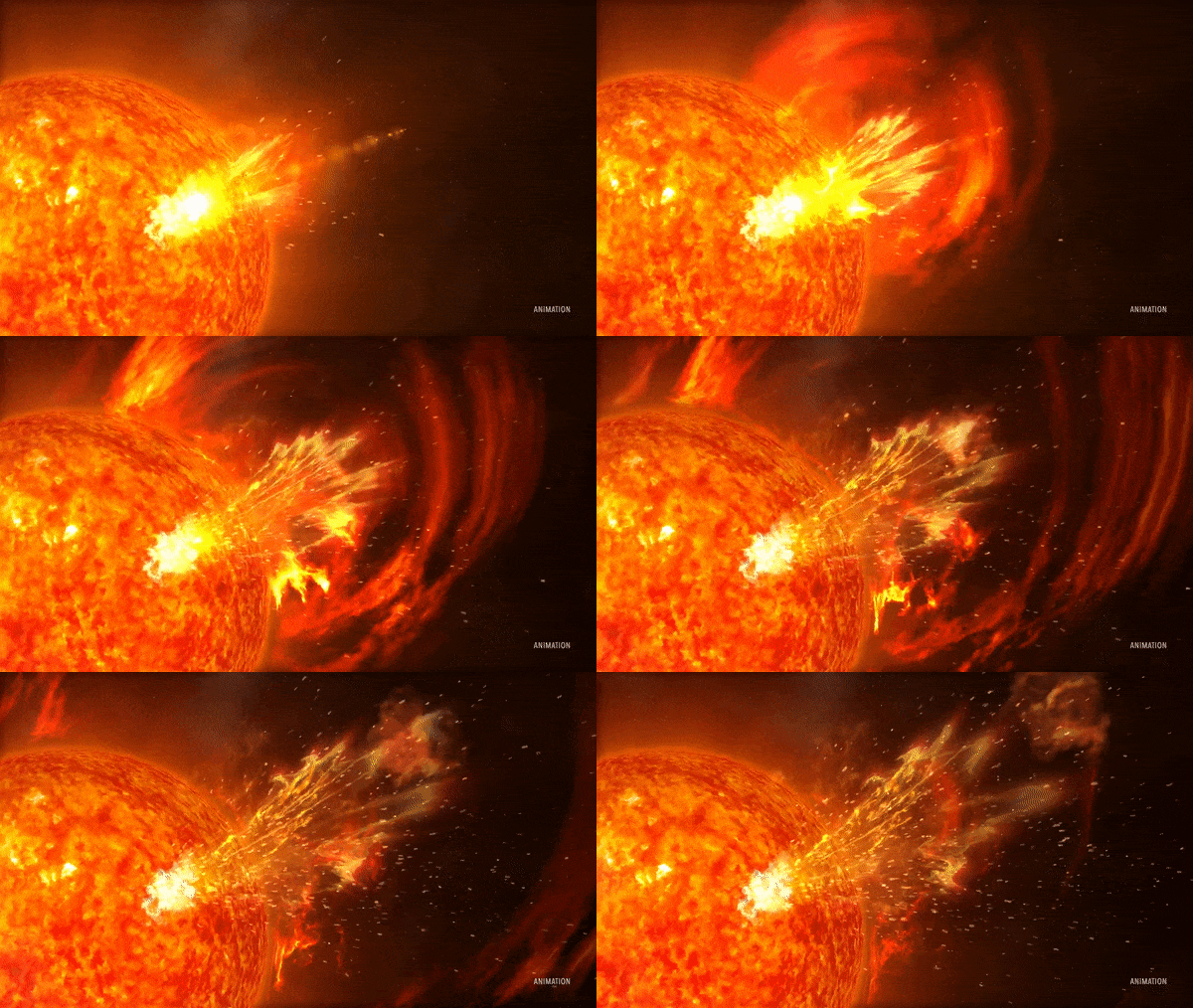
Solar maximum, the most active phase of the Sun’s roughly 11-year cycle, is marked by elevated sunspot numbers, frequent solar flares and coronal mass ejections (CMEs). When Earth-directed CMEs collide with the planet’s magnetic field, they trigger geomagnetic storms that produce auroras.
Sunspots are temporary dark regions of intense magnetic activity on the solar surface, while solar flares are sudden and explosive releases of electromagnetic radiation from these active areas.
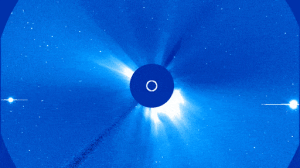
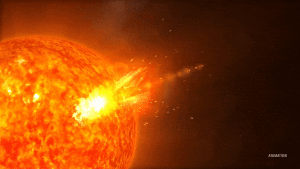
Coronal mass ejections consist of massive clouds of magnetised plasma hurled into space which, upon reaching our planet, trigger geomagnetic storms by disturbing the magnetic field of Earth.
Data from Nasa and Noaa indicate that Solar Cycle 25 has been stronger than initially predicted in 2019. Sunspot counts in 2024–2025 exceeded early forecasts, increasing the frequency of Earth-facing solar eruptions. These figures are compiled through joint solar cycle outlook panels hosted by Noaa and Nasa.
Early information on the timing of the solar cycle peak is critical for preparing for adverse space weather and taking mitigation measures for the protection of our space-reliant technologies that drive modern society.
Notably, an Indian group from the Center of Excellence in Space Sciences India at IISER Kolkata, comprising Prantika Bhowmik and Dibyendu Nandi, accurately predicted the peak timing of the current sunspot cycle back in 2018.
BEYOND BEAUTY LIES THE THREAT
While photographers celebrated viral aurora images, satellite operators were navigating turbulence. When intense solar radiation heats Earth’s upper atmosphere, it expands. This expansion increases atmospheric drag on satellites in low-Earth orbit, subtly pulling them downward.
Nasa has previously documented how geomagnetic storms can significantly increase atmospheric density at orbital altitudes, accelerating orbital decay. During heightened activity in Solar Cycle 25, commercial satellite constellations reported increased fuel consumption to maintain altitude.
Some smaller satellites experienced premature re-entry. Noaa and Nasa both monitor thermospheric density changes during storms, which are publicly reported through space weather bulletins.
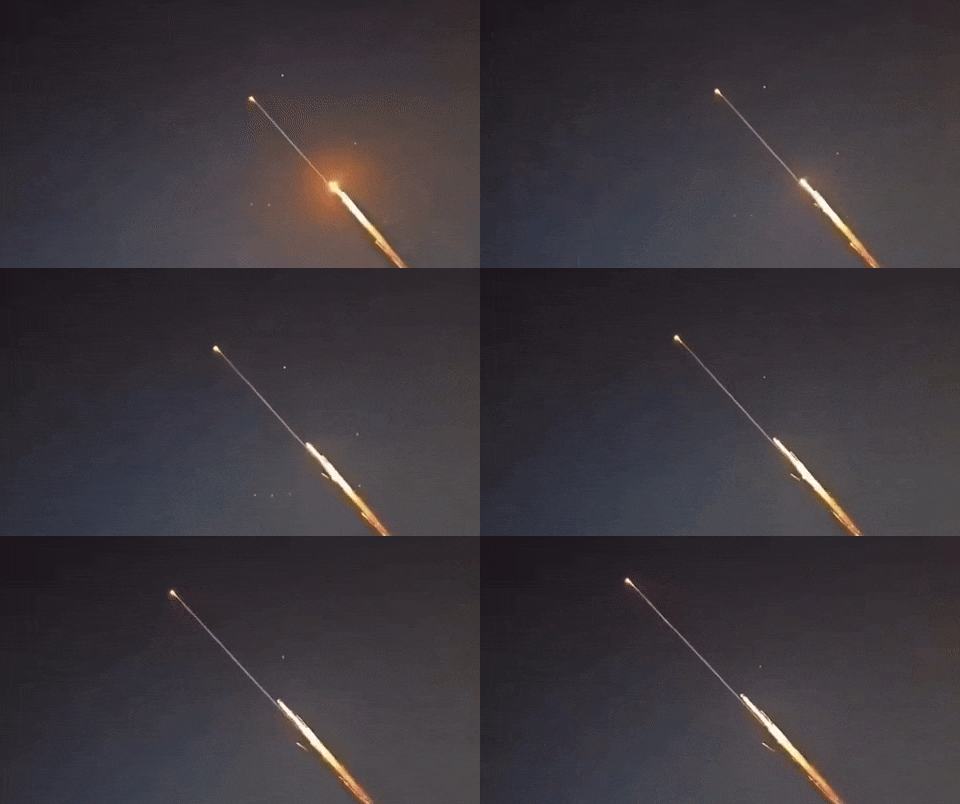
Starlink lost a new batch of 40 satellites just days after they were launched. They came down burning through the atmosphere. The International Space Station suffered multiple hits, and astronauts onboard went through higher levels of radiation.
“Most objects in Low Earth Orbit (LEO) from 300 to 600 km altitude experienced heightened orbital decay of varying degrees during this period. We also noticed that traditional space-weather models for forecasting the degree of the storm underestimated the severity of the event, leading to poor performance in orbit prediction of these assets,” space situational awareness firm Digantara told IndiaToday.in.
The Indian Space Research Organisation (Isro) also reported that the orbital decay of their satellites increased by up to six times.
The European Space Agency and private operators also noted greater difficulty in tracking space debris during geomagnetic disturbances, as fluctuating atmospheric drag alters orbital paths unpredictably.
GPS AND AVIATION DISRUPTIONS
Solar storms interfere with radio signals passing through the ionosphere. The SWPC regularly issues advisories about potential GPS degradation during strong geomagnetic events. In 2025, several high-latitude flights were rerouted as a precaution during peak storm periods, a standard aviation response when high-frequency radio communications risk interruption.
Navigation accuracy for precision agriculture and maritime shipping briefly declined during severe ionospheric disturbances, according to Noaa’s space weather service summaries.
For the first time agriculture was hit by solar storms. The May Mother’s Day solar storm slammed into GPS satellites that affected GPS-powered tractors in the US, putting them on a standstill. This was for the first time Earth was dealing with potential impact of Sun’s anger on its daily life as space-based technology becomes key part of our day-to-day lives.
POWER GRID ON HIGH ALERT
One of the most closely watched threats during 2025 was the potential impact on power grids. Geomagnetically induced currents (GICs) can flow through long transmission lines during strong storms, potentially damaging transformers.
The benchmark for such events remains the 1989 Quebec blackout, widely documented by Canadian government-owned electricity generation firm Hydro-Quebec, and cited in Noaa case studies.
While 2025 did not produce a blackout of that magnitude, grid operators in North America and Europe implemented protective measures during several severe storm warnings. Noaa’s G-scale storm classification system, ranging from G1 (minor) to G5 (extreme), guided preparedness actions.
A NATURAL CLEANSING EFFECT
Paradoxically, the same atmospheric expansion that endangered satellites also helped reduce space debris. Increased drag pulled some defunct objects back into the atmosphere more quickly than expected.
Nasa’s Orbital Debris Program Office has long noted that solar maximum periods can accelerate debris decay, temporarily easing congestion in low-Earth orbit.
Yet experts caution that the unpredictability of drag complicates collision modelling, particularly for densely populated orbital shells.
WHY WAS THE SUN SO ACTIVE IN 2025?
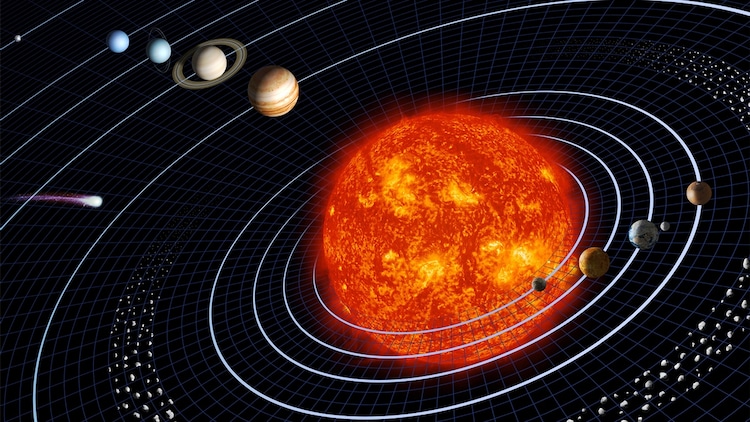
Solar Cycle 25 officially began in December 2019, as confirmed by Noaa and Nasa’s Solar Cycle 25 Prediction Panel. Initial forecasts suggested a relatively modest cycle. However, by 2023 and 2024, sunspot counts were already surpassing expectations.
Researchers attribute the stronger-than-expected activity to variations in the Sun’s internal magnetic dynamo, a process still not fully understood. Observations from ground-based observatories and spacecraft such as Nasa’s Solar Dynamics Observatory have revealed increasingly complex magnetic regions capable of generating X-class flares.
WILL THE SUN BURP MORE IN 2026?
As 2026 unfolds, scientists expect solar activity to slowly decline from its peak, though not abruptly.
Solar maxima often plateau rather than drop sharply. Noaa’s long-range outlook suggests elevated activity may persist into early 2026 before gradually tapering off.
This means aurora opportunities will likely remain above average during the first half of 2026, particularly at higher latitudes. However, the frequency of severe (G4-G5) geomagnetic storms is expected to decrease compared to 2025 if the cycle follows historical patterns.
“There can be geomagnetic disturbances even if the sunspot number is less,” said Professor R Ramesh, Senior Professor at the Indian Institute of Astrophysics (IIA).
Satellite operators are unlikely to see immediate relief. Even moderate storms can cause measurable atmospheric expansion. Infrastructure planners are increasingly incorporating space weather resilience into grid modernisation and satellite design strategies.
Looking further ahead, scientists will begin watching for signs of Solar Cycle 26, expected to emerge toward the end of this decade. Measurements of the Sun’s polar magnetic fields, tracked by solar observatories, will help refine those predictions.