

From scrolling through social media to unlocking your phone, touchscreens have become an essential part of daily life. But what makes these screens respond so effortlessly to your fingers?
The answer lies in a clever combination of physics, electrical engineering, and the natural properties of the human body.
In this week’s The Daily Why, a special series from India Today Science, we look at the circuitry, sensory and the scientific breakthrough that makes the screen respond to our touch smoothly.
THE SCIENCE BEHIND THE TOUCHSCREEN
Most modern smartphones and tablets use what is known as capacitive touchscreen technology. The key idea behind how touchscreens work is capacitance, a property that describes how well a system can store electrical charge.
Unlike older systems that relied on pressure, today’s screens detect touch using tiny electrical signals spread across a thin, transparent layer on the display.
This layer is made of a conductive material that holds a small, constant electrical charge. When a user places a finger on the screen, it doesn’t just make contact, it actually alters the electrical field at that specific point.
The human body is a natural conductor of electricity, thanks to the presence of water and dissolved salts. As a result, your finger effectively draws a small amount of charge away from the screen, creating a disturbance that sensors can detect.
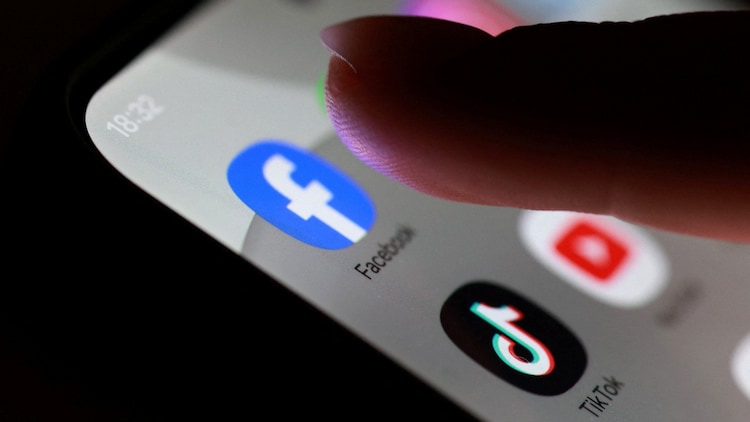
These sensors, placed across the screen in a grid-like pattern, continuously monitor changes in the electrical field. The moment your finger touches the surface, the system identifies the exact location of the disturbance and sends that information to the device’s processor.
This entire process takes place in milliseconds, which is why touchscreens feel so fast and responsive.
The technology also explains why touchscreens do not respond well to ordinary gloves or non-conductive objects. Materials like plastic or standard fabric do not conduct electricity, so they fail to create the necessary change in the screen’s electrical field.
However, specially designed touchscreen gloves include conductive fibers that mimic the effect of a human finger.
Another key feature of modern touchscreens is their ability to handle multiple inputs at once. Known as multi-touch functionality, this allows users to perform gestures such as pinching to zoom or using several fingers simultaneously. The screen achieves this by tracking multiple points of electrical disturbance at the same time.
Interestingly, most capacitive touchscreens do not actually measure how hard you press. Whether you tap lightly or firmly, the screen primarily responds to the presence of your finger rather than the pressure applied.
In essence, every tap, swipe, or pinch on your device is made possible by a subtle interaction between your body and an invisible electrical field. It is a seamless blend of human biology and physics—one that has quietly revolutionised the way people interact with technology.