
Just days after a mild start to April, central and southern India are set to face intense heat, with temperatures likely to go unto between 42 degrees Celsius and 45 degrees Celsius in many areas.
Delhi-NCR could see its first 40 degrees Celsius day as soon as this week.
The India Meteorological Department (IMD) has noted clear skies over nearly 95 per cent of the country, and experts warn that the real summer heat is arriving fast.
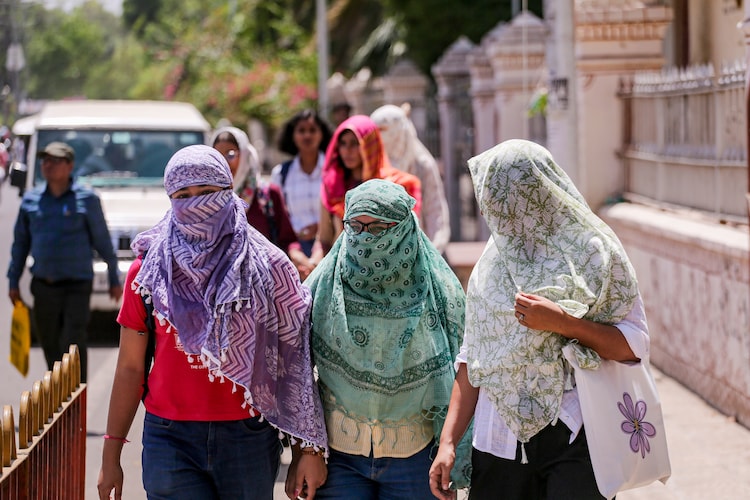
But why is it getting so hot all of a sudden? The truth is, there is no one reason but an intersection of a number of factors that are causing the temperatures to climb.
WHY IS IT GETTING SO HOT?
The main reason behind this sudden rise is the fading of Western Disturbances, weather systems that usually bring clouds, rain, and cooler winds from the west, especially to northern and northwestern India.
The weather system was the reason behind the rain and storms and cold relief in the past couple of weeks.
But as the system weakens, the skies have cleared, and heat is resurging.
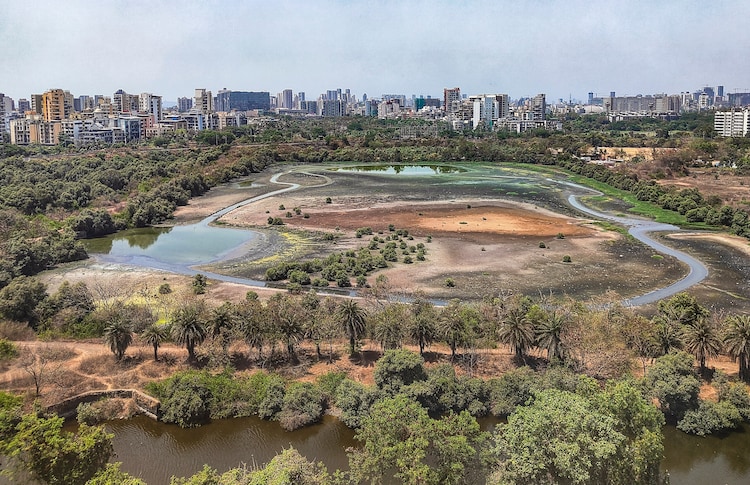
Without clouds to block the sun, the ground heats up quickly during the day and the shift has already left most parts of the country under continuous sunshine, pushing temperatures higher in central and peninsular regions.
A heat dome effect is also at work. It’s an effect where high-pressure systems trap warm air near the surface, preventing it from rising and cooling.
An atmospheric trough stretching from central India to southern states adds to the dry and hot setup. States like Telangana, Andhra Pradesh, Odisha, Chhattisgarh, and parts of Maharashtra are bracing for the sharpest rise.
HOW IS THE WEATHER IN COMING DAYS?
The IMD’s outlook for April to June 2026 had already flagged above-normal heatwave days in many regions, including east, central, northwest, and southeast peninsular India.
While April was expected to bring some relief through rain in the north, the second half of the month is now turning hotter. Warmer nights are another worry as minimum temperatures are likely to stay above normal across most of the country, giving less chance to cool down.
This early heat fits a worrying pattern.

As we witnessed earlier this year, winters are ending sooner and warm days are appearing as early as February.
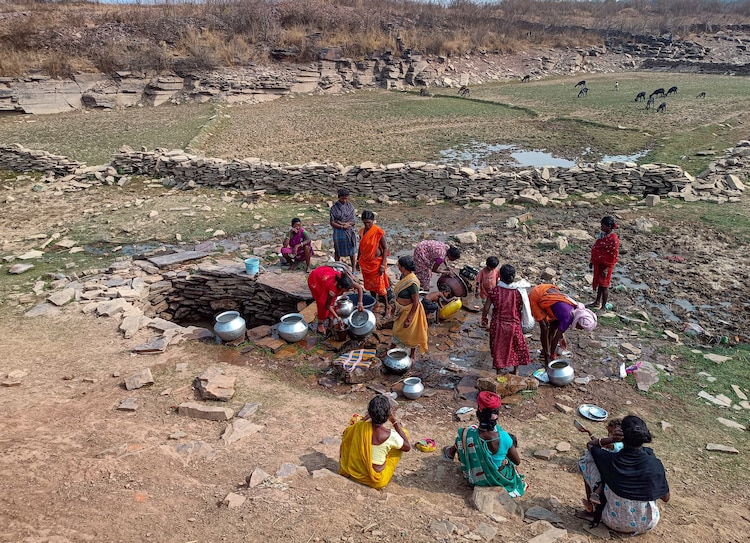
Even before that, a relatively dry winter, with lower rainfall and snowfall, has left soils drier. Dry soil heats up faster than moist soil, leading to quicker temperature rises.
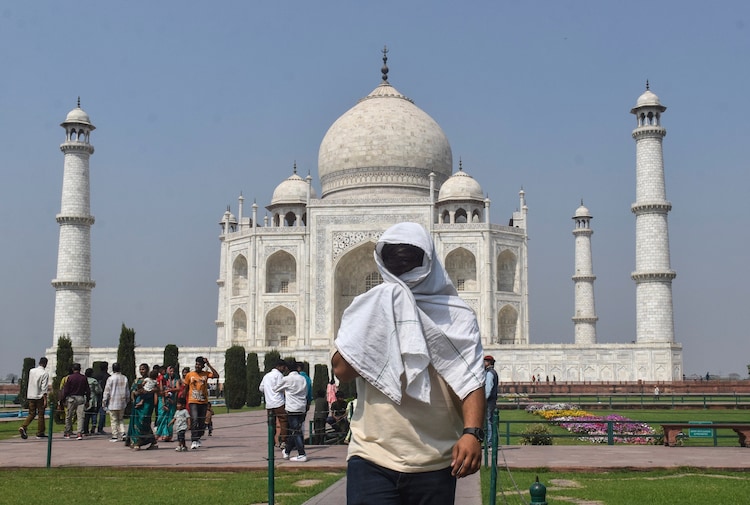
To make matters worse, climate change is making heatwaves more frequent, intense, and longer overall, as India witnessed last year and in 2024 when it saw record heat. Other factors, like the urban heat island effects from concrete and reduced greenery, make cities feel even hotter.
Experts have also taken note of the risk of a Super El Nino developing later in 2026.
This Pacific Ocean pattern often brings drier conditions and can worsen summer heat, though the current surge is mainly due to day-to-day weather changes. For now, the forecast shows that the summer ahead is going to be extremely hot and the monsoon a dry one.
For millions of Indians, this means higher risks to health, farming, and power supply. The summer of 2026 is here, and is not planning on going easy on us.