
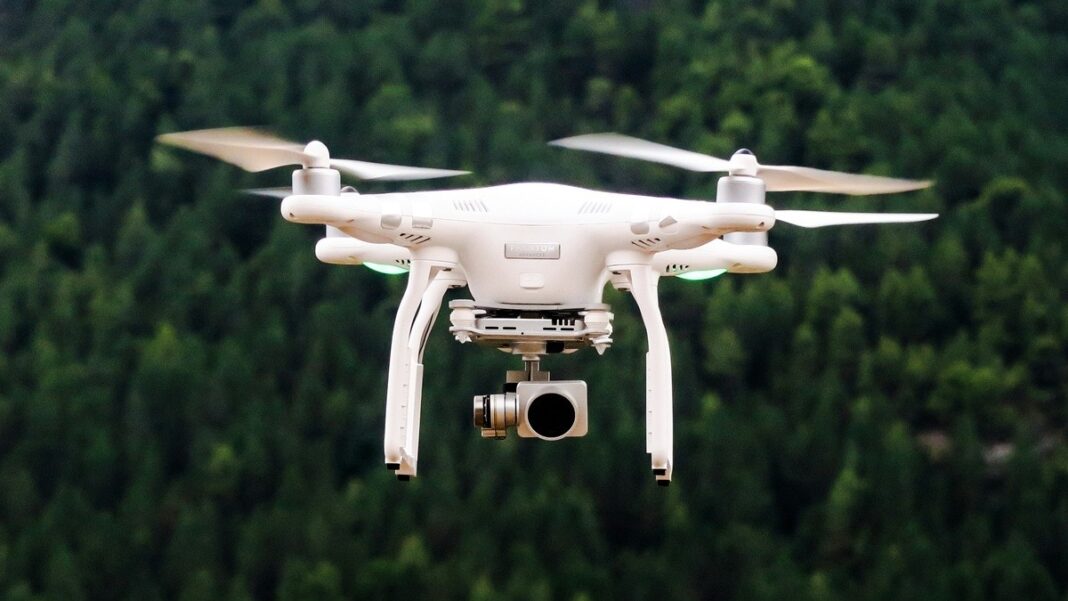
Shorter attention spans are making people increasingly impatient. It is not just visible from the popularity of short video formats, but also in things like product deliveries, and companies are trying out various ways to capitalise on this. In India, which is densely populated, the concept of 10-minute delivery is very popular. A sparsely populated country such as the United States is trying airborne delivery via drones.
Recently, a video of Prime Air, Amazon’s drone delivery service that is rolling out in a number of US cities, has gone viral on social media platforms. While the company introduced the service to make deliveries faster, the drones are casually dropping packages onto concrete from about 10 feet in the air.
Many might think these drones can fly closer to the ground and mitigate this issue, but they have a record of failing to detect obstacles in their path, and there is a fear that a low-flying drone can hit an obstacle and cause serious injuries.
So, is delivery via drone not practical?
There are two methods through which drones can avoid hitting an obstacle, as explained by Chad Butler, a former head of information security at Amazon’s commercial drone program, to Gizmodo.
In the first method, these drones, which fly autonomously and can go beyond the line of sight of a human operator, can use a system called ADS-B. The system maintains a consistent broadcast of the drone’s altitude, heading, and airspeed, creating a sort of virtual environment that lets every drone know where every other drone is.
However, the problem with this system is that these drones broadcast unencrypted records of their position and can be hacked by spoofing a GPS signal to commit an attack.
The other method uses onboard sensors, which are also used in robots. However, we have seen videos of robots falling on tracks and struggling to navigate. Recently, in Disneyland Paris, a roaming Olaf robot glitched mid-conversation and collapsed in front of visitors, complete with his carrot nose popping off for dramatic effect.
The system still needs improvement and struggles in 2D, and adding a new dimension to the system for drones will further increase the chances of it going wrong.
What lies ahead
While clips of robots falling are funny and get millions of views on the internet, the technology is also improving at a rapid pace, and how much we see robot or drone deliveries will depend on the direction companies choose.
But one thing is clear, robots are improving fast. Recently, a Chinese robotics startup, Unitree Robotics, showcased its H1 humanoid robot reaching a sprint speed of up to 10 metres per second, marking a world record for a humanoid robot.
As per the company, the H1 robot used for the run had a combined thigh and calf length of 80 centimetres and weighed approximately 62 kilograms, comparable to an average human.


