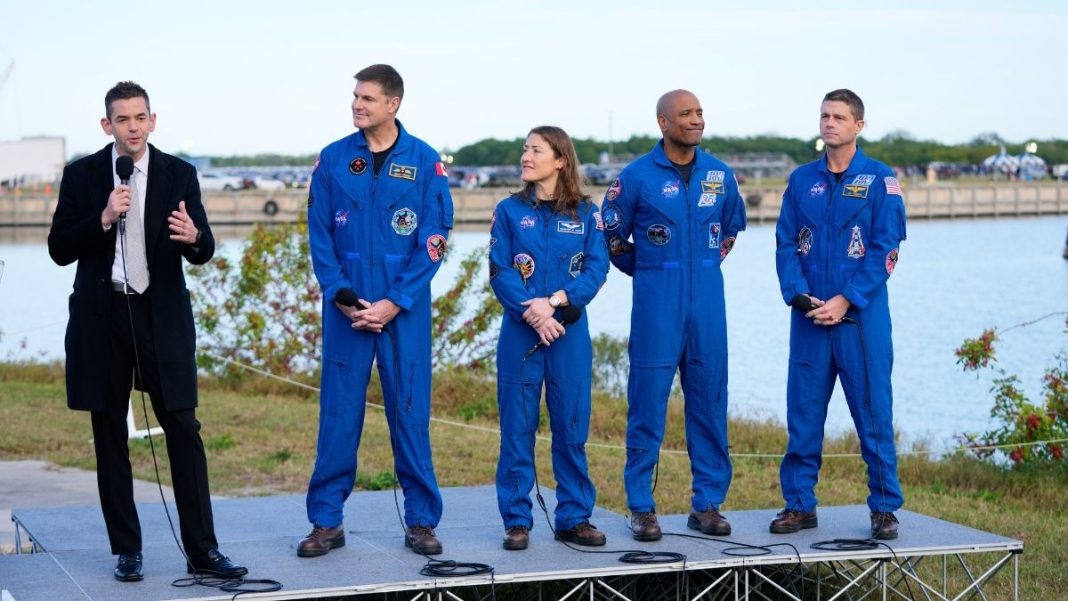
Nasa chief Jared Isaacman has confirmed that the ambitious Artemis-II mission to the Moon has hit a celestial roadblock. Originally slated to blast off on March 6, the mission is now officially cancelled for the upcoming window.
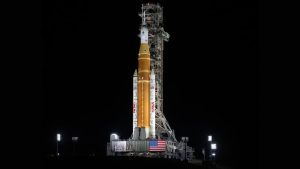
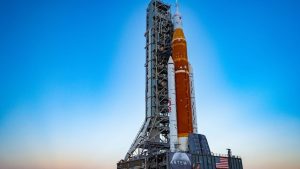
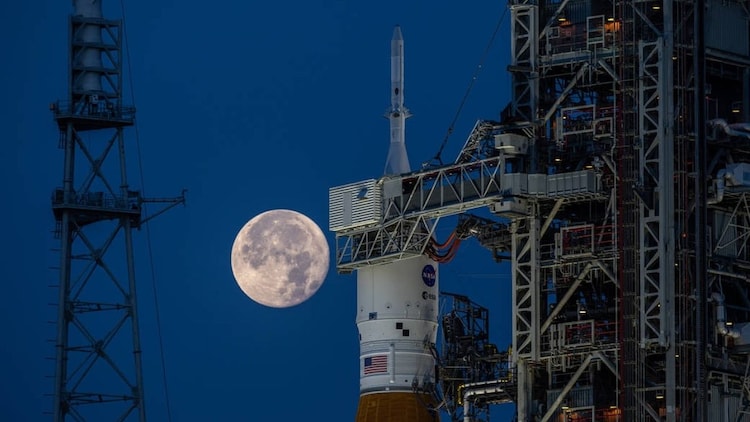
The massive Space Launch System (SLS) rocket must be rolled back from the launch pad to the safety of the hangar, as engineers scramble to fix a stubborn technical glitch.
While this giant machine is the most powerful rocket ever built, even a tiny valve can bring a lunar dream to a standstill.
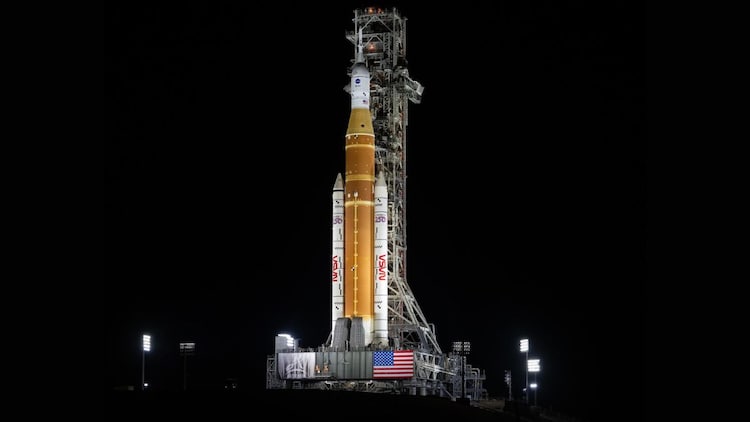
The trouble started on the evening of February 20 during a routine operation to repressurise the systems.
The culprit is the helium supply within the Interim Cryogenic Propulsion Stage or ICPS. Helium is the unsung hero of rocketry; it is used for an engine purge, which means blowing out any leftover fuel or air to keep the engines clean and safe from combustion.
It also helps with LH2 (liquid hydrogen) and LOX (liquid oxygen) tank pressurisation. This means the helium gas acts like a giant piston, pushing the super-chilled liquid fuel and oxygen out of their storage tanks and into the engines so they can burn.
At the very top of this massive rocket sits the Orion spacecraft, the minibus-sized capsule that will serve as the safe home for four astronauts during their 10-day journey around the Moon.
Curiously, Isaacman noted that these systems worked perfectly during previous rehearsals, but the failure signature seen now is hauntingly similar to one observed during the uncrewed Artemis I mission in 2022.
On February 20, the team simply could not get helium to flow into the vehicle. This could be due to a fault in the umbilical, the massive arm that feeds the rocket on the pad, or a failed check valve inside the rocket itself.
Isaacman drew parallels to the 1960s, reminding the public that even legends like Neil Armstrong faced setbacks. Armstrong spent less than 11 hours in space during the Gemini 8 mission before a technical issue ended it early, yet he became the first man to walk on the Moon just three years later.
Currently, the vehicle is in a safe state using a ground ECS purge. This Environmental Control System acts like an external life support for the rocket, but the machine cannot fly while tethered to the ground.
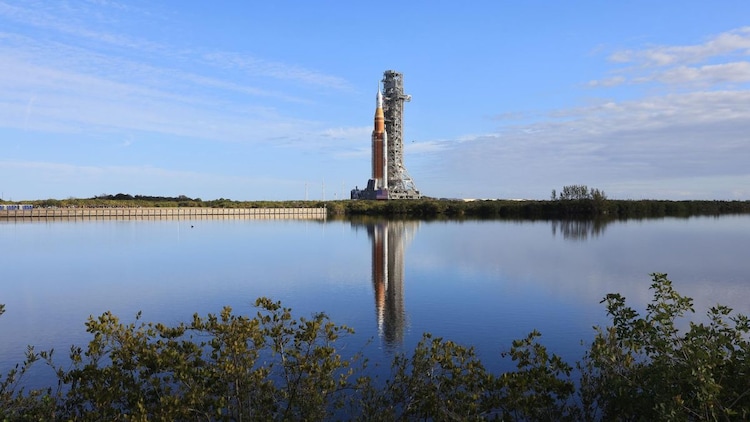
Because the suspect parts, such as the QD (Quick Disconnect) umbilical interface or internal filters, are buried deep within the architecture, they can only be fixed inside the Vehicle Assembly Building or VAB.
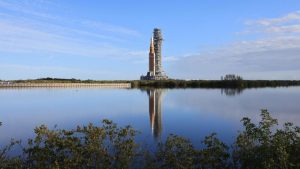
The 322-foot rocket must now make the slow journey back on a giant crawler. This rollback ensures that when humans do return to the Moon, they do so with a flawless vehicle that meets the vision of staying there permanently.
WHY IS THE HELIUM PURGE SO CRITICAL FOR THE SLS?
The helium purge acts like a high-pressure cleaning system for the SLS rocket.
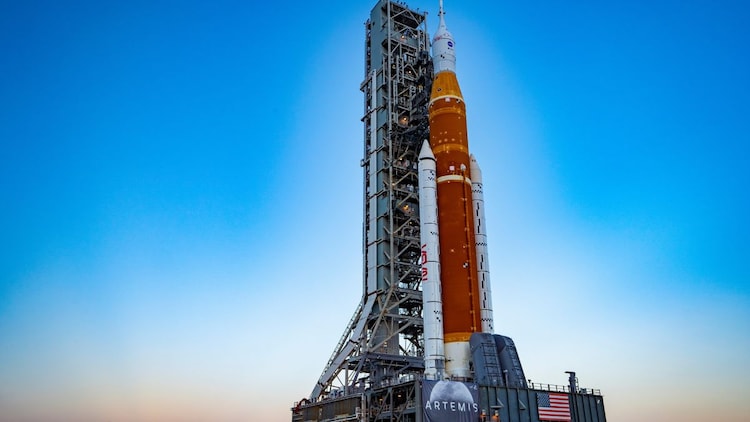
Before the engines fire, helium gas is forced through the pipes to clear any moisture or fuel that could cause a fire. If the purge fails, the engines could experience a catastrophic failure during the climb to the Moon.
HOW DOES THE UMBILICAL INTERFACE WORK ON THE PAD?
The umbilical is the life-support cord for the rocket on the launch pad. It uses a Quick Disconnect interface, which is a heavy-duty plug designed to detach instantly as the rocket lifts off, to provide helium and electricity.
If this plug has a leak or a blockage, the rocket becomes an expensive statue. Accessing these interfaces requires the specialised platforms only found inside the VAB.
WHAT CAN WE LEARN FROM THE LEGACY OF NEIL ARMSTRONG?
History shows that setbacks are part of the journey. From the premature end of Gemini 8 to the issues with Artemis I, every failure provides data to make the next mission safer.
Isaacman emphasises that the goal is to surpass Apollo by building a sustainable Moon base and continuous lunar missions.