
If Indian summers feel like they begin earlier and drag on longer every year, that is not just a feeling. Experts have found that it is exactly what is happening.
Researchers at the University of British Columbia analysed temperature data spanning 1961 to 2023 across land, ocean, and coastal zones in both hemispheres.
They found that between 1990 and 2023, the average summer between the tropics and the polar circles grew about six days longer per decade.
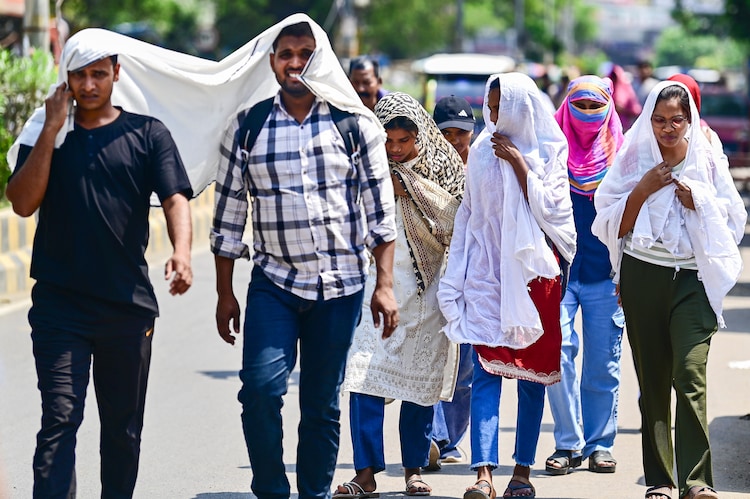
Earlier research, which looked only up to the early 2010s, had found the rate to be around four days per decade. In other words, summers are expanding roughly 50% faster than scientists previously reported.
The team did not use the calendar, which usually points to summer as the season from June to August in the Northern Hemisphere, and December to February in the Southern Hemisphere.
Instead, they defined summer by the weather itself; the stretch of days each year when temperatures climb above what was historically typical for a given location, based on a baseline from 1961 to 1990.
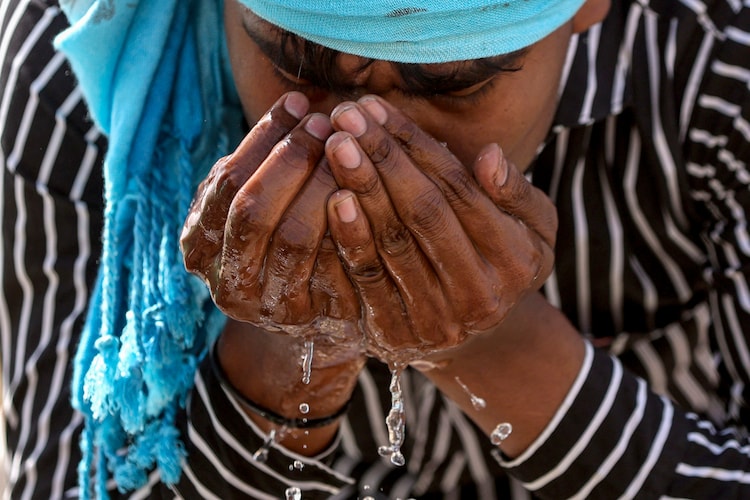
ARE SUMMERS GETTING WORSE?
The study also found that seasonal transitions are becoming more abrupt. Meaning, summer-like temperatures now arrive more suddenly, instead of through a gradual warm-up.
That much has already been experienced in India this year, where winters ended prematurely in February and the weather turned warm. As it is, the winter was not how it traditionally is in India, with only a few cold spells, a complete lack of winter rain and snow.
“These findings challenge what we believe to be the normal cycle of the seasons,” said lead author Ted Scott, a PhD student in UBC’s department of geography. “When summer happens and how quickly it arrives impact patterns and behaviours in plant and animal life, and human society.”

For India, where agriculture, water supply, and public health are all dependent on seasonal rhythms, the implications are significant.
Flowers may bloom before their pollinators arrive; crops may need to be planted earlier; faster spring warming could accelerate snowmelt in the Himalayas, raising flood risk downstream.
The study also introduced a new measure of cumulative heat, combining temperature and duration. In doing so, it found that accumulated summer heat over Northern Hemisphere land is rising more than three times faster since 1990 than it did in the three decades before.

“The changes may be very disruptive to a wide range of systems,” said Scott. “An expectation in the Northern Hemisphere that June is when summer starts may be ingrained in planning and policy, meaning we could be ill-prepared for earlier heat.”
Several states, including Delhi-NCR, have started to feel the heat already and weather forecasts have confirmed that this is just the beginning as warmer spells await. We are in for a hot summer.