
Scientists discover never-before-heard disease in the gut. Here’s what it is

For millions battling stubborn constipation that no laxative seems to fix, relief may finally be in sight.

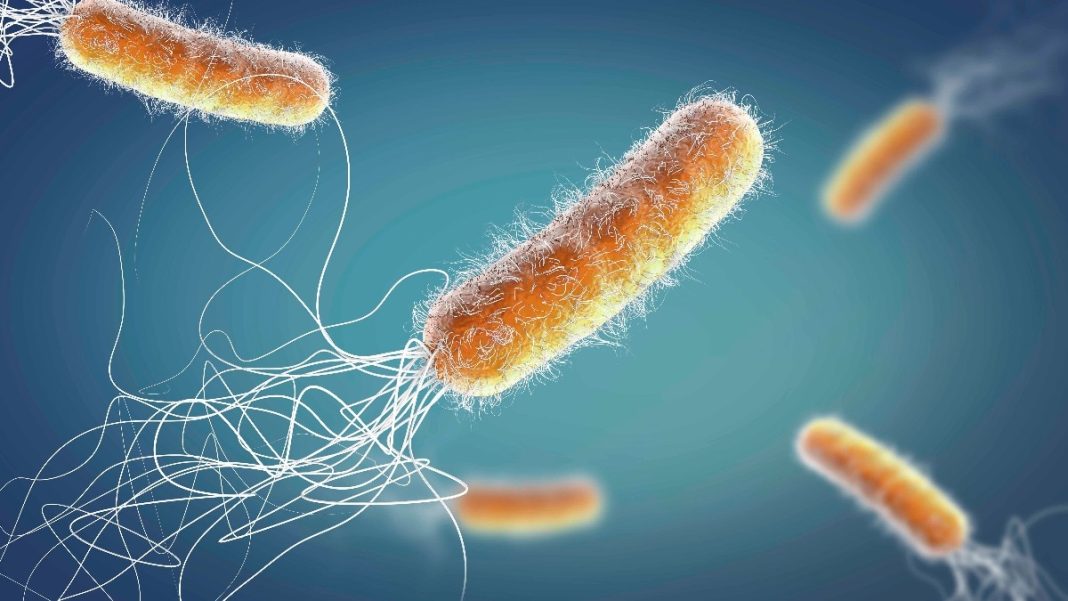
Scientists at Nagoya University in Japan have identified a brand-new condition they are calling “bacterial constipation”.

According to them, it is caused not by slow guts, but by two everyday bacteria teaming up to destroy the protective mucus that keeps our stools soft and moving smoothly.
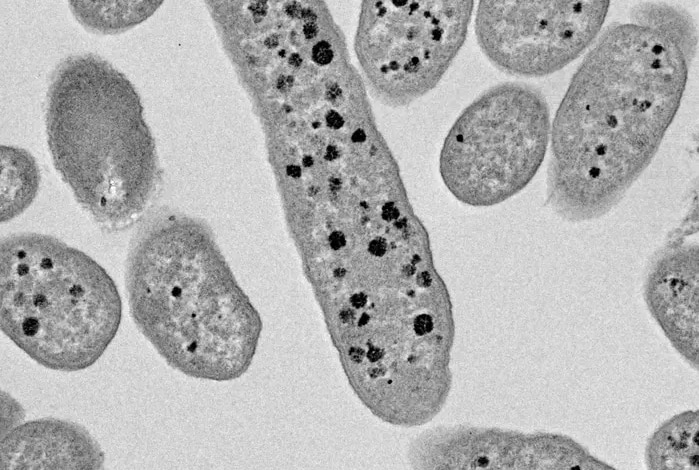
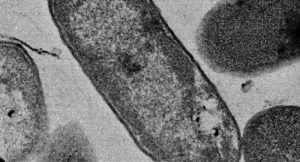
Bacteroides thetaiotaomicron removes protective sulfate groups from intestinal mucin. (Photo: EurekAlert)

Bacteroides thetaiotaomicron removes protective sulfate groups from intestinal mucin. (Photo: EurekAlert)

WHAT IS BACTERIAL CONSTIPATION?

The problem lies in the thick, gel-like colonic mucin that lines the large intestine and keeps the stool moist.

When this mucus layer breaks down too much, stools turn hard, dry and difficult to pass, even if the gut muscles are working fine.

Standard treatments fail because they target movement, not the missing moisture.

The culprits behind this condition are Bacteroides thetaiotaomicron and Akkermansia muciniphila. They work as a team.

Bacteroides thetaiotaomicron first strips away protective sulphate groups from the mucin using a special enzyme called sulfatase.

Then Akkermansia muciniphila moves in and eats the now-exposed mucin.

The result? The stool loses its natural lubrication and gets stuck.
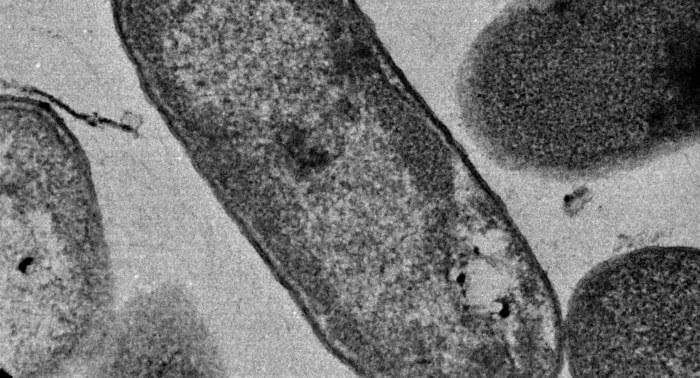
Akkermansia muciniphila completes the degradation process by consuming intestinal mucin. (Photo: EurekAlert)

Akkermansia muciniphila completes the degradation process by consuming intestinal mucin. (Photo: EurekAlert)

HOW CAN CONSTIPATION BE CURED?

People with Parkinson’s often suffer severe constipation for 20 to 30 years before tremors appear.

The study found higher levels of these mucus-degrading bacteria in Parkinson’s patients, suggesting the microbes play a bigger role than nerve damage alone.

This discovery could finally explain why their constipation is so hard to treat.

The question is, can this be fixed?

Lead author Tomonari Hamaguchi and his team proved that it can be fixed.

“We genetically modified B. thetaiotaomicron so it could no longer activate the enzyme sulfatase that removes sulfate groups from mucin,” Hamaguchi explained.

The team then added the modified bacteria along with Akkermansia muciniphila into germ-free mice. The result was clear.

“We put these modified bacteria into germ-free mice together with Akkermansia muciniphila, and surprisingly, the mice did not develop constipation; the mucin stayed protected and intact.”

The findings, published in the journal Gut Microbes, open the door to new drugs that block the sulfatase enzyme, offering real hope for the millions with chronic idiopathic constipation and Parkinson’s-related gut problems.

This simple bacterial discovery could change how doctors treat one of the most common yet frustrating digestive issues worldwide.
Latest

Rain hits Delhi amid rising heat: What’s going on with the weather?

Triggered by a weak Western Disturbance, Delhi saw sudden cloud cover, gusty winds and light to moderate rain, bringing a temporary dip in temperatures without

Days after returning from the Moon, Artemis-2 astronauts begin moonwalk training

The timing of the training makes sense as the astronauts’ bodies are still adjusting to Earth’s gravity, their muscles and sense of balance feel off, simila

Satellites to surgery: How Isro’s space tech is entering hospitals’ operating theatre

Nasa began exploring remote surgery for astronauts in the 1970s, but the machines were too bulky, and the idea was shelved. The Moon Man of India, in an exclusi

Rain arrives in Delhi. Other states await similar relief from heat

Around 70% of the region, however, will remain dry and showers will provide only short-lived cooling after a hot afternoon, with temperatures likely to rebound

Indian summers are changing for good. They are getting longer and hotter

For India, where agriculture, water supply, and public health are all dependent on seasonal rhythms, the implications are significant. 

Topics

Bengal elections: AI, body cams and 100-metre ‘Lakshman Rekha’ to guard booths

A sweeping security overhaul, AI surveillance, and a strict no-entry zone promise to transform voting in West Bengal. But how will this unprecedented plan tackl

CBSE 3-language policy push: What happens to foreign languages and teachers now?

CBSE’s three-language rule is not just about adding one more subject. It raises a harder question: in schools that already teach French, Spanish, German and o

Who is Srinivas Narayanan? IIT Madras graduate behind ChatGPT growth exits OpenAI

OpenAI executive Srinivas Narayanan, an IIT Madras alumnus who helped scale ChatGPT and API products, has announced his exit after three years. He said he plans

Bhubaneswar boy scores perfect 100% in CBSE Class 10, now targets NEET

A Bhubaneswar student, Ayusman scored 100% in CBSE Class 10 board results. Starting the preparation from March-April, he says he focused on consistency, concept

KV schools are topping India’s boards. So why are bureaucrats opting out?

How Kendriya Vidyalayas' demographic shift reflects broader educational trends

MVA faces consensus challenge ahead of MLC polls, Mahayuti may secure majority

Can Thackeray's candidacy unify MVA for upcoming MLC elections?

Word of the day: What ‘alacrity’ means and how to use it right

The word of the Day for April 18 is: Alacrity. Learn what it means and how to use it in daily conversation. Add it to your vocabulary and impress everyone aroun

Quote of the day by Ratan Tata: I don’t believe in work-life balance. I believe in…

Powerful words by Ratan Tata inspire millions seeking success, happiness, and purpose in life. Discover his wisdom on work-life integration, leadership, persona
spot_img

Related Articles

Popular Categories

spot_imgspot_img

