
A year after NVS-02 satellite’s failure, Isro explains what went wrong in space

Over a year after the NVS-02 navigation satellite failed to reach its intended orbit, the Indian Space Research Organisation (Isro) has revealed what caused the mission setback and the corrective steps taken since then.

NVS-02, the second satellite in India’s NVS navigation series, was launched successfully on January 29, 2025 aboard the GSLV-F15 rocket. The spacecraft was placed into an elliptical transfer orbit measuring 170 km at its closest point to Earth and 37,785 km at its farthest.

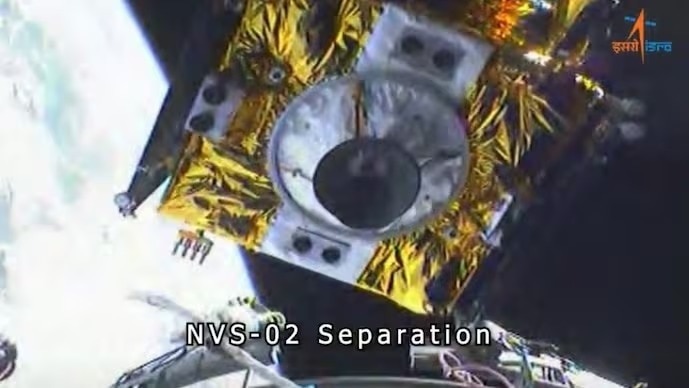
The satellite separated normally from the rocket, and initial operations, including deployment of its solar panels and stabilising its orientation for power generation, were completed without issue.
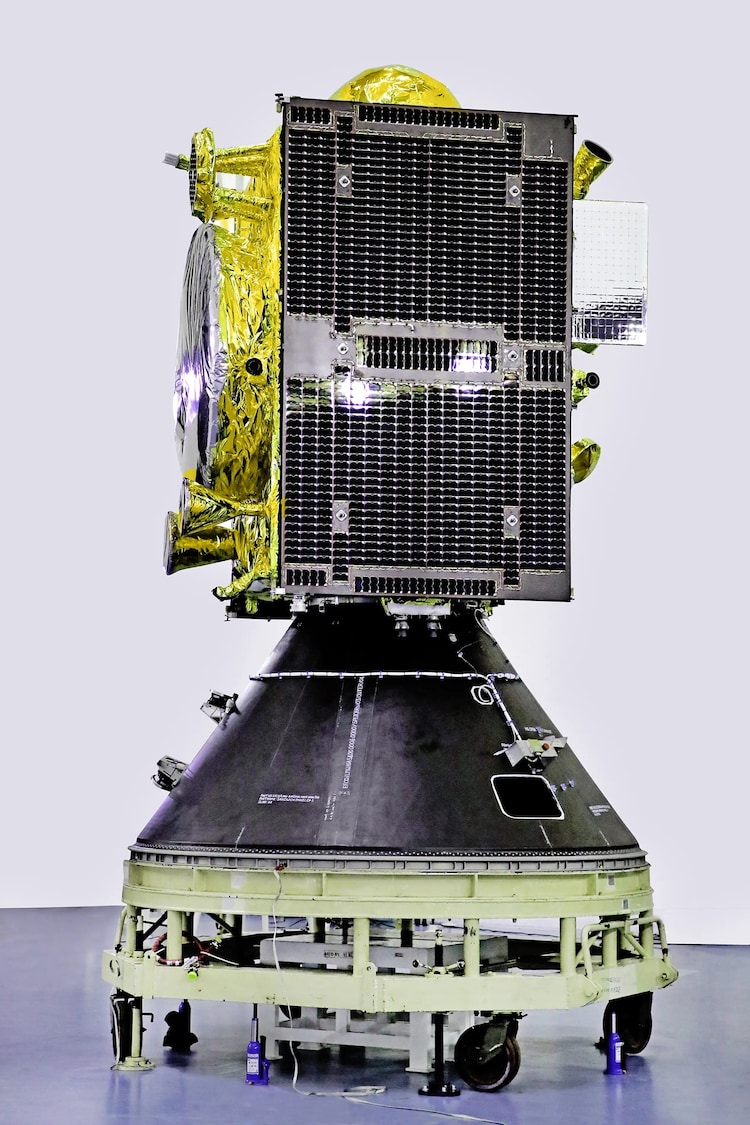
NVS-02 satellite

Isro said the investigation led to a set of recommendations to improve redundancy. (Photo: Isro)

However, the next critical step, raising the satellite from its elongated elliptical path into a circular operational orbit, could not be performed.

Isro constituted an Apex Committee to investigate the anomaly. After reviewing telemetry data (signals sent back by the satellite about its health and systems) and running detailed simulations, the panel identified the root cause.

According to Isro, the problem occurred in the “pyro valve” system of the satellite’s propulsion setup. A pyro valve is a small explosive-triggered device used to open fuel lines in spacecraft engines. In simple terms, it acts like a one-time switch that allows propellant, in this case, oxidizer, a chemical that helps fuel burn in space, to flow into the engine for orbit-raising maneuvers.

The committee found that the electrical drive signal meant to trigger the oxidizer-line pyro valve did not reach it.

The most likely reason was that at least one electrical contact inside a connector became disengaged in both the main and backup circuits. Because the valve never opened, the engine could not fire, preventing the spacecraft from moving into its final orbit.
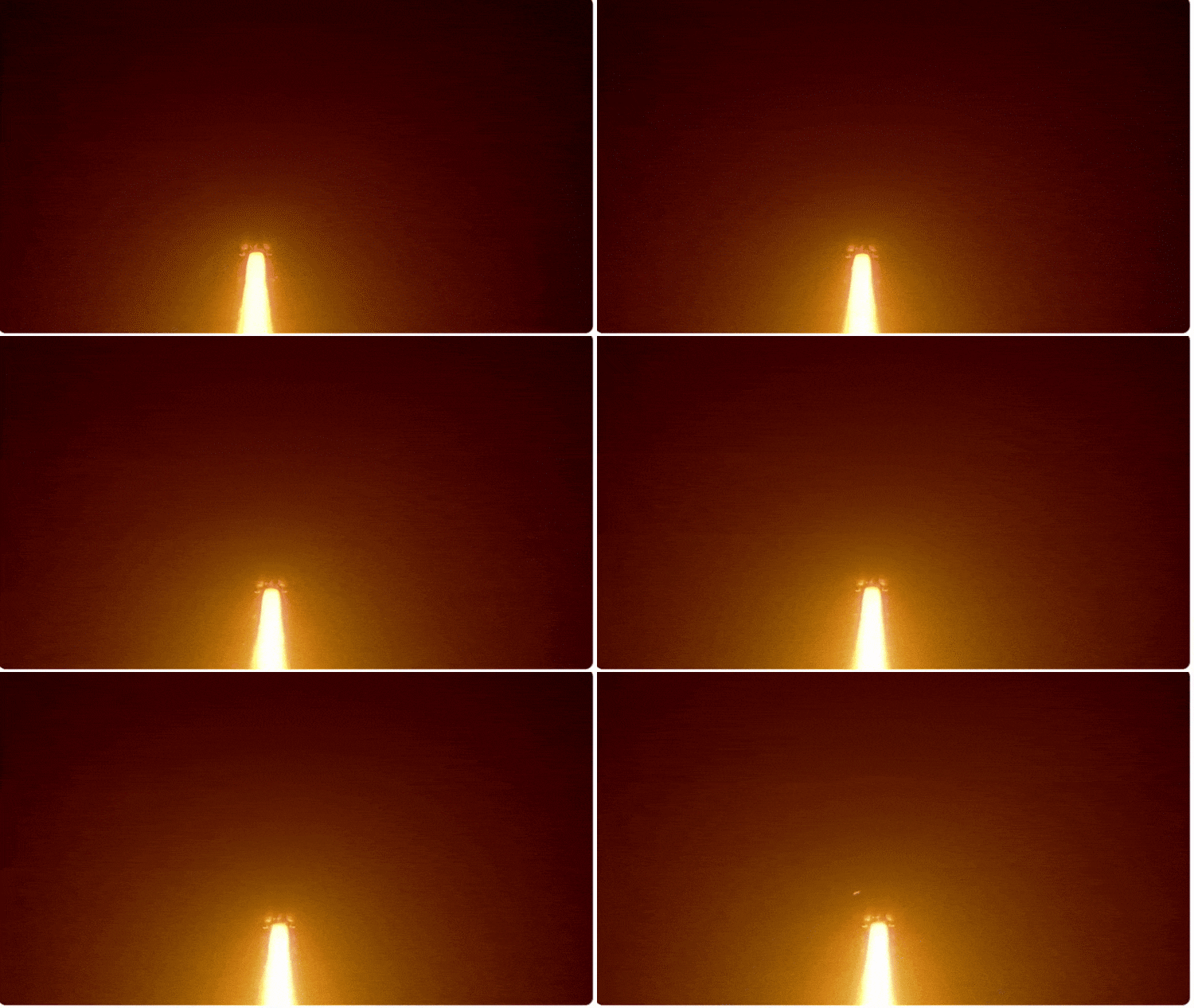
GSLV

Isro said the investigation led to a set of recommendations to improve redundancy, meaning having stronger backup systems, and increase the reliability of pyro mechanisms in future missions.

These corrective measures were implemented in the CMS-03 spacecraft, which was launched on November 2, 2025 aboard the LVM-3 M5. Isro confirmed that the pyro systems on CMS-03 functioned normally, and the satellite was successfully placed into its intended orbit.

The space agency stated that the lessons learned from NVS-02 will be applied to all future missions, reinforcing safeguards to prevent similar issues. The disclosure marks a rare and detailed public explanation of a technical anomaly, showing Isro’s focus on transparency and mission reliability.
Latest

Rain hits Delhi amid rising heat: What’s going on with the weather?

Triggered by a weak Western Disturbance, Delhi saw sudden cloud cover, gusty winds and light to moderate rain, bringing a temporary dip in temperatures without

Days after returning from the Moon, Artemis-2 astronauts begin moonwalk training

The timing of the training makes sense as the astronauts’ bodies are still adjusting to Earth’s gravity, their muscles and sense of balance feel off, simila

Satellites to surgery: How Isro’s space tech is entering hospitals’ operating theatre

Nasa began exploring remote surgery for astronauts in the 1970s, but the machines were too bulky, and the idea was shelved. The Moon Man of India, in an exclusi

Rain arrives in Delhi. Other states await similar relief from heat

Around 70% of the region, however, will remain dry and showers will provide only short-lived cooling after a hot afternoon, with temperatures likely to rebound

Indian summers are changing for good. They are getting longer and hotter

For India, where agriculture, water supply, and public health are all dependent on seasonal rhythms, the implications are significant. 

Topics

Who is Srinivas Narayanan? IIT Madras graduate behind ChatGPT growth exits OpenAI

OpenAI executive Srinivas Narayanan, an IIT Madras alumnus who helped scale ChatGPT and API products, has announced his exit after three years. He said he plans

Bhubaneswar boy scores perfect 100% in CBSE Class 10, now targets NEET

A Bhubaneswar student, Ayusman scored 100% in CBSE Class 10 board results. Starting the preparation from March-April, he says he focused on consistency, concept

KV schools are topping India’s boards. So why are bureaucrats opting out?

How Kendriya Vidyalayas' demographic shift reflects broader educational trends

MVA faces consensus challenge ahead of MLC polls, Mahayuti may secure majority

Can Thackeray's candidacy unify MVA for upcoming MLC elections?

Word of the day: What ‘alacrity’ means and how to use it right

The word of the Day for April 18 is: Alacrity. Learn what it means and how to use it in daily conversation. Add it to your vocabulary and impress everyone aroun

Quote of the day by Ratan Tata: I don’t believe in work-life balance. I believe in…

Powerful words by Ratan Tata inspire millions seeking success, happiness, and purpose in life. Discover his wisdom on work-life integration, leadership, persona

Not going anywhere: Iran rejects Trump’s plan to transfer uranium to US

Iran denied any plan to transfer enriched uranium to the US, contradicting Trump’s claims, as both sides continue negotiations amid disagreements over nuclear

Mystery flights: Four Chinese aircraft switch off before landing in Iran

Reports claim four Chinese cargo planes switched off transponders mid-flight and landed in Iran within 48 hours, raising concerns over possible arms shipments,
spot_img

Related Articles

Popular Categories

spot_imgspot_img

