
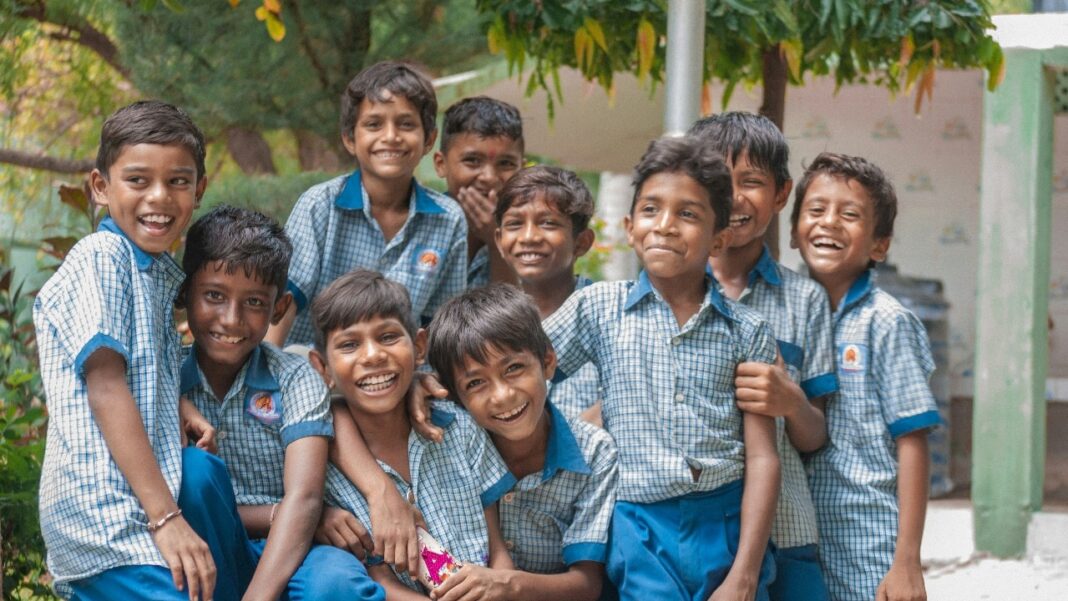
In a unique move aimed at improving students’ confidence and identity, the Rajasthan government has launched the “Saarthak Naam Abhiyan” (Meaningful Names Campaign) across government schools.
The initiative seeks to replace names considered inappropriate, unclear, or carrying negative meanings with more meaningful and respectful alternatives.
The campaign, led by the state education department, targets students from Classes 1 to 9. It comes amid concerns that certain traditional or colloquial names may lead to embarrassment, social discomfort, or even absenteeism among children.
Education Minister Madan Dilawar said that names are often given without considering their long-term impact.
“Sometimes parents choose names without being aware of their meanings or for social reasons, but later children may develop a sense of inferiority because of them,” he said.
WHY THE GOVERNMENT IS STEPPING IN
The campaign is rooted in the belief that a name plays a crucial role in shaping a child’s self-esteem and personality.
According to officials, names such as “Gheesa”, “Kajodmal”, “Sheru”, “Kalu”, “Chhotu”, “Bablu”, and “Shaitaan” have been identified as potentially problematic in social settings.
“The department believes that a person’s name reflects his or her social identity and values, and negative or flawed names can adversely impact a child’s mental development and confidence,” Dilawar added.
To address this, the education department has prepared a curated list of nearly 3,000 names. This includes around 1,409 names for boys and over 1,500 for girls, each accompanied by its meaning and zodiac relevance, helping parents make informed choices.
HOW THE PROCESS WILL WORK
The initiative will be implemented through schools, with teachers engaging parents during parent-teacher meetings. Importantly, the process is voluntary and requires written parental consent.
- Applicable for students from Classes 1 to 9
- Written approval from parents mandatory
- Names to be updated on official education portals
- Provision to update past records for older students
Officials estimate that around 2,000 to 3,000 students across government and private schools may benefit from the exercise.
FOCUS ON IDENTITY AND SOCIAL CHANGE
Beyond individual confidence, the campaign also attempts to address deeper social concerns. The minister highlighted that caste-based or derogatory surnames, still prevalent in some rural areas, should be discouraged.
“Words that have historically been used in a derogatory manner should not be recorded. Respectful alternatives must be adopted,” he said.
The move is being positioned as a step towards creating a more inclusive and respectful educational environment.
OPPOSITION PUSHBACK AND DEBATE
However, the campaign has not been without controversy. Opposition leaders have criticised it as an overreach into personal matters.
Senior Congress leader Pratap Singh Khachariyawas argued that naming a child is a parent’s fundamental right and should not involve government intervention.
Others raised concerns about whether the campaign could impose a particular cultural or ideological framework.
THE BIGGER PICTURE
While supporters see the initiative as a progressive reform aimed at improving student well-being, critics question its implications for personal freedom.
As schools begin discussions with parents, the success of the campaign will largely depend on public acceptance, and whether it truly succeeds in boosting students’ confidence without crossing into sensitive personal territory.


