
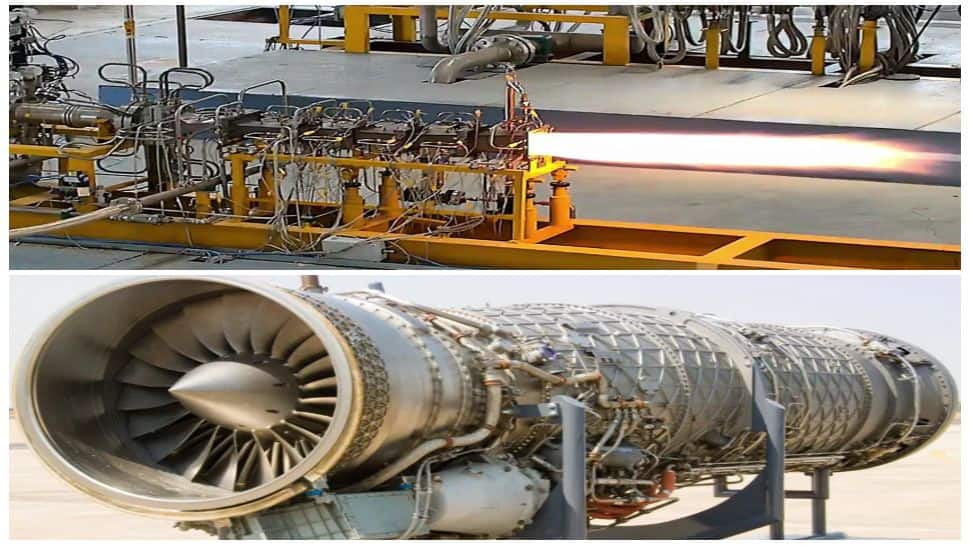
India has successfully tested a scramjet engine, joining an elite group of nations with hypersonic technology. This breakthrough raises a key question: why can’t this ultra-fast engine power our fighter jets?
Key Differences: Scramjet vs. Conventional Jet Engines
Both are air-breathing engines, but their operation at different speeds sets them apart.
How a Conventional Jet Engine Works
Engines on fighters like the or Rafale use rotating compressors to slow incoming air to subsonic speeds for combustion.
- Speed Limit: Mechanical parts fail above Mach 2.5-3 due to extreme heat and pressure.
- Best For: Subsonic to supersonic flight (Mach 0 to ~3).
How a Scramjet Engine Works
A Scramjet (Supersonic Combustion Ramjet) has no moving parts. It uses the vehicle’s own high speed to compress air.
- Intake: At Mach 5+, air is rammed in and compressed while remaining supersonic.
- Combustion: Fuel must mix and burn within milliseconds in this supersonic flow—the core technical challenge.
- Key Drawback: It cannot start from zero; it needs a rocket booster to reach Mach 4-5 first.
Why Scramjets Aren’t for Fighter Jets
The mismatch is fundamental, stemming from operational needs and physics.
- No Take-Off Power: A scramjet produces zero thrust at standstill. A fighter cannot take off from a runway with it.
- Wrong Speed Range: Air combat happens between Mach 0-2.5. Scramjets only work efficiently above Mach 5.
- Extreme Heat: Hypersonic flight generates temperatures exceeding 2000°C, far beyond current fighter jet materials.
- Specialist Design: Scramjets are built into specific vehicles like missiles or spaceplanes, not as standalone fighter engines.
Significance of India’s Scramjet Breakthrough
Mastering supersonic combustion, likely via the program, is a pivotal step for future systems.
- Hypersonic Missiles: Enables development of fast, manoeuvrable missiles that are hard to intercept.
- Space Access: Paves the way for advanced, reusable launch vehicles, reducing satellite deployment costs.
- Next-Gen Platforms: Lays the technological foundation for future defence and aerospace systems.
In summary, the jet engine remains the versatile backbone of tactical aviation. India’s scramjet success opens the door to the hypersonic domain—a realm for specialised vehicles, not fighter cockpits.


