Key Takeaways
- ISRO grounds all PSLV launches after second consecutive third-stage failure.
- 16 satellites, including a critical DRDO surveillance payload, were lost.
- A Failure Analysis Committee will investigate the January 12, 2026 anomaly.
- The grounding will delay ISRO’s 2026 launch manifest and impact commercial missions.
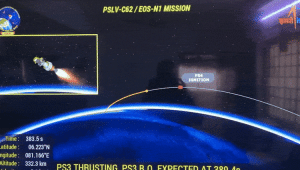
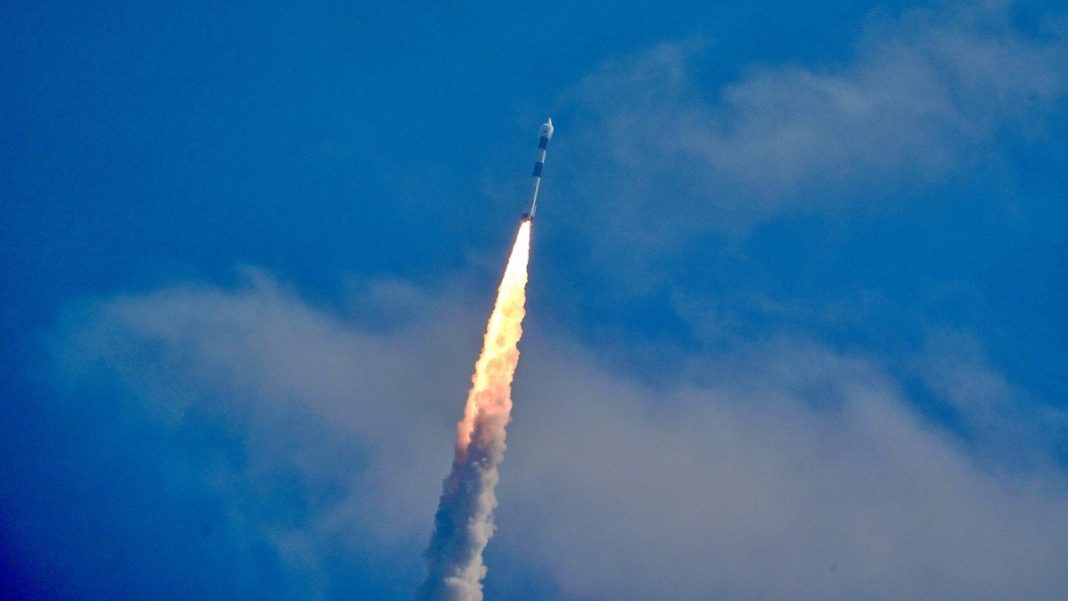
India’s Polar Satellite Launch Vehicle (PSLV) has been grounded following its second consecutive failure in under a year. The PSLV-C62 mission on January 12, 2026, ended with the loss of 16 satellites, including the DRDO’s vital EOS-N1 surveillance satellite, after a third-stage anomaly.
ISRO has initiated a standard procedure, halting all PSLV flights pending a thorough investigation. An internal Failure Analysis Committee (FAC) is now dissecting gigabytes of telemetry data. The focus is on a sudden pressure drop and roll disturbances in the PS3 stage that deviated the rocket from its planned Sun-Synchronous Orbit.
This failure mirrors issues identified in the previous PSLV-C61 mission in May 2025, such as potential flex-nozzle leaks or propellant problems. The repeat incident has raised serious concerns over quality control in the rocket’s solid-fuel motors.
Analysts are calling for an external audit by independent propulsion experts to ensure a transparent root-cause analysis. Such scrutiny may involve global partners to rebuild confidence before commercial launches resume via NewSpace India Limited (NSIL).
Ripple Effects on ISRO’s 2026 Plans
The grounding will significantly disrupt ISRO’s ambitious launch schedule for 2026. Delays are expected for key Earth observation, navigation (NavIC), and international customer missions.
The failure of PSLV-C62, which carried 15 co-passenger satellites, has shaken commercial confidence. NSIL now faces immense pressure to reschedule payloads amid India’s growing private space sector.
Strategically, the DRDO must expedite replacements for the lost Anvesha-series satellite to address surveillance gaps. ISRO is likely to prioritise its heavier GSLV and LVM3 rockets as alternatives in the interim.
While critics have questioned the initial opacity surrounding the “disturbance,” ISRO vows a swift return to flight. A silver lining emerged from the mission: data from Orbital Paradigm’s KID capsule successfully validated private sector innovation during re-entry.
Despite the setback, ISRO has a strong track record of recovering from failures. The internal review aims to swiftly address the issues plaguing one of India’s most reliable launch vehicles.