
Key Takeaways
- Figure AI CEO Brett Adcock predicts humanoid robots will be the next major technological revolution
- Current humanoids can work nearly full shifts and are becoming commercially viable
- Voice interfaces will become the default for AI systems within 12-18 months
- U.S. leads in AI-driven systems while China focuses on hardware manufacturing
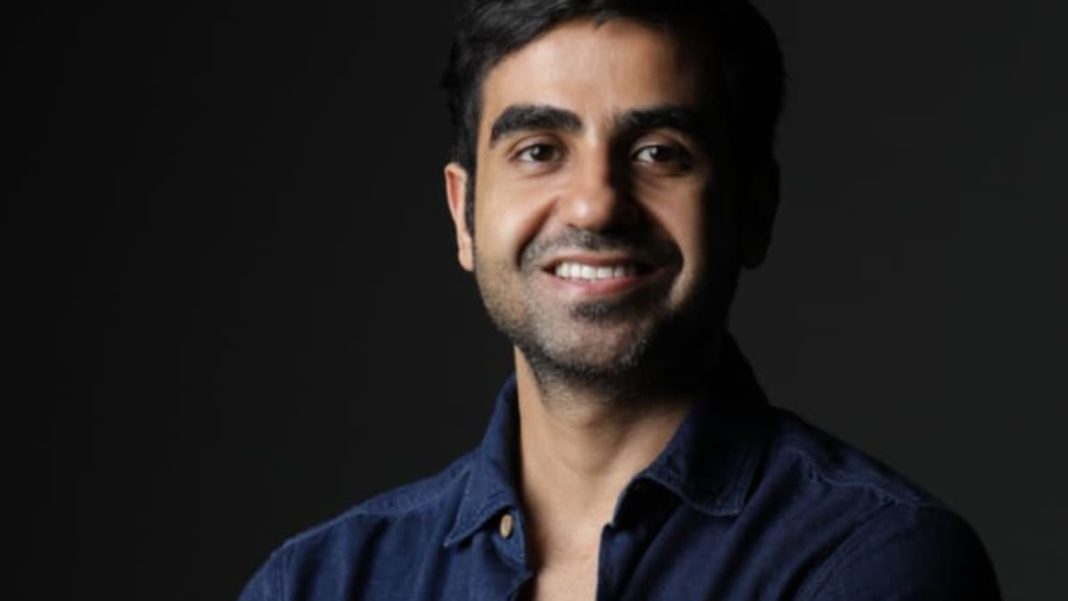
Brett Adcock, Founder and CEO of Figure AI, believes humanoid robotics represents the next great leap in human productivity and technological progress. In a conversation with entrepreneur Nikhil Kamath on WTF Online, Adcock outlined how billions of humanoids could soon transform daily life, industries, and the global economy.
The Vision: Humanoids as Productivity Revolution
Adcock described humanoids as more than just advanced technology – they represent the next evolution in human productivity. “Humanoids represent not just a technological frontier, but the next great evolution in human productivity and progress,” he stated during the interview.
Figure AI’s approach combines hardware, artificial intelligence, and data in one of the most vertically integrated robotics efforts today. The company aims to build robots capable of learning and functioning autonomously in human environments, eventually performing household chores and revolutionizing logistics, manufacturing, and healthcare.
Technical Challenges and Current Capabilities
Despite the ambitious vision, Adcock acknowledged significant technical hurdles. “Today, we are far less efficient than a human. Humans are extremely efficient,” he said, referring to energy consumption and adaptability challenges.
However, current humanoids have reached an important milestone – they can work for nearly full human shifts, making them commercially viable. The next critical step is achieving general intelligence where robots can handle unfamiliar environments through voice commands and perform complex tasks like folding laundry.
Voice as the Future Interface
Adcock predicted that voice will soon become the primary interface for intelligent systems. “Voice is the natural UI into artificial superintelligence,” he explained, forecasting that within 12 to 18 months, voice models will achieve near-human emotional intelligence and contextual understanding.
Global Race and Manufacturing Realities
The conversation highlighted the international competition in humanoid robotics. According to Adcock, the United States currently leads in AI-driven systems, while Chinese competitors focus more on hardware manufacturing.
“There is a ton of manufacturing capacity in China, but the robots they make just don’t work very well,” Adcock observed. “What matters is shipping a product at scale that can generate the data to increase intelligence and reduce cost.”
Safety Concerns and Future Impact
Addressing safety questions, Adcock was straightforward about current limitations. When asked if he would leave his children alone with a humanoid, he responded: “I would not let my robot roam free for hours and weeks right now with my young kids.” Achieving that level of trust, he noted, requires a proven track record of reliability.
Looking forward, Adcock predicted that AI systems and humanoids will “eat everything,” fundamentally transforming work and wealth creation. He envisions a future where “the prices of goods and services will slowly start collapsing, basically approaching zero,” leading to radical abundance and redefining human purpose in a post-labor world.


