
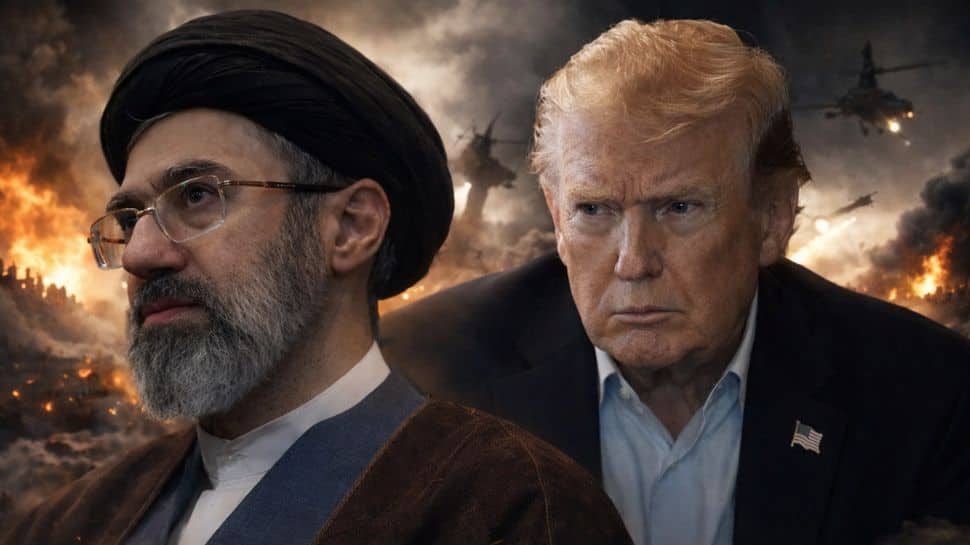
US-Iran tensions: The United States and Israel launched strikes against Iran on February 28, citing nuclear concerns, and marked the beginning of the latest tensions in the Middle East. The conflict continues, with disagreements over regional security and Tehran’s nuclear programme at the heart of the crisis.
Even as military pressure and economic stakes rise, US President Donald Trump’s remarks have added to the confusion and tension. In a post on Truth Social, he suggested that Tehran is struggling to present a unified negotiating stance.
“Iran is having a very hard time figuring out who their leader is! They just don’t know! The infighting is between the ‘Hardliners,’ who have been losing BADLY on the battlefield, and the ‘Moderates,’ who are not very moderate at all (but gaining respect!), is CRAZY!” Trump wrote.
Meanwhile, according to ANI, Seyyed Mehdi Tabatabaei, Deputy of Communications and Information Dissemination in the office of the President of Iran, said that assertions of division among Iran’s leadership are part of an “enemy’s unplayed political and propaganda game.”
Why Iran is reluctant to accept a US truce
1- Disagreement over core demands
A major roadblock remains the stark difference in expectations. While Washington is pushing for strict limits on Iran’s nuclear and missile programmes, Tehran continues to insist on sanctions relief.
2- Accusations of violations
Amid the tensions and a fragile agreement, there have been accusations of ceasefire violations, which makes the situation further difficult.
3- Strait of Hormuz as Leverage
The access and control of the Strait of Hormuz are key in the US-Iran peace negotiations. By tightening its grip over the shipping route, Tehran plans to strengthen its negotiating position.
4- Who can endure longer?
The US and Iran are engaged in a standoff, with each side believing it can outlast the other economically and militarily.
Strait of Hormuz tensions
The tensions in the Strait of Hormuz have added to global concerns, with the key oil shipping route significantly affected.
The waterway is a critical artery for global energy supplies, carrying roughly 20 per cent of the world’s oil exports.
Earlier this week, Trump announced an extension of the ceasefire; however, with both sides holding firm on their positions, prospects for a breakthrough remain uncertain at this point.
(with agencies’ inputs)


