
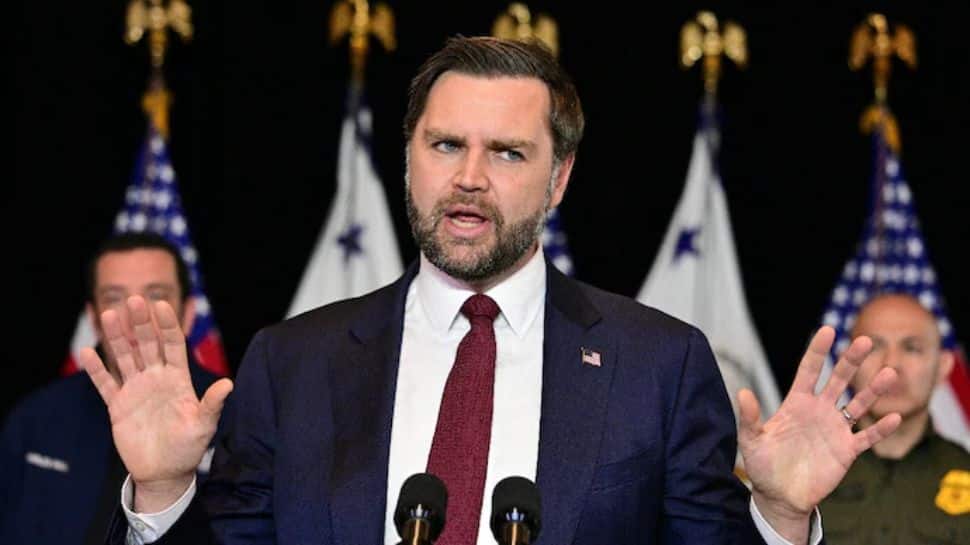
US-Iran Proposed Talks: As tensions between the United States and Iran continue, the possibility of talks has opened a new debate in American politics. The attention is no longer only on whether a deal will happen, but also on who will take the blame if it does not.
In Washington, this debate is picking up pace with each passing day. Many are now looking at how President Donald Trump has handled such situations in the past and whether the same approach is playing out again, this time with Vice President JD Vance in the spotlight.
Why Vance could face the heat
Trump’s political style is well known. He takes full credit when things go right, and puts the responsibility on others when things go wrong. In this situation, Vance was not directly involved in earlier military decisions, but he has now been pushed to the front of the negotiation process.
In this situation, if the talks fail, the impact could go beyond diplomacy and affect the vice president’s political future, especially with an eye on the 2028 elections.
A high-risk role with limited gains
Several reports claim that Vance has been placed in a position where the risks are high and the chances of success are uncertain. Political observers say this kind of arrangement makes it easier to assign blame later if things fall apart.
The concern is not only about the outcome of the talks, but also about how the result will be presented to the public.
Trump’s statement adds fuel to the debate
Recently, Trump made a comment during an Easter lunch has now become part of the debate. In a light tone, but with a clear message, he said that if the deal fails, he would blame Vance, and if it succeeds, he would take the credit.
The statement spread like a wildfire and is now being debated as a sign of how Trump might handle the situation if negotiations do not go as planned.
Could Israel also be blamed?
Within Republican circles, there is also talk about whether Israel could be drawn into the blame game if the situation worsens. As hopes for a positive outcome become uncertain, some supporters are exploring other possible explanations for failure.
This has added another layer to a complex political situation.
What could a ‘workable’ deal look like?
Analysts believe that a limited agreement may still be possible. One idea that is being talked about is that Iran could agree to reopen the Strait of Hormuz, while the United States reduces its military presence in the Persian Gulf.
Such a deal would ease immediate tensions but would not address deeper issues. It would not lead to regime change in Iran, nor would it fully stop its nuclear programme.
Risk of war and economic impact
The stakes are high. A military move by the United States could put thousands of soldiers at risk and widen the war across the region. At the same time, a full withdrawal without conditions could hurt America’s image and political standing across the world.
There is also concern about energy supply disruptions, which could affect international markets if the situation escalates.
Trump’s deal strategy under scrutiny
In recent weeks, Trump has used a mix of pressure and incentives to push Iran toward talks. He has extended deadlines while also warning of increased military action. This approach aims to keep Iran under pressure while leaving room for negotiation.
Even so, there is no clear indication of what the next step will be if Iran does not agree to terms.
Pressure builds as time runs out
With no clear outcome in sight so far, political and strategic pressure on Trump is increasing. Each passing day without progress is adding to the uncertainty.
The bigger question now is not only about the future of the talks, but also about how the outcome will be presented and who will be held responsible if things do not go as planned.


