
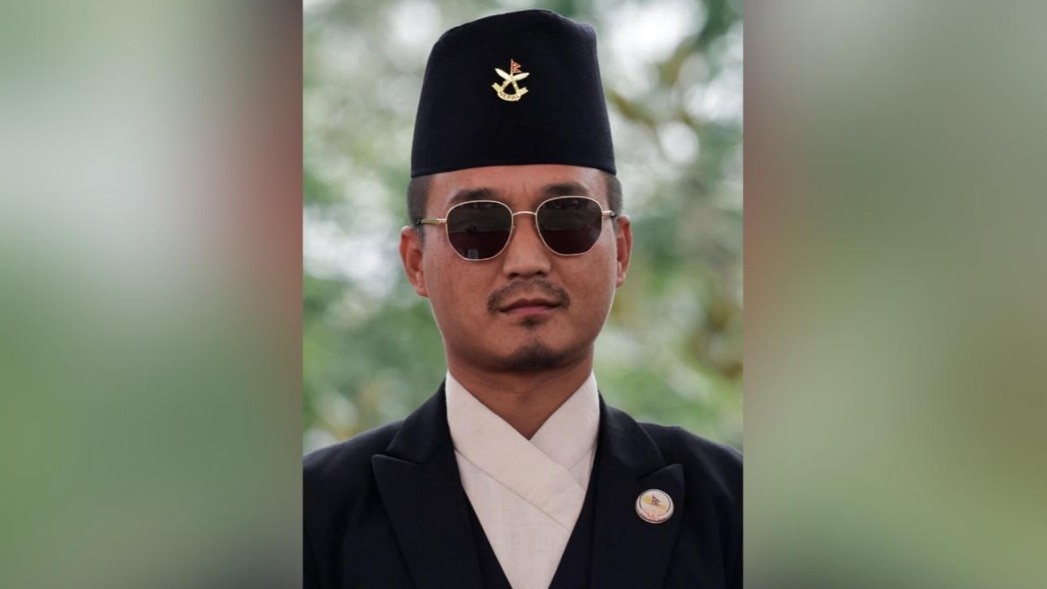
Nepal’s Home Minister Sudan Gurung resigned on Wednesday amid mounting scrutiny over his alleged financial links to a controversial businessman under investigation for money laundering, saying that “ethics is greater than position”.
Gurung announced his resignation through a Facebook post, saying that public trust must come before office. He said he was stepping down to ensure an impartial investigation into allegations surrounding his investments and to avoid any conflict of interest while serving in government.
“For me, ethics is greater than position, and there is no greater force than public trust,” he wrote, adding that Nepal’s emerging Gen Z-led movement demanding transparency and accountability had reinforced the need for clean public life and responsible leadership.
He also said the decision would allow probes related to him to proceed without influence or interference.
WHY DID SUDAN GURUNG RESIGN?
The resignation came after a controversy erupted over Gurung’s reported shareholdings in companies linked to businessman Deepak Bhatta, who is being investigated in a money laundering case. Documents made public in recent days showed Gurung held shares in Star Micro Insurance and Liberty Micro Insurance, firms allegedly associated with Bhatta, The Kathmandu Post reported.
In his statement, Gurung said he had taken seriously the public debate surrounding his financial disclosures and investments.
Gurung’s resignation also comes at a politically sensitive moment for Nepal, with the Shah government facing protests over customs enforcement at the India-Nepal border and the reported move to delink student unions from political groups.
The 38-year-old, who rose to prominence after the Gen Z protests last September and later won the Gorkha-1 seat in the March 5 general elections, submitted his resignation to Prime Minister Balendra Shah, popularly known as Balen Shah. He had been appointed Home Minister when Shah formed his Cabinet after taking office.
Gurung had earlier denied wrongdoing and pledged cooperation with investigators. In a Facebook post earlier this week, he dismissed what he described as rumours and urged distinction between allegations and verified facts.
He argued that his investments were declared assets acquired before taking office and maintained that a shareholding in a company did not automatically imply involvement with all associated individuals.
Gurung also said the investigation into Bhatta was being handled by the Department of Money Laundering Investigation under the Finance Ministry, not the Home Ministry, rejecting suggestions of institutional conflict, The Kathmandu Post reported.
Questions over his asset declaration intensified after reports suggested that investments worth around 2.5 million Nepali rupees each in the two insurance firms were not separately disclosed. Gurung said the holdings were included within a broader declaration of more than 27 million Nepali rupees in securities investments.
Critics, however, raised concerns after it emerged that the companies were not publicly traded, prompting scrutiny over how the shares were categorised.
Gurung’s resignation marks the second ministerial exit in the Shah government. Earlier this month, former Labour Minister Deepak Kumar Sah was removed after his party recommended disciplinary action over allegations that he misused his office to retain his wife on the Health Insurance Board.


