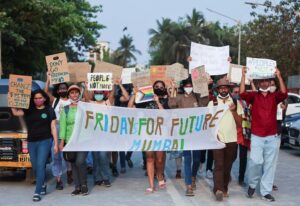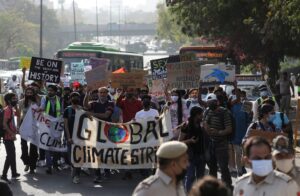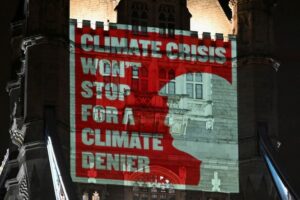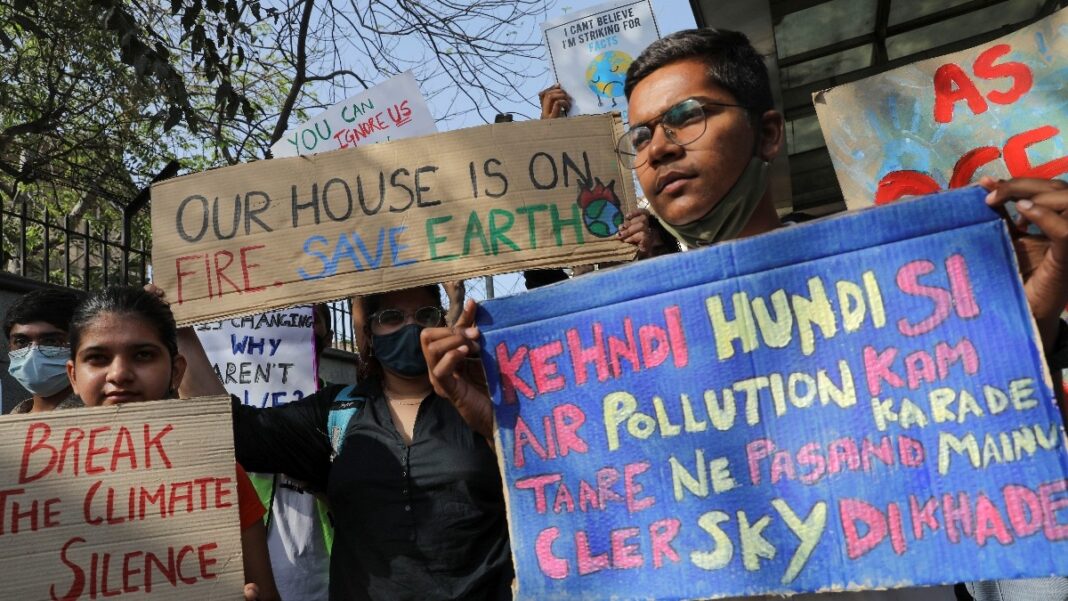
Be it climate marches in Delhi or those occurring in Mumbai, climate action in India wears many faces.
But why do some people step up while others, who are equally concerned, stay on the sidelines?
A new study from Murdoch University may have the answer, and it goes deeper than passion alone.
Published in the journal Current Research in Ecological and Social Psychology, the peer-reviewed study surveyed around 500 climate supporters in the United States, mapping their personalities, group identities, and attitudes toward power to figure out what actually drives climate action.

DIFFERENT KINDS OF SUPPORTERS
The researchers found that climate supporters are not of a singular type. Instead, their support for the cause varies, putting them into three distinct psychological groups.
The first group are what the researchers call “classic activists.” They are organised, cooperative people who are genuinely invested in the cause.
“They’re the ones most likely to do conventional things like signing petitions or joining groups,” said lead author Dr Susilo Wibisono, a lecturer in the School of Psychology at Murdoch University.

The second group wants to help but struggles to act.
“They’re not strongly identified with the climate movement, and that combination of emotional sensitivity without a strong anchor group leaves them kind of stuck in-between,” Dr Wibisono said.
The third group was the most unexpected.
The individuals in this group are drawn to disruptive, radical action, but not necessarily out of climate conviction.
“These people tend to be hierarchy enhancers — people who support the idea that some groups should have more power than others. You wouldn’t expect this type of person to be a climate activist at all, but they showed up in our data as the group which was actually the most drawn to radical action,” Dr Wibisono said, adding that their motivation may be less about climate justice and more about a competitive streak in their personality.

HOW DOES IT MATTER?
The findings carry a practical lesson for climate organisations, including India’s growing network of environmental groups.
A blanket “call to action” may not work for everyone.
“Rather than blasting out one generic call to action, movements would benefit from thinking more carefully about who they’re actually talking to and what that person’s psychological starting point is,” Dr Wibisono said.
As India and several other regions across the world face intensifying climate stress, be it record heat waves or unpredictable rainfall, understanding what actually moves people could be the difference between a movement that grows and one that remains stagnant.