In April 1970, an oxygen tank explosion crippled Apollo 13 on its way to the Moon, leaving three astronauts stranded in deep space with failing systems and dwindling resources. As the crew struggled to survive inside a powerless spacecraft, it was the calm, relentless problem-solving of NASA’s ground team that turned the mission from a near-certain tragedy into one of the greatest rescue operations in space history.
Engineers on Earth improvised life-saving solutions, from building a makeshift carbon dioxide filter using onboard materials to recalculating a safe trajectory back home, guiding the astronauts every step of the way until they safely splashed down.
When India sends astronauts to space under Gaganyaan, the spotlight will be firmly on the crew. But far from the cameras, another team, equally critical, will determine whether the mission succeeds or fails: the ground support team.
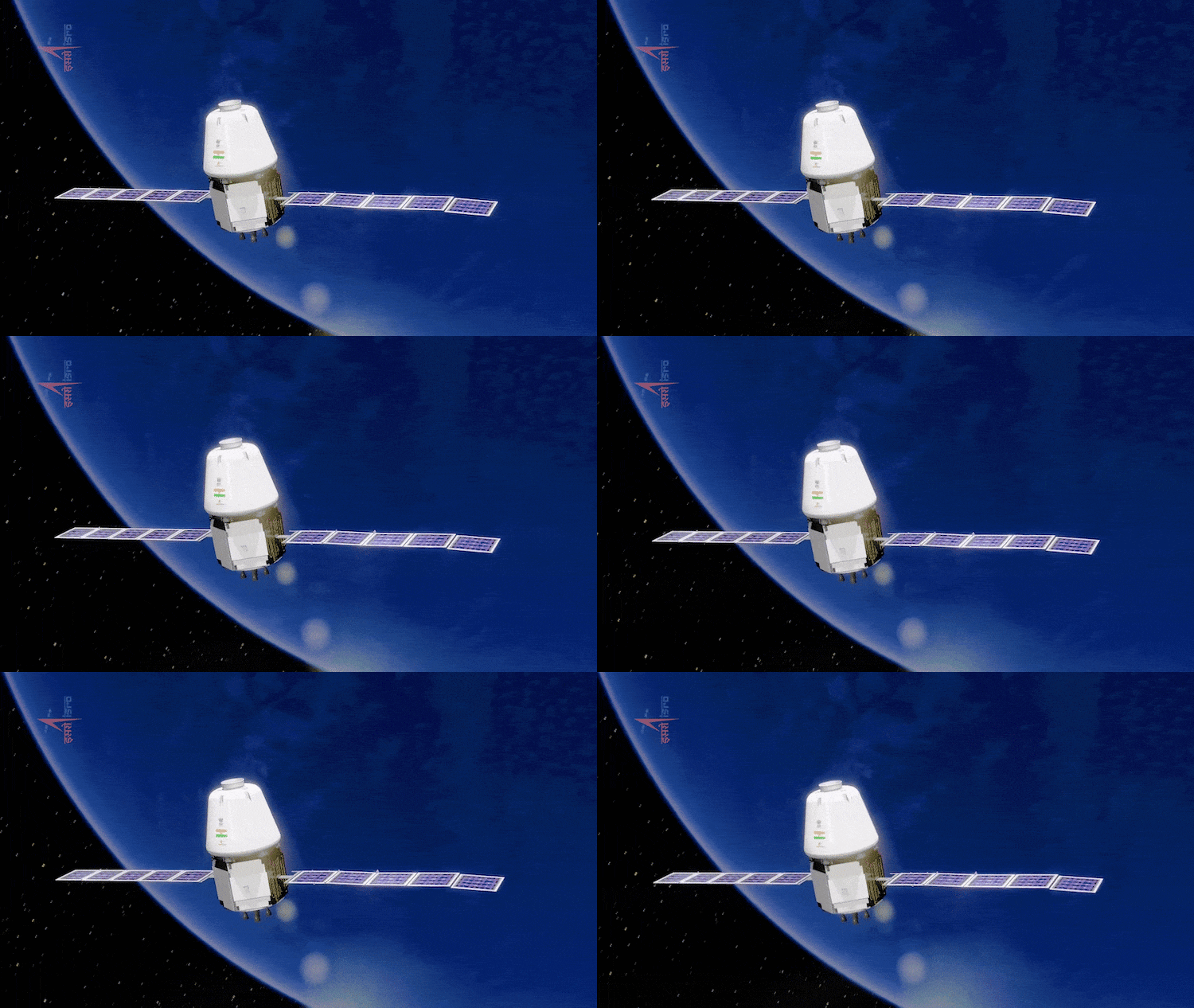
In a first-of-its-kind effort, Isro has begun identifying and training this invisible backbone through “Mission Mitra,” a high-altitude simulation exercise conducted in Ladakh in collaboration with Protoplanet.
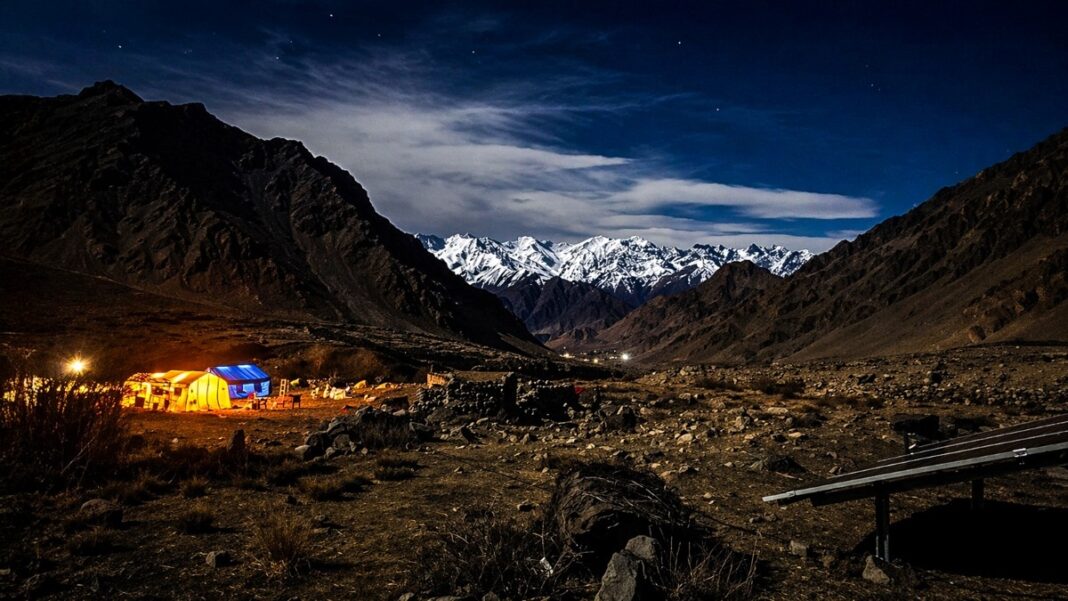
India Today Science gained exclusive access to the remote campsite in Likir, nearly 4,000 meters above sea level, where this pioneering effort unfolded.
WHAT IS MISSION MITRA?
The simulation, dubbed Mapping of Interoperable Traits & Reliability Assessment or Mission Mitra, was a first-of-its-kind programme by Isro, conducted in collaboration with Protoplanet, to develop and select ground support teams for India’s human spaceflight missions.
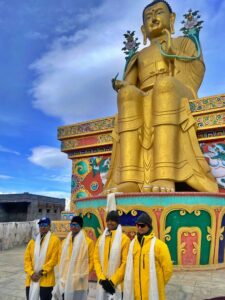
Held in the extreme terrain of Ladakh, it brought together astronauts, engineers, scientists, and medical teams to operate under harsh, space-like conditions.
The goal was to study teamwork, decision-making, and human behaviour under stress, while building protocols for mission support.
WHY GAGANYAAN NEEDS A GROUND TEAM?
Human spaceflight is not just about rockets and astronauts. It is about decision-making under pressure.
“There is a big team which sits on the ground which talks to the astronauts, understands what they are saying, and then solves the problems,” astronaut Group Captain Shubhanshu Shukla said.
The selection criteria for astronauts may not fully apply to ground teams, though some elements do overlap. The focus was on understanding how teams perform when brought together in hostile conditions, such as extreme cold, isolation, and limited resources.
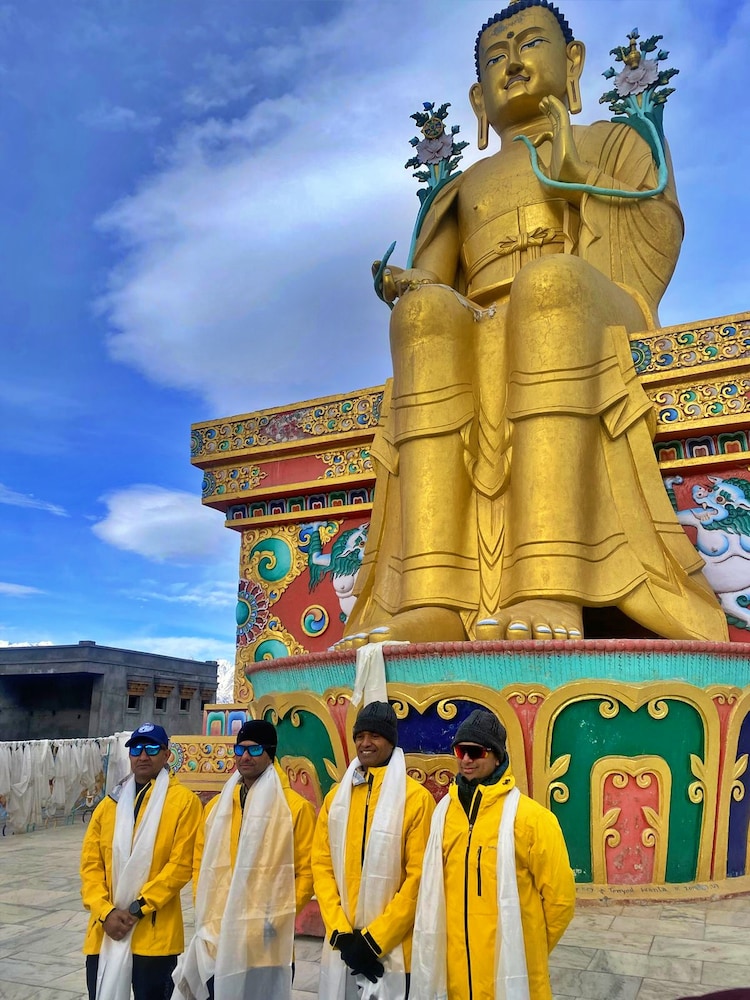
In space, astronauts face extreme constraints like limited resources, isolation, and unpredictable failures. The ground team must interpret every signal, guide decisions, and sometimes solve life-threatening problems in real time.
Recently, teams supporting Artemis II ensured astronauts navigated safely around the Moon and returned home. They were able to fix a critical problem with the space toilet that got clogged hours after launch and could have been detrimental to the success of the mission.
HOW LADAKH MAKES SPACE LOOK EASY
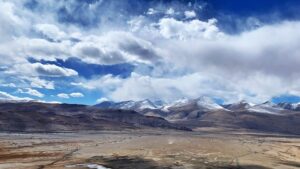
The choice of Ladakh was deliberate. At over 4,000 metres, with temperatures dropping to -20°C, low oxygen, and isolation, the terrain mimics key stresses of space or what astronauts could face on the Moon or on Mars in the distant future.
Stress can arise from different environments, and Ladakh presents conditions that closely resemble those experienced in space.
“These stresses include isolation, low oxygen levels, reduced atmospheric pressure, extreme cold, and sharp temperature variations. Together, these factors create a challenging setting that influences how individuals behave and interact as a group,” Dr. Siddharth Pandey, Director, Protoplanet, told India Today Science.
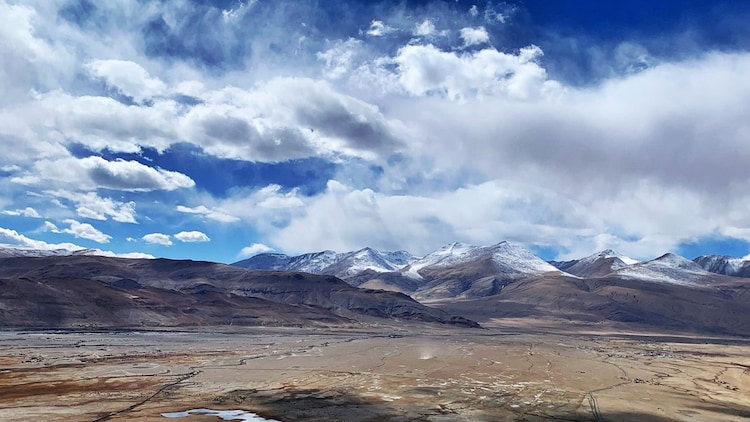
Such conditions often bring out varied responses among team members, leading to different group dynamics than what would be seen in a normal, sea-level environment.
While teams might collaborate more smoothly under comfortable conditions, the purpose of this exercise was to observe how they function, adapt, and work together under stress, much like they would need to during an actual space mission.
TEAMWORK IS THE DREAMWORK
For the first time, Isro tested how teams behave under extreme conditions, splitting participants into two groups performing identical tasks while being monitored by mission control.
“Human spaceflight is all about humans, and humans are the most vulnerable component,” said Anurag Sinha, Group Director at Isro’s Human Space Flight Centre.
The findings were revealing. When teams were given rigid instructions, confusion increased. But when allowed to develop their own procedures, collaboration improved significantly.
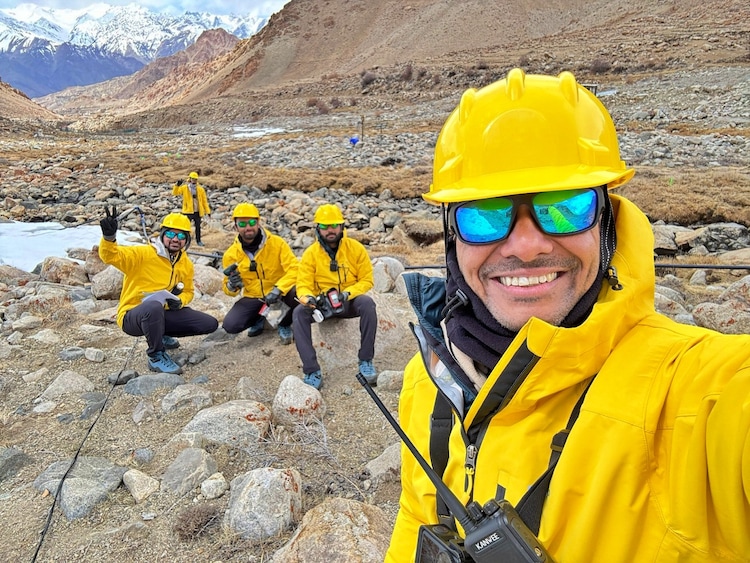
“It became clear that overly detailed instructions led to excessive back-and-forth and confusion. In contrast, when teams were given the flexibility to develop their own procedures, collaboration became far more efficient and seamless,” Sinha told IndiaToday.in.
NOT JUST PHYSICAL, SPACE DEMANDS MENTAL FITNESS
Mission Mitra was not just about technical training, it was about tapping into mental resilience and identifying how to train it further.
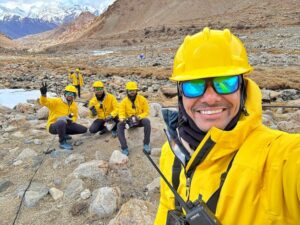
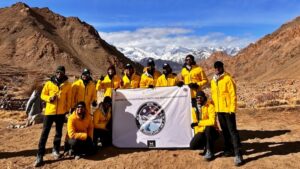
The 12 participants were divided into two teams, each led by two astronauts, and worked long hours in harsh conditions while managing limited supplies, simulated emergencies, and complex coordination tasks for four days. Throughout the exercise, they also underwent continuous health monitoring and psychological evaluations.
“Human behaviour in extreme conditions changes very rapidly,” Sinha noted, underlining the need to understand how individuals react under stress.
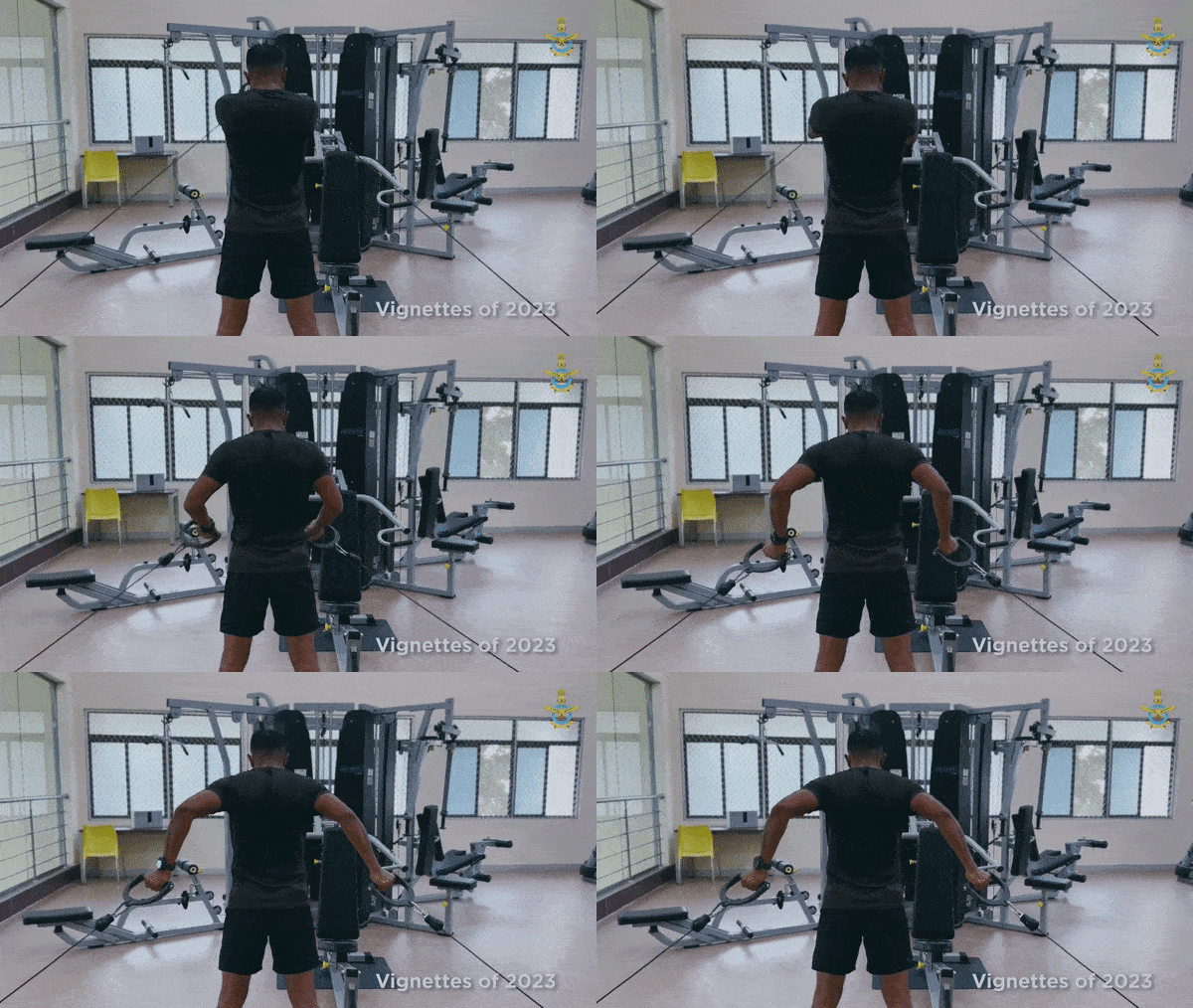
The simulation included emergency scenarios, medical challenges, leadership rotations, and teamwork exercises. One key activity mimicked space station operations, where one member performed an external activity like a spacewalk while another guided them from inside with minimal communication tools.
The exercise highlighted the importance of human coordination over technology.
“Working as a group under stress was the biggest test. Participants came from different backgrounds and had to quickly adapt to each other while handling unfamiliar conditions and heavy workloads. However, strong protocols and teamwork ensured success,” astronaut Air Commodore P Balakrishnan Nair said after the completion of the simulation.
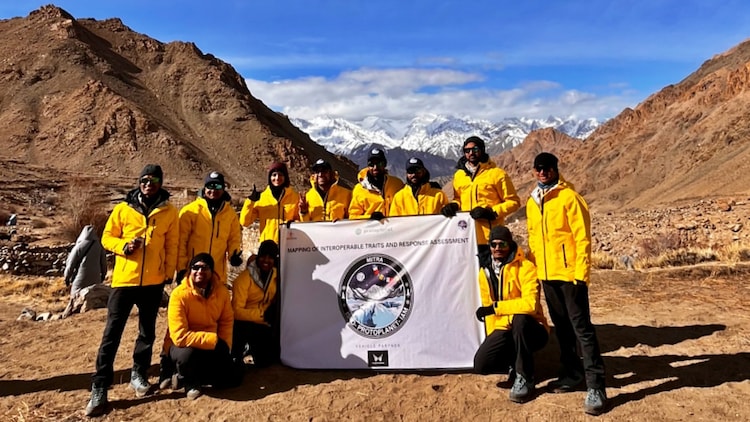
SETTING UP MISSION CONTROL, MEDICAL PROCEDURES
The simulation was also joined by a doctor from the Institute of Aerospace Medicine, and Protoplanet’s team implemented multi-layered safety and monitoring systems, including mental health checks and emergency evacuation protocols, ensuring both physical and psychological readiness.
The two teams underwent regular evaluations at fixed intervals, with all observations carefully recorded and tracked to monitor changes in their physical, psychological, and behavioural condition over time.
Before the exercise, the team spent six days acclimatising to the high-altitude environment to ensure everyone could safely adapt to the conditions.
“Physical health checks were conducted routinely, with continuous monitoring and cross-verification. In case of minor injuries such as cuts or bruises, participants were advised to consult an external doctor privately, in addition to the on-site medical team,” Amrit Appaden, Operations, Safety & Rescue Team, Protoplanet, told IndiaToday.in.
Mental health was given equal importance during the simulation. Each participant had scheduled one-on-one sessions, typically 10 to 15 minutes, in a secure and private setting with a psychologist. These regular interactions helped assess individual well-being, maintain team cohesion, and ensure that participants felt safe.
WHY IS ISRO PLAYING CATCH-UP?
Unlike Nasa, which has decades of human spaceflight experience, Isro is building its ecosystem from scratch. While astronaut training began years ago, identifying and preparing ground teams has lagged behind.
Mission Mitra marks a crucial shift.
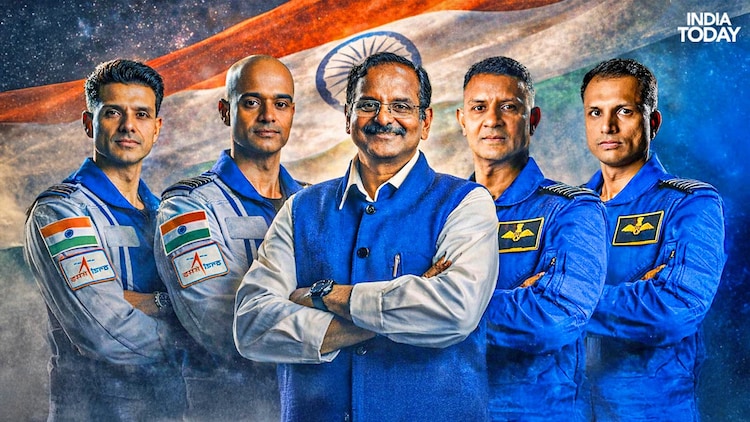
“This was an exercise to decide the protocols for selection of the team how do we select these teams under challenging conditions?” astronaut Shubhanshu Shukla explained.
The delay highlights a broader reality: building a human spaceflight programme requires not just hardware, but human systems, protocols, psychology, and coordination.
A LONG ROAD AHEAD FOR GAGANYAAN
Mission Mitra is only the beginning. Isro plans to analyse the data, refine its selection criteria, and repeat such exercises in different environments.
“This is one of the first steps in a long series of expeditions,” Gp Capt Shukla said.
The goal is clear: build a ground team that can think fast, stay calm, and act decisively, no matter the situation.
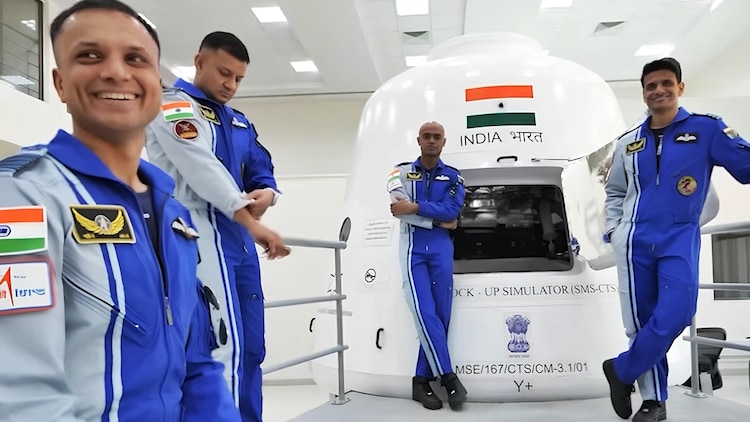
Because when India’s astronauts are hundreds of kilometres above Earth, it won’t just be their training that keeps them safe.
It will be the unseen team on the ground, listening, thinking, and safely guiding them home.