
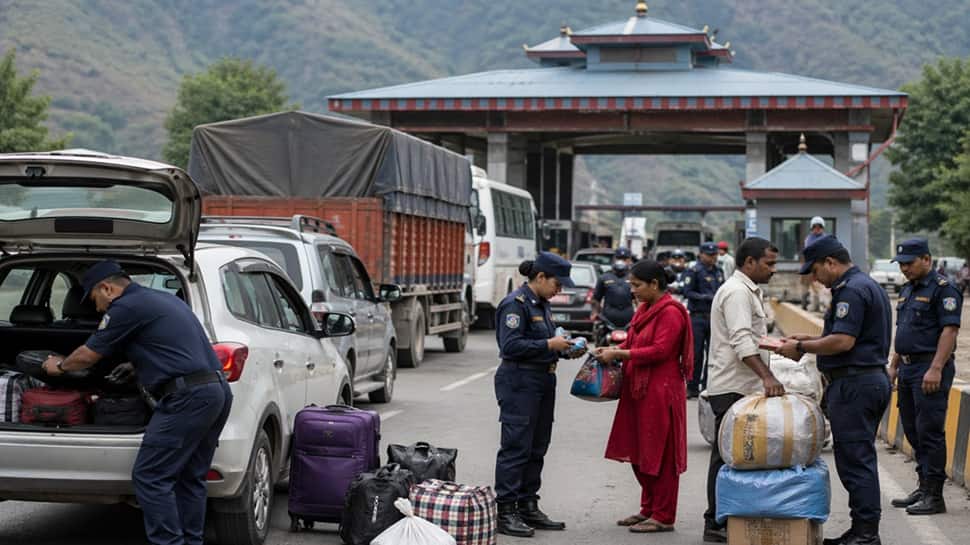
If you’re planning a quick trip to Nepal from Indian side now or a cross-border shopping run, things have just changed—and not in your favour. Authorities in Nepal have rolled out stricter rules that directly affect Indian visitors, especially those driving across the border or bringing back goods. For many who are used to easy, informal travel between the two countries, this feels like a sudden shift.
India and Nepal have shared decades of historic and cultural ties. The relations between the two nations are so strong that the sitting Indian Army Chief is given the honorary title of General of the Nepali Army, and the Chief of the Nepali Army is conferred the honorary rank of General of the Indian Army. The two nations share porous borders, with free movement of people. However, things are now changing fast.
What’s changed for Indian travellers?
Driving into Nepal is no longer as simple as it used to be. Indian vehicles must now be registered upon entry and carry valid permits at all times. There’s also a hard cap—your vehicle can’t stay in Nepal for more than 30 days in a year. Even short visits come at a cost. Daily entry charges are being enforced, and if your paperwork isn’t in order, authorities can seize your vehicle—and in some cases, it could be permanently confiscated.
Nepal ruling party faces new controversy over home minister’s investments
Shopping across the border? Be careful
For decades, people living near the India-Nepal border have crossed over for everyday shopping—groceries, clothes, even medicines. That routine is now under scrutiny. Nepal has started strictly enforcing customs duty on goods worth more than NPR 100 (roughly Rs 62). That means even small purchases could be taxed. Depending on the item, duties can range anywhere between 5% and 80%. Many videos are now doing rounds on social media showing strict enforcement by Nepali customs officers as they didn’t let people to carry even a dozen banana.
At border checkpoints, officials are stepping up inspections. Travellers are being asked to show receipts, and announcements over loudspeakers warn people about the new rules. Those unable to comply risk having their goods confiscated.
Impact on the everyday life of people
Among those hurt badly are border communities, as they have families on both sides. Many families in southern Nepal regularly travel to adjoining areas of Bihar and Uttar Pradesh to get cheaper essentials. Now, they are either being charged or their goods are being confiscated by the Nepali customs if they refuse to pay.
The small shopkeepers and businesspeople are now worried as the new rules are hurting their sales.
Why the sudden crackdown?
Under Prime Minister Balen Shah, the Nepal government is taking stricter actions on even smaller issues, especially if it’s related to India. Officials say the move is aimed at curbing illegal vehicle use, preventing tax evasion, and promoting domestic products within Nepal. There have also been concerns about unauthorised Indian vehicles operating in large numbers, especially in Madhesh province.
Earlier, Indian vehicles could enter nearby border areas for up to 24 hours without charges. That flexibility is now being tightened with stricter monitoring and enforcement.
What should you do?
If Nepal is on your plan anytime soon, don’t assume the old rules still apply. Check your vehicle documents, be ready to pay entry fees, and keep all shopping receipts handy. Because at the border now, even a small oversight could turn into an expensive mistake.


