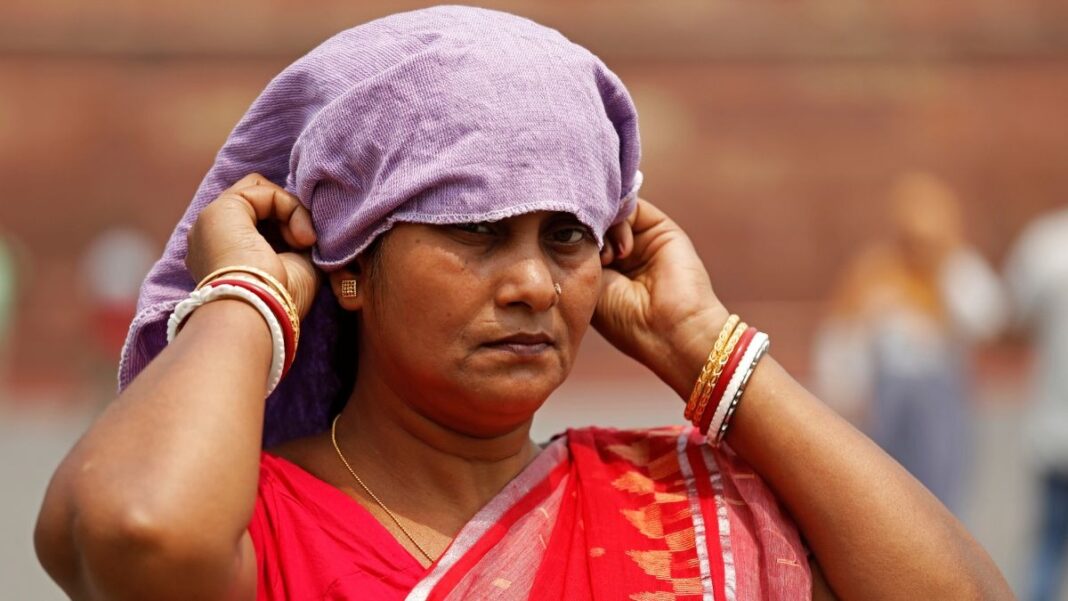
If you were hoping the week would begin on a cooler note, think again.
Monday, April 20, is set to be another brutal day across large parts of the country, with the India Meteorological Department issuing fresh warnings for scorching heat in several states and very heavy rain in others.
WHICH STATES WILL SEE EXTREME HEAT ON MONDAY?
The heat will be most punishing across central and northern India. Isolated pockets of West Madhya Pradesh, Vidarbha, and Chhattisgarh are already reeling, and Monday brings no change.
Jharkhand enters the extreme heat zone from Monday, with warnings in place through April 21.
West Uttar Pradesh comes under the scanner too, with alerts running through April 22. West Rajasthan faces the longest stretch, with warnings extending all the way to April 23.
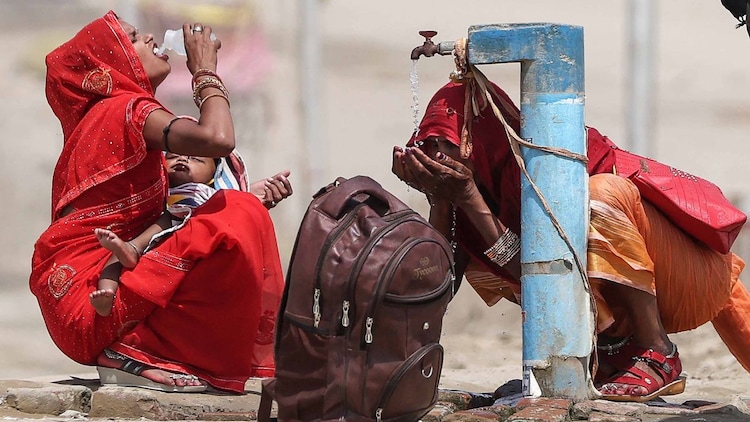
East Uttar Pradesh, East Rajasthan, and East Madhya Pradesh remain under watch simultaneously.
To put the numbers in perspective, temperatures across Vidarbha and Madhya Pradesh are expected to hover between 40 and 45 degrees Celsius.
On Sunday, Rajnandgaon in Chhattisgarh and Wardha in Vidarbha jointly recorded the highest maximum temperature in the country at 45 degrees Celsius. Monday is unlikely to be kinder.
WHAT WILL THE WEATHER BE LIKE IN DELHI ON MONDAY?
Delhi escapes a formal heatwave declaration, but only just.
The IMD forecasts partly cloudy skies with maximum temperatures ranging between 39 and 41 degrees Celsius, sitting above normal by 1.6 to three degrees Celsius.
Westerly winds of up to 18 kilometres per hour are expected through the afternoon.

Nights will be marginally more bearable, with minimum temperatures between 20 and 22 degrees Celsius.
The elderly, infants, and those with chronic illnesses should still take precautions.
WHERE WILL IT RAIN ON MONDAY?
The northeast tells a completely different story. The IMD has warned of very heavy rainfall over Arunachal Pradesh on April 20 and 21, with isolated heavy rain continuing over Assam and Meghalaya.
Sub-Himalayan West Bengal and Sikkim will also see thunderstorms and gusty winds reaching 30 to 50 kilometres per hour.
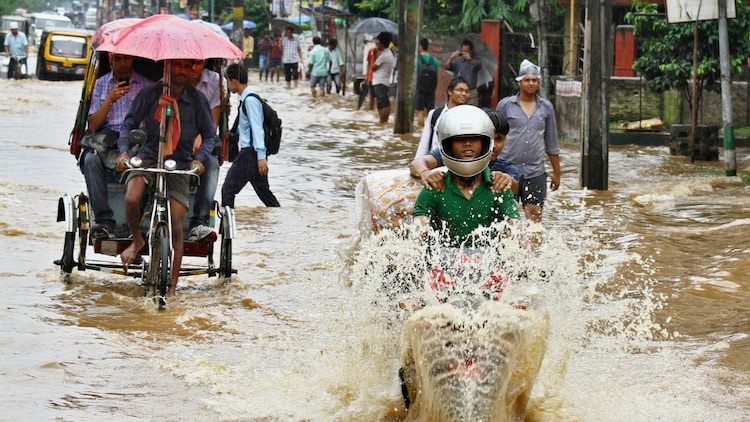
Risks of localised flooding, landslides, and waterlogging are real, particularly in hilly areas.
Avoid stepping out between 11 am and 4 pm if you are in a heat-affected zone, drink water regularly even without thirst, and monitor district-level alerts on the IMD’s official website.