

Trump Administration Announces Major Offshore Drilling Expansion in California and Florida
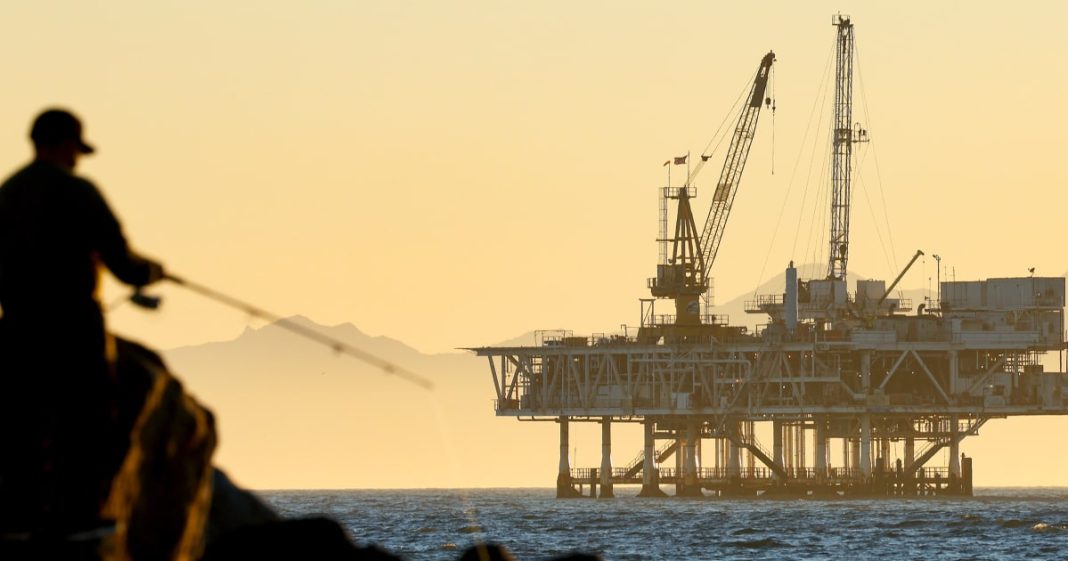
The Trump administration has unveiled plans to open coastal waters off California and Florida to new oil drilling for the first time in decades, marking a significant expansion of U.S. fossil fuel production despite strong environmental and economic concerns.
Key Takeaways
- First new offshore drilling leases in California federal waters since mid-1980s
- First Florida Gulf drilling since 1995 moratorium
- Plan includes over 20 lease sales off Alaska coast
- Strong bipartisan opposition from coastal states
- Administration pursuing “energy dominance” strategy
The comprehensive five-year plan proposes six offshore lease sales off California’s coast and new drilling areas at least 100 miles from Florida’s shoreline. The administration also plans more than 20 lease sales off Alaska, including in the newly designated High Arctic region.
Return to “Energy Dominance” Strategy
Since beginning his second term in January, President Trump has systematically reversed Biden-era climate policies to pursue what he calls U.S. “energy dominance.” The administration has established a National Energy Dominance Council to accelerate record-high fossil fuel production while blocking renewable energy projects and canceling clean energy grants.
Trump, who recently described climate change as “the greatest con job ever perpetrated on the world,” signed an executive order reversing Biden’s ban on offshore drilling along both coasts on his first day back in office.
Immediate Political Backlash
Even before its official release, the plan faced fierce opposition. California Governor Gavin Newsom declared it “dead on arrival,” while Florida politicians from both parties signaled strong resistance.
“As Floridians, we know how vital our beautiful beaches and coastal waters are to our state’s economy, environment and way of life,” said Senator Rick Scott, who previously helped block a similar 2018 drilling plan.
A Newsom spokesperson warned that “expensive and riskier offshore drilling would put our communities at risk and undermine the economic stability of our coastal economies.”
Industry Support and Historical Context
The American Petroleum Institute and industry groups have lobbied for access to new offshore areas, arguing in a June letter that all regions “with the potential to generate jobs, new revenue and additional production to advance America’s energy dominance should be considered for inclusion.”
California has existing offshore infrastructure from its history as an oil-producing state, though no new federal leases have been offered since the mid-1980s. The state has been a leader in restricting offshore drilling since the devastating 1969 Santa Barbara oil spill.
Environmental and Economic Warnings
Democratic lawmakers and environmental groups issued stark warnings about the potential consequences.
“This plan is an oil spill nightmare,” said Joseph Gordon of Oceana. “Coastal communities depend on healthy oceans for economic security and their cherished way of life.”
Lawmakers including California Senators Alex Padilla and Adam Schiff warned that oil spills “not only cause irreparable environmental damage, but also suppress the value of coastal homes, harm tourism economies and weaken coastal infrastructure.” They noted that a single major spill could cost taxpayers billions in cleanup and lost revenue.
The administration’s push comes as a Texas-based company, with federal support, seeks to restart production in waters off Santa Barbara previously damaged by a 2015 oil spill.