
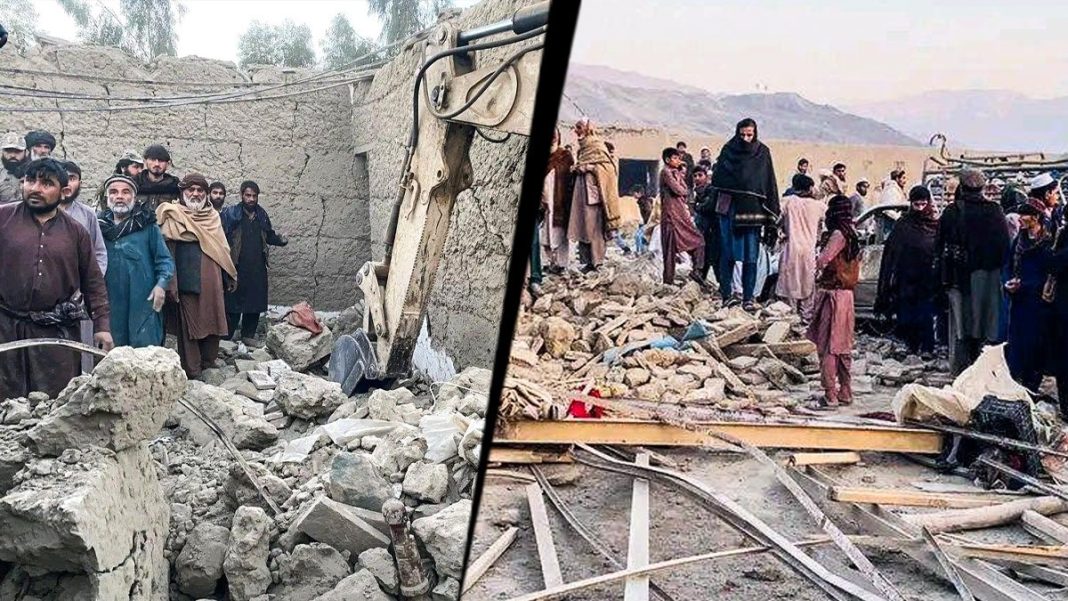
Pakistan has a habit. When things go wrong at home or along its borders, it looks towards New Delhi for someone to blame. In February 2026, that habit returned with full force. Islamabad launched airstrikes deep inside Afghan territory, struck what Kabul says were madrassas, killed civilians including women and children, and then told the world that India was somehow responsible. It is a familiar script. The question is whether anyone still believes it.
The roots of this conflict stretch back far beyond any recent ceasefire or airstrike. The Durand Line, drawn in 1893 by a British colonial officer, sliced through Pashtun lands and left a wound that never healed. Afghanistan never fully accepted the boundary. Pakistan treated it as sacred. That single disagreement poisoned bilateral relations from the moment Pakistan came into existence in 1947. Kabul voted against Pakistan’s admission to the United Nations. Islamabad retaliated with border closures and economic pressure. The animosity predates the Taliban, predates the Tehrik i Taliban Pakistan and predates modern jihadism altogether.
The modern crisis, however, carries a sharper edge. The TTP, formed in 2007 and revived after the American withdrawal from Afghanistan in 2021, returned with devastating momentum. By 2024 and 2025, cross border attacks intensified dramatically. Pakistani checkposts fell. Convoys were destroyed. Officers died in Kurram, North Waziristan and Bajaur. Islamabad blamed sanctuaries in Afghan provinces. Kabul denied sheltering militants. The denial convinced nobody in Rawalpindi.
Operation Khyber Storm in October 2025 marked the first major rupture. Pakistani jets struck multiple Afghan cities, targeting facilities allegedly linked to TTP leadership. The Taliban retaliated. Artillery fire erupted along the border. Civilians died on both sides. A 48 hour ceasefire, brokered by Qatar and Turkey, followed. It sounded like progress. It was not. The truce had no enforcement mechanism, no joint verification teams and no binding framework on militant sanctuaries. It was a pause dressed up as peace.
By February 2026 even that pause had collapsed. A suicide bombing at an Islamabad mosque reignited fury. Pakistani soldiers died in fresh clashes. Islamabad announced what it called conclusive evidence of Afghan based handlers and launched new airstrikes on Paktika and Nangarhar provinces. Pakistan claimed over seventy militants were eliminated. Kabul said seventeen civilians died in a madrassa strike. The truth, as it always does in war, sat somewhere in the rubble between the two accounts.
And then came the familiar reflex. Pakistan’s Defence Minister Khawaja Asif alleged that Afghanistan was fighting a proxy war for India. He questioned whether Taliban decisions were being sponsored by Delhi. He suggested that Afghan Foreign Minister Amir Khan Muttaqi’s visit to India carried hostile intent. It was a sweeping accusation resting on remarkably thin evidence.
India did reopen diplomatic channels with Kabul after years of cautious distance. It expanded humanitarian outreach. It signalled readiness to restore its embassy presence. That engagement is strategic, calibrated and focused on trade, infrastructure and regional influence. It is not, by any credible account, a directorate for Taliban battlefield decisions.
Pakistan’s narrative rests on suspicion rather than proof. Islamabad has historically blamed Indian interference during every domestic crisis it has faced, whether in Balochistan, in counterterrorism failures or in economic collapse. The reflex is so well worn it has become almost reflexive theatre.
The harder truth is that Pakistan does not need Indian sponsorship to generate instability. It built its own militant ecosystem over decades, differentiating between so called good and bad proxies until that distinction became meaningless. The TTP is blowback from those choices. The Afghan Taliban’s ideological proximity to the TTP complicates matters further. But complicated does not equal Indian orchestration.
The 2026 escalation is not a new war. It is an old rivalry resurfacing in new uniforms, fuelled by unresolved borders, fractured truces, domestic political pressure and a desperate need in Islamabad to redirect blame. Unless sanctuary politics ends and a durable border framework emerges, this will not be the last chapter. It will simply be the latest pause before the next reload.


