
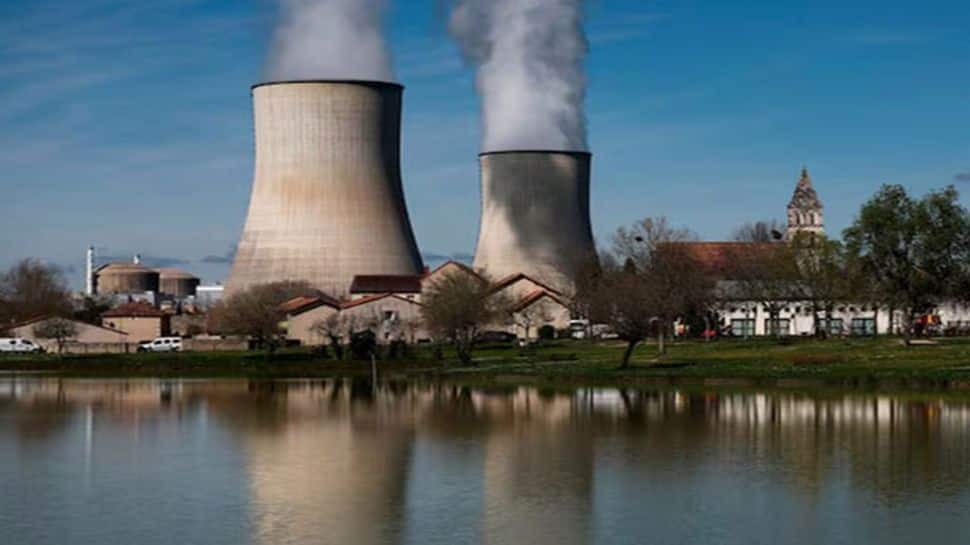
Dhaka: Bangladesh has entered a new phase in its energy journey after the country began fuel loading at its first nuclear power plant in Rooppur. The development took place at the VVER-1200 reactor, which brings the country into nuclear electricity generation. The plant uses Russia’s latest Generation III+ pressurised water reactor technology, a system that is also being studied for future expansion in countries like India.
The facility is located in Pabna, around 160 kilometres from the capital Dhaka. The first unit has now started its fuel loading process, which is considered the initial step before full commissioning. The project has been built by Russia’s state nuclear company Rosatom and is one of the largest energy infrastructure investments in Bangladesh.
With a total capacity of 2.4 gigawatts, the Rooppur plant is expected to contribute around 10 to 12 percent of Bangladesh’s electricity needs once fully operational. The first unit is planned to be formally handed over to the country by the end of 2026. Even after the plant becomes functional, Bangladesh is expected to continue importing electricity from India, although the volume may reduce over time.
Energy push and strategic importance
Bangladesh’s science and technology minister Fakir Mahbub Anam has said that the Rooppur project will play an important role in strengthening national energy security. He also stated that it is expected to support industrial development and help the country move toward a more technology-driven economy.
The project is estimated to cost around $13 billion. Russia is financing nearly 90 percent of the cost through a government-backed loan arrangement. Officials involved in the project have explained that fuel loading indicates the start of the commissioning phase, after which the reactor will gradually be brought to stable and controlled power levels.
Electricity generation is expected to begin at a lower level in the initial phase. Full-scale commercial output is not expected before 2027 as the plant will go through several stages of testing and calibration before reaching maximum capacity.
Russian technology at the core
The VVER-1200 reactor being used in Rooppur is part of Russia’s latest nuclear technology line. It is built to offer improved safety systems and higher efficiency compared to older models. This same reactor design has also drawn attention in India, where it is being considered for future nuclear expansion projects.
India operates Russian-built VVER-1000 reactors at the Kudankulam nuclear power plant in Tamil Nadu, which have been operating commercially since 2014. Plans are also in place to add two more units, numbered 7 and 8, which are expected to use the larger VVER-1200 design under a proposed fourth phase of expansion.
Rosatom has earlier stated that technical work is going on for a new Russian-designed nuclear plant in India that would also be based on VVER-1200 reactors. These debate point to a continued reliance on Russian nuclear technology in South Asia’s energy sector.
Regional energy impact
The launch of fuel loading at Rooppur is a turning point for Bangladesh, which has long depended on imported electricity and fuel. Once fully operational, the plant is expected to reduce pressure on the national grid and support rising industrial demand.
With nuclear energy now entering its system, Bangladesh joins a small group of countries in the region that have taken the step toward large-scale nuclear power generation, setting the stage for a new phase in its long-term energy planning.


