
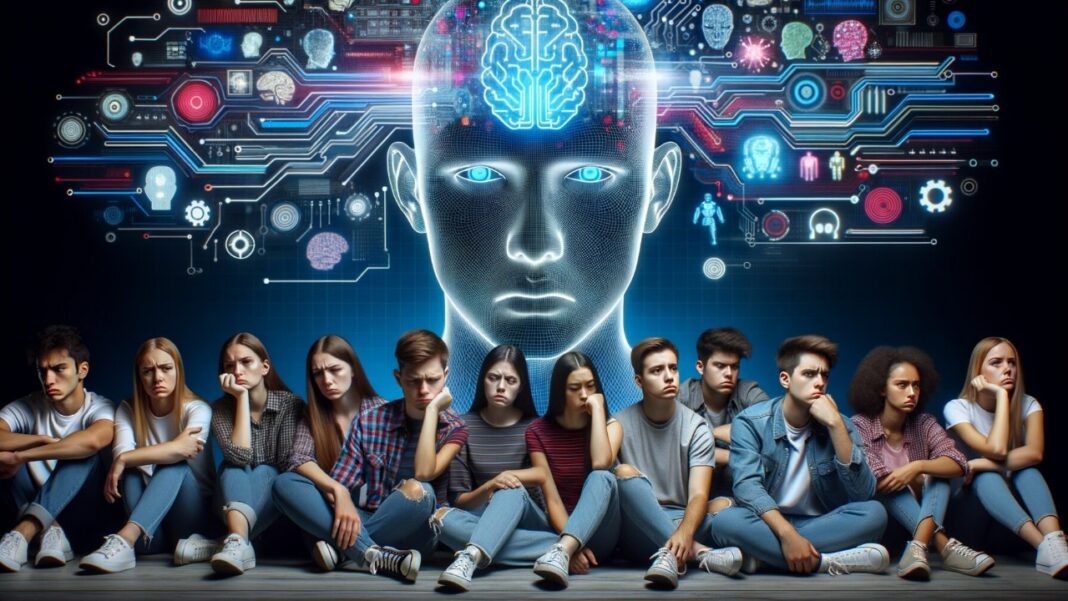
AI may be reshaping the future, but the generation expected to grow up with it isn’t entirely sold. In fact, many young people are beginning to feel uneasy—if not outright frustrated—about where things are headed. A new report suggests that Gen Z’s relationship with artificial intelligence is becoming increasingly complicated, with many concerned about the fact that this technology could hurt their future career prospects, replace jobs, and even make learning more difficult rather than easier.
A recent survey by Gallup, GSV Ventures and the Walton Family Foundation, which studied Gen Z’s perceptions and experiences with generative AI, highlights a shifting attitude among young people towards the technology. While this generation has typically been quick to embrace new innovations—be it computers in the early days or the rapid rise of smartphones—this time the response is far more cautious.
Researchers found that while many young people are using AI, their trust in it is falling. The study reveals that nearly half—48 percent—of Gen Z respondents believe AI will bring more risks than benefits to the workplace.
In fact, the study says that in the past year, excitement around AI has dropped sharply among young people—falling by 14 percentage points. Hopefulness has also declined by nine points. In contrast, feelings of anger towards AI are on the rise, climbing from 22 percent to 31 percent. Anxiety, too, remains widespread, with many respondents expressing concern about the technology.
The study notes that, for an industry that has long relied on younger users to drive and champion new technologies, this shift in mood could be a worrying sign.
And this isn’t just an abstract concern. Many respondents see AI as a threat to core skills and long-term development. The study highlights that around 80 percent reportedly believe that relying on AI as a shortcut ultimately makes learning more difficult. Instead of enhancing creativity or critical thinking, a growing number feel the technology may actually erode these abilities over time.
The report also notes that Gen Z remains unconvinced that AI improves creativity, critical thinking, or even efficiency in a meaningful way. For many, the trade-off between convenience and capability is becoming harder to justify.
Still, the picture isn’t entirely negative. Despite their concerns, many Gen Z students acknowledge that AI will be an essential part of their future. A growing number say they will need AI skills for higher education and their careers, and most believe they will be able to adapt.
The study concludes that access to AI alone is no longer enough to win over the next generation. Researchers note that as AI adoption begins to plateau and scepticism rises, the challenge for companies, educators and policymakers will be to rebuild trust, by showing how AI can support, rather than replace, human skills.


