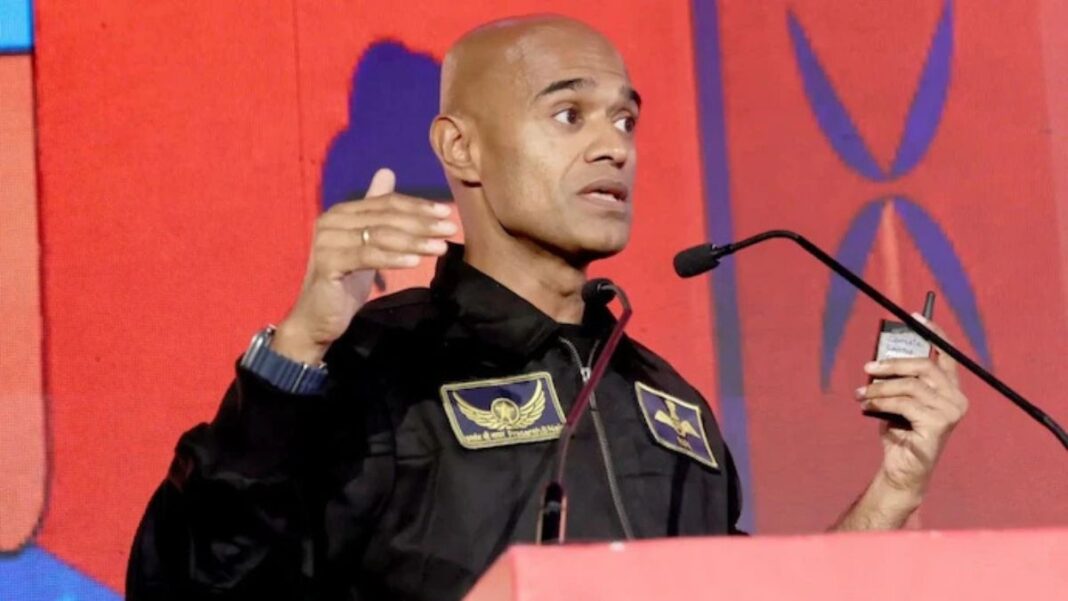
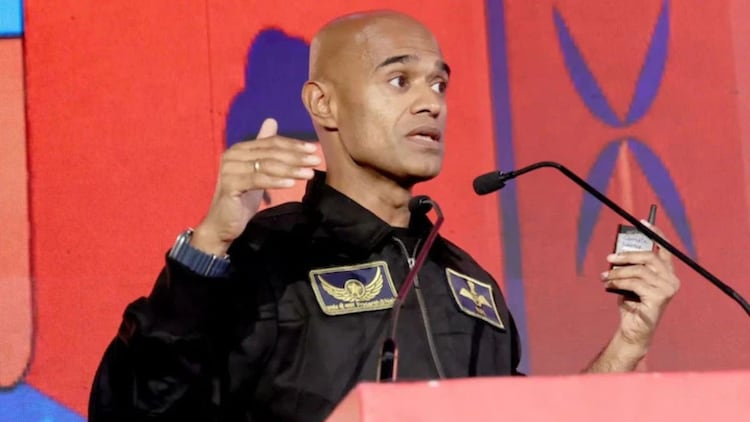
India’s unmanned space missions are expected later this year, followed by human spaceflight missions by 2026-2027, astronaut Air Commodore Prasanth Balakrishnan Nair said on Friday.
The Kirti Chakra awardee and Gaganyaan astronaut candidate was speaking at the 4th Indian Defspace Symposium 2026 in Delhi.
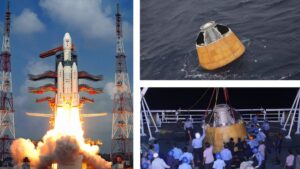
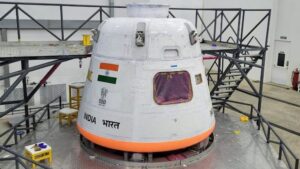
Gaganyaan is the Indian Space Research Organisation (Isro)’s programme to send Indian astronauts into orbit and return them safely to Earth.
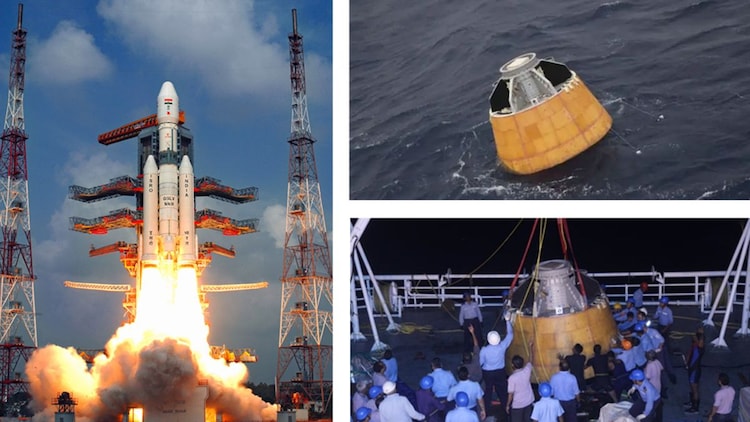
Air Commodore Nair said the missions would involve multiple iterations, or several attempts and improvements, and would address challenges such as avoiding space debris.
Space debris refers to defunct satellites and broken rocket parts orbiting Earth at high speeds, which pose a collision risk to crewed spacecraft.
He added that astronaut training includes manoeuvres specifically designed to prevent such collisions.
WHAT TECHNOLOGY IS BEING USED FOR GAGANYAAN?
The technology and systems being developed for the mission are indigenous, which means they are built within India rather than sourced from abroad.
Air Commodore Nair said this was to ensure that astronauts are fully equipped for the mission.
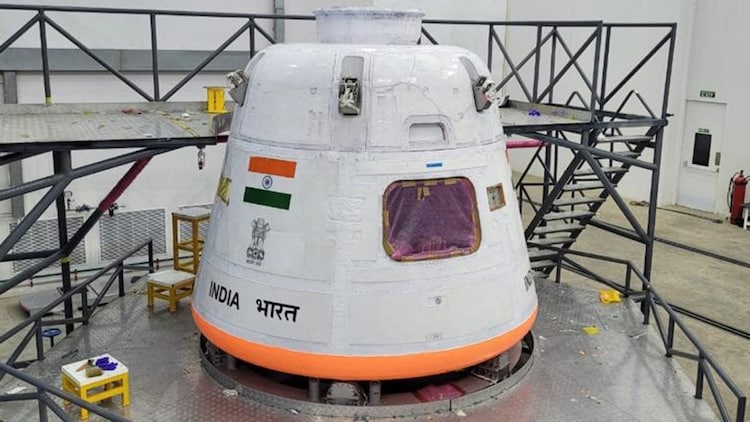
He noted that the programme involves several stages, with each mission building on the lessons of the previous one before a crewed flight is attempted.
Isro’s chairman has previously indicated that the unmanned missions would lay the groundwork for eventually putting Indians in space, a milestone that would make India only the fourth country in the world to independently send humans to orbit, after Russia, the United States, and China.
WHAT DID HE SAY TO STARTUPS?
Air Commodore Nair also called on Indian startups to look beyond rockets and satellites, and invest in what he described as human-centric space products.
These include space suits, space toilets, and space psychology, which is the study of how the human mind responds to the isolation and confinement of spaceflight.
He said such products were as important to a successful human spaceflight mission as the rockets themselves.