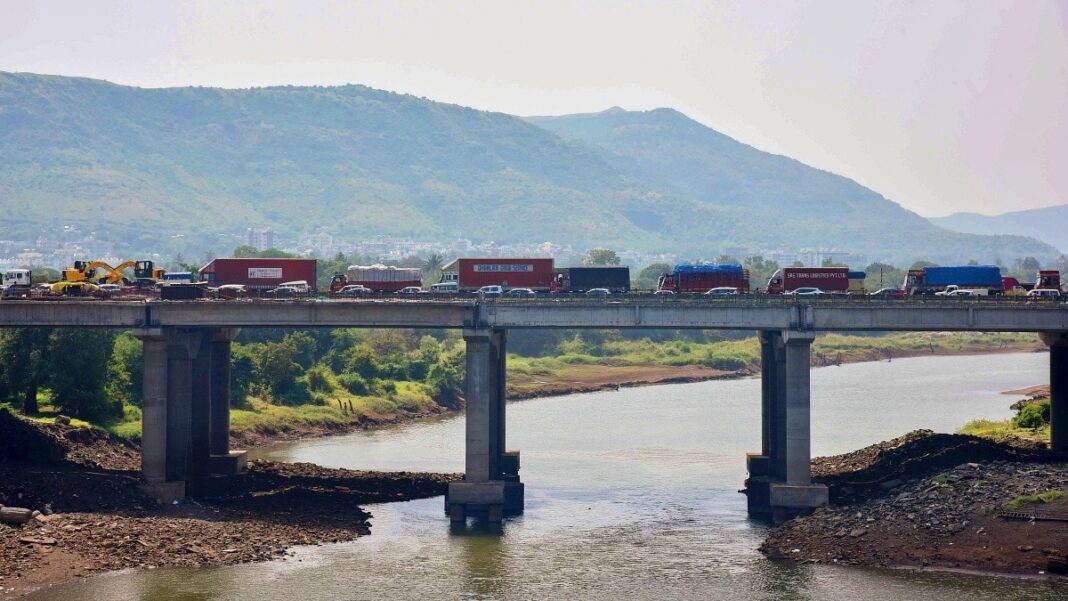
Every April, millions of Indians book their summer trips to the hills. Shimla, Manali, Mussoorie, Nainital, and many others are all the familiar escapes from the scorching plains.
This year, those hills are not the refuge they used to be.
India’s 2026 summer has arrived early and has arrived with harsh temperatures, even for the town sitting at high altitudes in the hills.
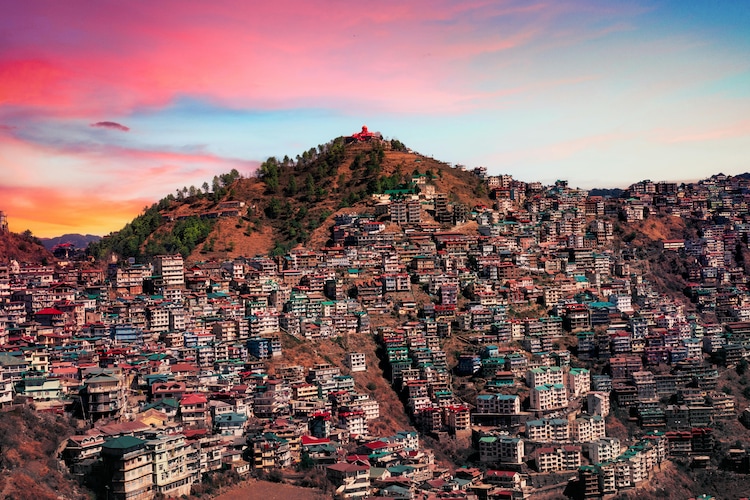
According to the India Meteorological Department’s (IMD) seasonal forecast for March to May 2026, the summer could be hotter than normal across most of the Himalayan region, including most of the mountainous regions of Himachal Pradesh, most of Jammu & Kashmir, and the highest regions of Uttarakhand.
These are the states that house nearly every popular hill station in northern India, and they are ones now facing scorching heat.
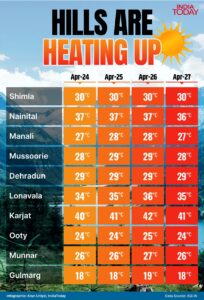
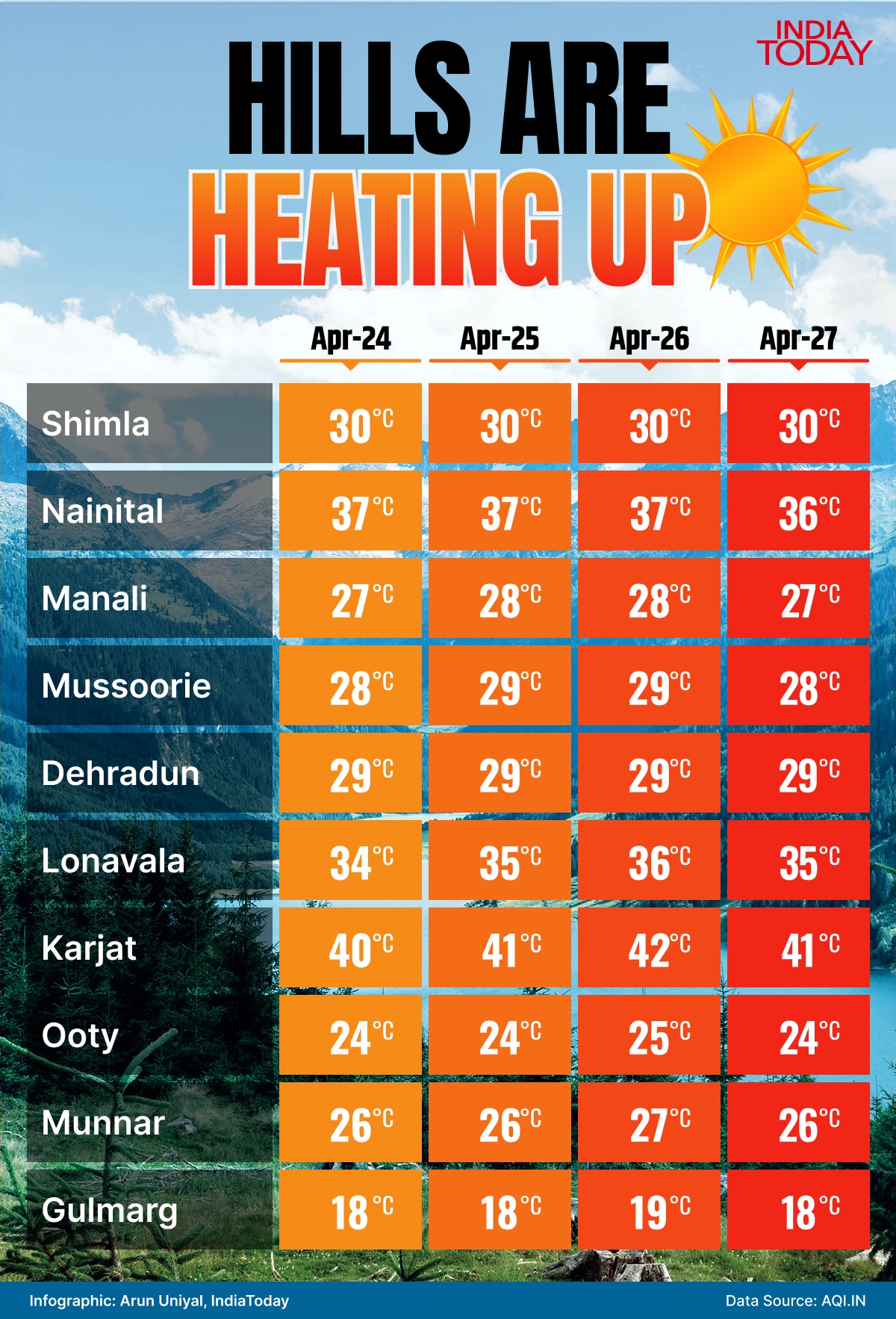
THE HILLS ARE HEATING UP
The numbers from the ground are alarming.
In early March, maximum temperatures across Himachal Pradesh were 8 to 12 degrees Celsius above normal, with severe heatwave conditions prevailing across the hills. It was the earliest such occurrence in the state in five years.
Popular destinations like Shimla and Manali sit in the state and were not immune to rising temperatures.
What’s more alarming is that the heat has not let up since.
IMD has confirmed in recent updates that heatwave to severe heatwave conditions have prevailed in isolated pockets of Himachal Pradesh, with temperatures way above normal, sometimes at 3.1C and 5C higher than usual.
Yesterday, on April 26, things got hot enough for IMD to declare a yellow alert for heatwave conditions in several districts in the state.
Other states are not faring any better.
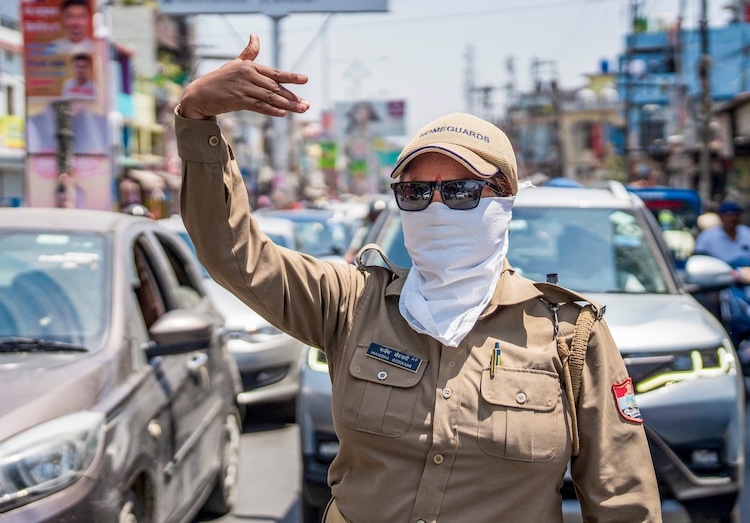
In Uttarakhand, home to Mussoorie and Nainital, similar trends have been seen. Unexpectedly high temperatures have turned the popular tourist destination, a refuge from summer heat, into a victim itself.
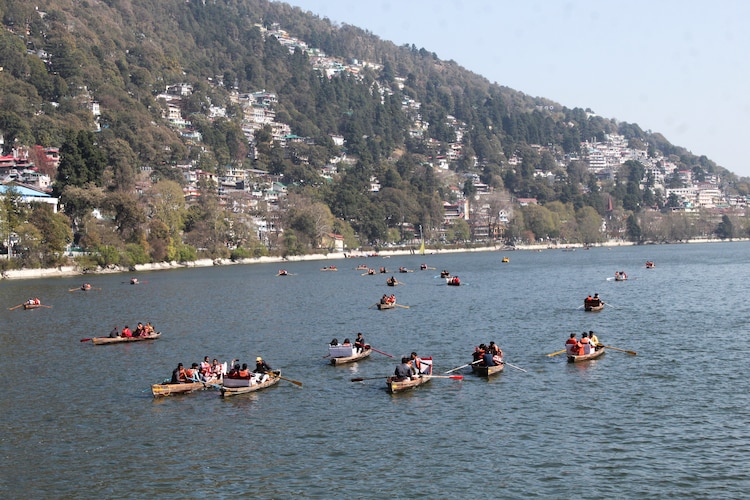
Mussoorie recorded a maximum temperature of 30C on April 26, well above its historical April average of around 17 to 23C.
Meanwhile, Nainital has also seen weather it is not used to. The hill station, in recent days, has recorded maximums of around 30C.
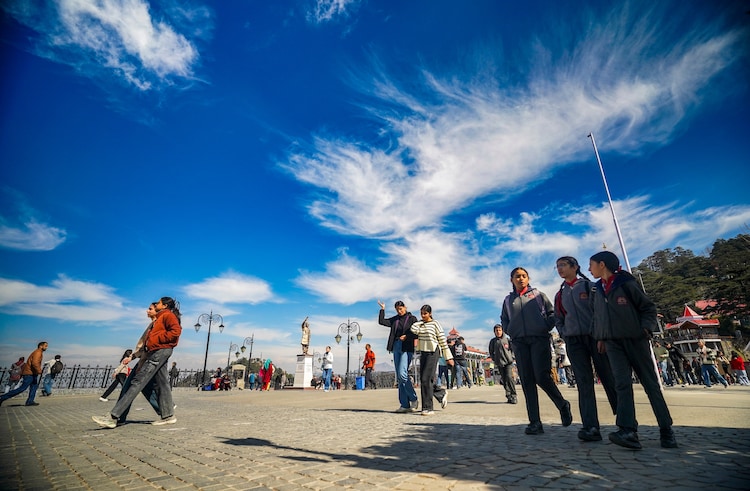
Shimla went over 27C this April, which was above normal by 2–7C, while Manali recorded a maximum temperature of 25.4C, both running warmer than seasonal norms.
The IMD has explicitly warned that heatwave conditions are very likely in isolated pockets of Jammu and Kashmir.
AN EARLY SUMMER WITH NO EASY ESCAPE
Heatwave-like conditions are normally experienced in May and June. Their appearance in late April is highly unusual.
This year heatwaves across India have arrived earlier than usual, with several regions already recording extreme temperatures in April, weeks before peak summer typically begins.
IMD’s seasonal outlook for April to June 2026 warns of above-normal heatwave days likely over parts of east, central, northwest India, and the southeast peninsula.
The uncharacteristic heat in the hills and mountains would force populations unaccustomed to hot conditions to adapt to them, with the IMD predicting above-normal heatwave days in several parts of the hill states.
The Western Ghats are also home to hill stations like Mahabaleshwar, Lonavala, and Matheran, where temperatures have unsettled seasonal expectations this April, leaving residents and visitors sweating and seeking shade.
TROUBLE IN THE HIMALAYAS
The heat battering India’s hill stations is part of a much larger story unfolding across the Himalayas.
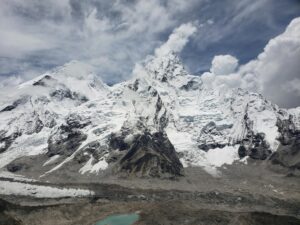
The Hindu Kush Himalaya region is now in its fourth consecutive year of below-normal snow persistence, with snow levels declining to 27.8% below average this year, breaking last year’s own record low of 23.6%.
Snow persistence is a term used to describe how long snow stays on the ground after falling. Less of it means the mountains are losing their cold cover faster than ever.
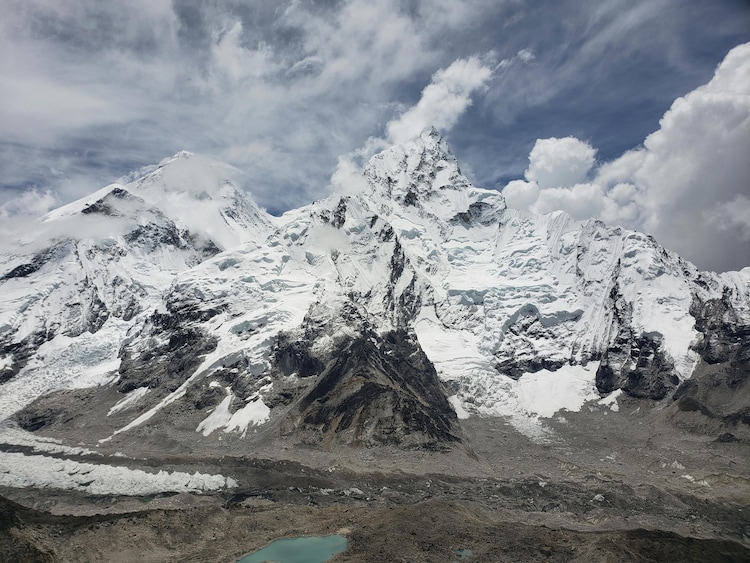
Ten out of twelve major river basins fed by these mountains are now recording below-normal snow levels, with several hitting their lowest figures in two decades of monitoring.
For India, this is concerning as nearly 240 million people depend on the glaciers and the rivers they feed.
The rivers, including the Indus, Ganga, and Brahmaputra, originate in these mountains, with another billion living downstream.
Less snow today means less water tomorrow.
WHAT THIS MEANS FOR YOUR TRIP
As for your trips, the hills will still be cooler than the plains, but the margin of relief is declining.
The increase in heat during summer after a predominantly dry winter could also lead to dryness, drought-like conditions, and wildfires, especially in the hills and mountains. It was already evident back in January and February when some hilly regions witnessed uncharacteristic wildfires that lasted for days.
If you are planning a hill station trip this summer, go, but go prepared.
Check IMD forecasts before you travel, pack for warmer afternoons than you expect, stay hydrated, and avoid outdoor activity during peak afternoon hours.
The mountains are not immune any more. Climate change is rewriting the rules of the Indian summer, and the hills are part of that story now.