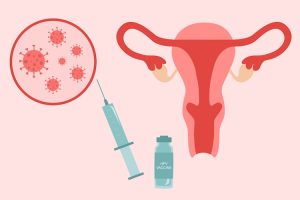
The Indian government has just greenlit a massive 90-day health drive to provide free Human Papillomavirus (HPV) vaccines to 14-year-old girls across the country.
This move, starting in March 2026, aims to tackle cervical cancer, a disease that claims nearly 80,000 lives in India every year.
Central to this mission is Gardasil 4, a quadrivalent vaccine manufactured by American pharmaceutical firm Merck & Co, which will be administered free of cost at government health facilities.
A quadrivalent vaccine is a specific type of shot designed to stimulate an immune response against four different antigens, such as four distinct strains of a virus, providing broader protection.
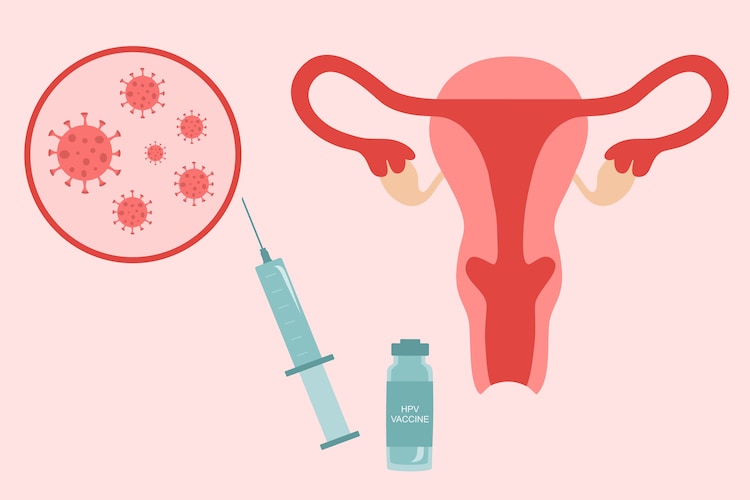
While the news is buzzing with logistics and portal bookings, the real magic lies in the tiny vials of the vaccine itself.
Understanding how a simple shot can prevent cancer is not just fascinating science; it is a life-saving bit of knowledge.
WHAT EXACTLY IS HUMAN PAPILLOMAVIRUS?
Before we talk about the shield, we must understand the sword.
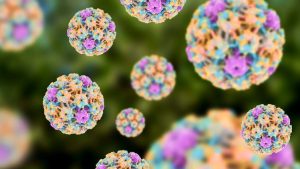
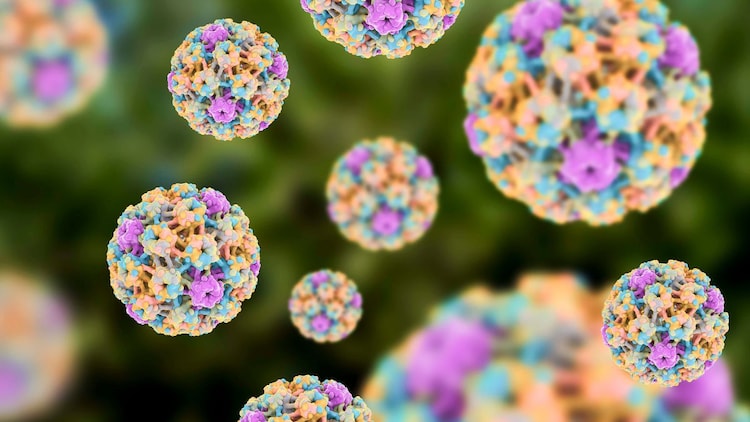
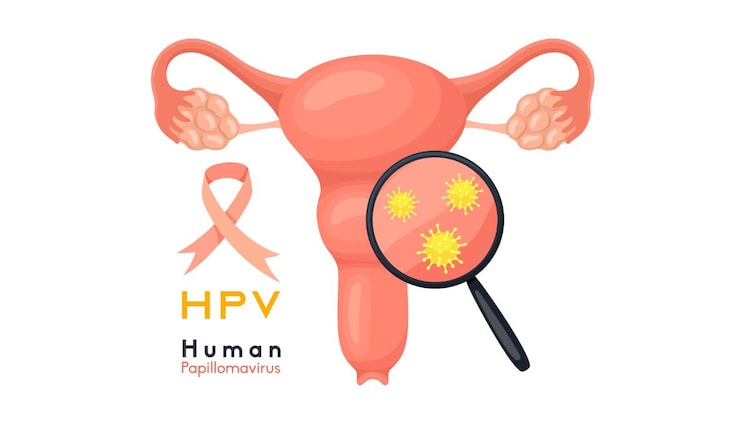
HPV is a small, non-enveloped DNA virus. Unlike some viruses that are wrapped in a fatty layer, HPV is encased in a tough protein shell called a capsid.
This shell is made of 72 star-shaped units, which protect the genetic material inside. There are more than 200 different types, or genotypes, of HPV. Scientists categorise these based on the sequence of their DNA.
HPV is specifically epitheliotropic, which means it has a biological preference for the epithelial cells of your skin and mucous membranes.
When the virus enters the body through a tiny abrasion or microscopic tear, it travels down to the basement membrane, the deepest layer of your skin cells. Here, it hijacks the machinery of the basal cells. Instead of the cell doing its normal job, it starts reading the viral DNA.
The virus is divided into two categories: low-risk and high-risk. Low-risk types might cause nothing more than common warts.
However, high-risk types, such as HPV 16 and 18, produce specific proteins known as E6 and E7.
According to research from Johns Hopkins Medicine, these proteins are the real danger; they disable the natural tumour-suppressor proteins in your body.
When these natural guards are turned off, cells begin to grow uncontrollably, which is the foundational step in the development of cervical cancer.
A group of more than 200 related viruses, one can think of HPV as a massive family of uninvited guests. While many are harmless, about a dozen types are high-risk because they can lead to cancer.
In India, HPV 16 and 18 are the primary culprits, responsible for roughly 83 per cent of cervical cancer cases.
These viruses are usually spread through skin-to-skin sexual contact. Most people’s immune systems clear the infection naturally, but when the virus lingers for years, it can turn healthy cells into cancerous ones.
HOW DOES HPV VACCINE WORK IN THE BODY?
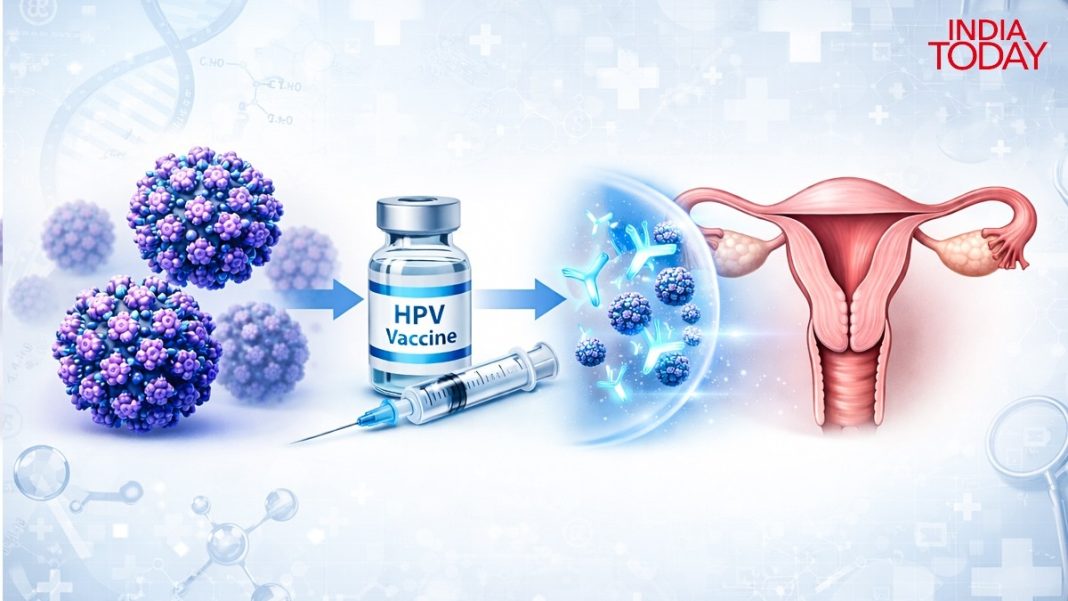
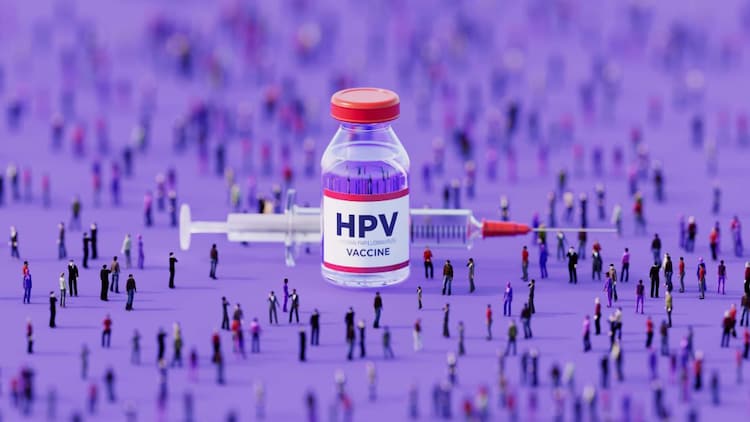
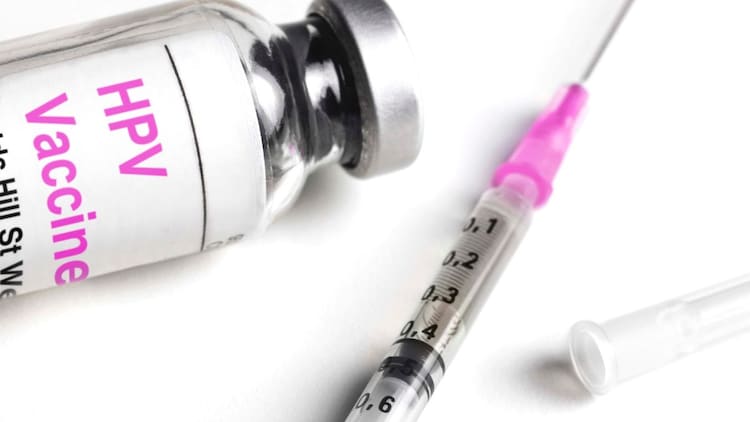
The vaccine does not contain the actual virus, so it cannot give you an infection. Instead, it uses something called Virus-Like Particles (VLPs).
These are engineered proteins that look exactly like the outer shell of the virus but are empty inside.
When the vaccine is injected, your immune system sees these impostors and thinks it is under attack. It immediately starts producing antibodies, which are the body’s internal security guards.
If you are ever exposed to the real HPV later in life, your immune system already has the blueprints to fight it.
These antibodies recognise the virus instantly and neutralise it before it can infect your cells.
A study published in The Lancet confirmed that vaccination can reduce cervical cancer rates by almost 90 per cent when given at a young age.
WHY WAIT UNTIL 14 IF PUBERTY STARTS EARLIER?
A common question arises regarding the timing of the dose. While puberty can often begin as early as 8 or 9 years of age, the government has fixed the age at 14 for this drive.
Doctors explain that this age is a sweet spot for public health implementation. It ensures the vaccine is administered long before the typical age of exposure to the virus while still benefiting from the hyper-responsive immune system of a teenager.
Scientifically, the immune response at this age is so potent that the World Health Organization (WHO) now supports a single-dose schedule, as it provides enough antibodies to last for years.
WHY ARE 14-YEAR-OLD GIRLS BEING VACCINATED AGAINST HPV?
Timing is everything in biology. The WHO and the Centers for Disease Control and Prevention (CDC) recommend vaccinating children before they are exposed to the virus.
By vaccinating 14-year-olds against HPV, the Indian government aims to ensure that girls have a robust immune response well before any potential exposure.
Research from the National Cancer Institute shows that younger immune systems actually produce more antibodies in response to the vaccine than older ones do.
This is why a single dose of Gardasil 4, which the Indian government is providing, is now considered highly effective for this age group.
CAN MALES ALSO BENEFIT FROM THE VACCINE?
While the current government drive focuses on girls, HPV is not gender-specific. It can cause cancers of the throat, head, neck, and other regions in men.
According to the Mayo Clinic, vaccinating boys helps create herd immunity. This means that if fewer people carry the virus, the overall spread in the community drops, protecting everyone.
In India, vaccines like Gardasil 9 are available in the private market for both males and females up to age 45, offering protection against nine different strains of the virus.
IS THE VACCINE SAFE AND EFFECTIVE?
Decades of data from the CDC and WHO prove that HPV vaccines have an excellent safety record.
Common side effects are usually mild, such as a sore arm or a slight fever.
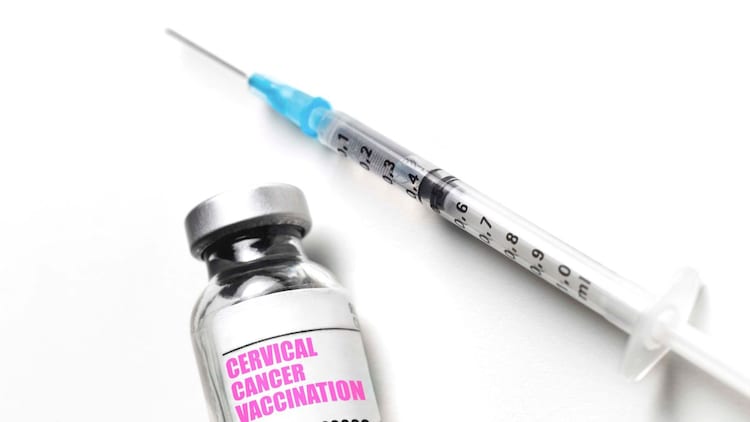
With India’s indigenous vaccine, Cervavac, and the international Gardasil 4 now entering the public health system, the country is on a path to potentially eliminating cervical cancer for future generations.