
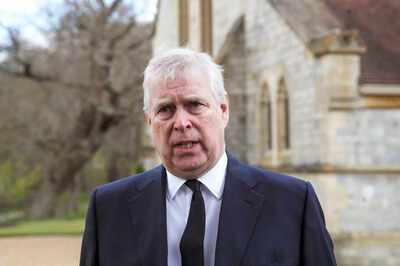
If Prince Andrew’s recent arrest sounds like royal drama, it only does so because modern monarchy exists inside a very soft, carefully upholstered version of history. In the long and extremely violent story of European thrones, being briefly detained would barely qualify as an inconvenience. By historical standards, it sits somewhere between “awkward afternoon” and “slightly unfortunate diary entry. ”
Because for most of Europe’s past, royal encounters with “trouble” did not involve lawyers and press statements. They involved betrayal, imprisonment, mutilation, and public execution. A crown was not merely a symbol of power. It was a flashing target.
England alone reads like a cautionary handbook for anyone tempted by hereditary privilege. Edward II was overthrown and murdered in captivity in 1327. Richard II was deposed and died mysteriously in prison, almost certainly eliminated to prevent a comeback. Then came Charles I, whose fate remains one of the most astonishing political reversals in history. After losing a civil war to his own Parliament, he was tried for treason against his people and publicly beheaded in 1649. A king, believed to rule by divine right, brought down by his own subjects in full public view.
France elevated royal downfall into national spectacle. During the Revolution, Louis XVI and Marie Antoinette were not merely stripped of power. They were guillotined before cheering crowds. The executions had an atmosphere closer to a grim carnival than a solemn state act. Royalty had gone from sacred to disposable almost overnight.
Russia was even harsher. In 1918, Tsar Nicholas II and his entire family were executed by Bolsheviks in a basement.
No exile. No retirement. No ceremony. Just the abrupt, violent erasure of a dynasty that had ruled for centuries.
Even when monarchs were spared execution, their endings were rarely gentle. Napoleon Bonaparte spent his final years in exile on a remote Atlantic island, effectively sentenced to a slow decline in isolation. Kaiser Wilhelm II fled to the Netherlands after World War I and lived out his days as a bitter relic of a vanished world.
Against this backdrop, modern royal scandals feel almost absurdly mild. The most dramatic consequences today are reputational damage, media scrutiny, and perhaps a temporary dent in public approval ratings. The tools of accountability have shifted from swords to headlines.
Popular culture, interestingly, captures this contrast perfectly. One of the most shocking scenes ever shown on television, the Red Wedding in Game of Thrones, was not a wild fantasy invention.
It was inspired by real historical events, especially Scotland’s “Black Dinner” of 1440 and the Massacre of Glencoe in 1692. In both cases, guests who had accepted hospitality were betrayed and killed after feasts. Young nobles invited to dine were dragged outside and executed. Families that had sheltered soldiers were murdered in their sleep.
In other words, what audiences experienced as peak fictional brutality was simply history wearing a slightly different costume.
That is the real transformation of monarchy. Once, kings lived dangerously but wielded enormous authority. Today’s royals live safely but wield almost none. Their power comes from symbolism, visibility, and public goodwill rather than armies or divine claims.
So if Prince Andrew’s arrest feels dramatic, history offers a rather dry punchline. His predecessors lost thrones, kingdoms, and lives. Some entire royal families vanished overnight. Many never saw old age. He, at worst, faces legal procedure and a noisy news cycle. For a royal, that is not scandal. That is the gentlest fate monarchy has ever known.


