The Andhra Pradesh Forest Department has started a conservation status survey for the unique and rare Peacock Tarantula in the Nagarjunasagar Srisailam Tiger Reserve (NSTR).
This initiative, carried out with the Eastern Ghats Wildlife Society, aims to learn more about this unique spider found only in a small part of the state’s Eastern Ghats.
The announcement highlights that conservation efforts must include not just popular animals like tigers, but also rare and lesser-known species that play important roles in the variety of ecosystems found across India.
A GEM IN EASTERN GHATS
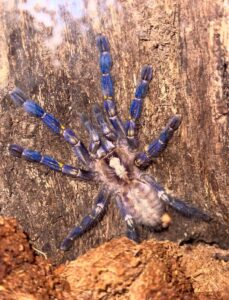
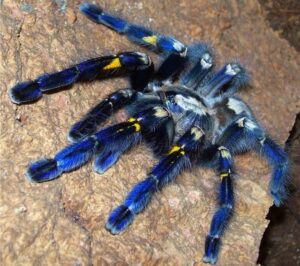
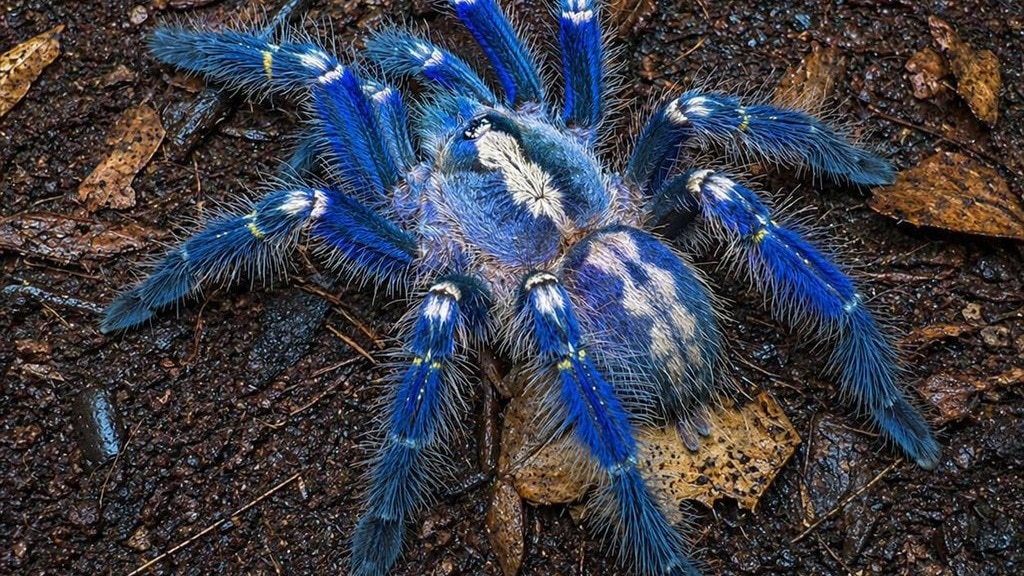
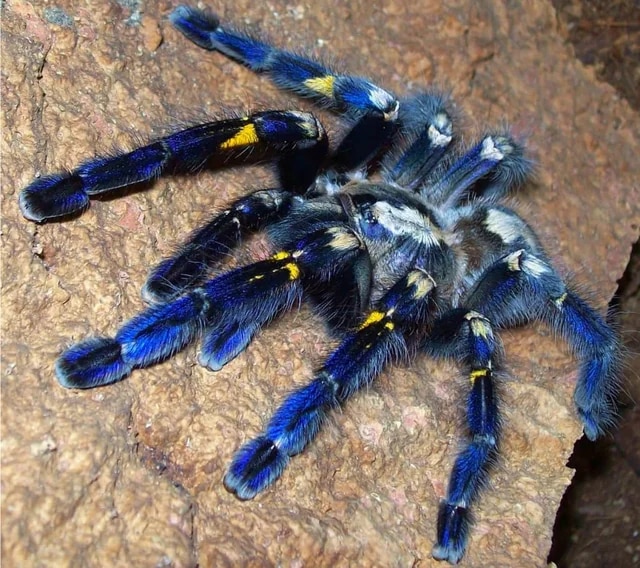
The Peacock Tarantula, known scientifically as Poecilotheria metallica, is known for its beautiful metallic blue colour and intricate patterns covering its body.
Often called the Gooty Sapphire or Metallic Tarantula, it is an arboreal spider, meaning it lives in trees, hiding in crevices and holes in old deciduous forests.
Adult spiders belonging to the species can reach about 15–20 cm in leg span. The tarantula is also what’s called an ambush predator that waits for insects to pass by and gets the jump on them to complete its hunt.
This spider is endemic to Andhra Pradesh, restricted to a very small area of less than 100 square kilometres in the Eastern Ghats. It was first described over a century ago and later rediscovered in places like the Seshachalam hills.
WHY IS THE SPIDER ENDANGERED?
The International Union for Conservation of Nature (IUCN) lists the Peacock Tarantula as Critically Endangered.
According to the IUCN, a species earns this designation when its population has shrunk by 80% or more over 10 years or three generations, its habitat is severely restricted, or fewer than 50 mature individuals remain.
The spider’s tiny natural range makes it highly vulnerable, but the main threats it faces come from habitat loss due to logging, firewood collection, and forest degradation. Illegal collection for the international pet trade also adds significant pressure on its survival, as collectors prize its bright colours.
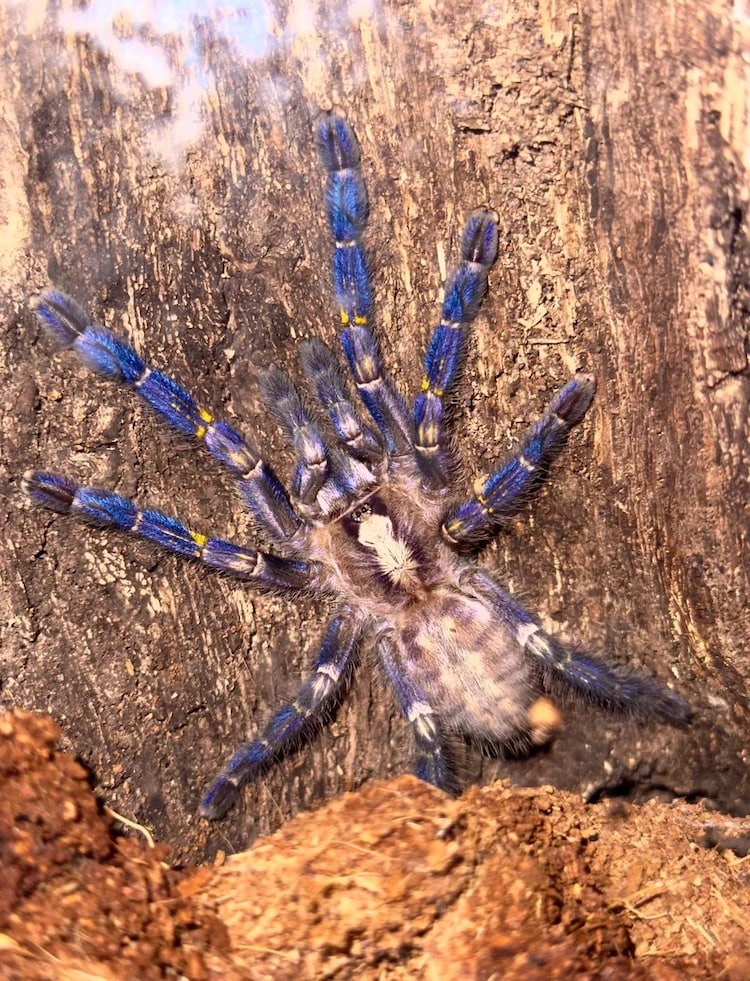
Because the spider depends on mature, old-growth trees, even small changes in the forest can harm its survival. The spider’s exact population size is not well known, but experts believe it is significantly declining.
The new survey in NSTR, one of India’s largest tiger reserves, will help map where the tarantulas live, estimate their numbers, and identify specific threats in this protected landscape.
Better information is the first step toward targeted protection efforts.
TOWARDS CONSERVATION
The Eastern Ghats Wildlife Society, a non-profit focused on community-based conservation in the region, is partnering with the Forest Department.
This collaboration brings scientific expertise and local knowledge together.
Officials note that this survey is part of a larger commitment to protect the state’s biodiversity under the leadership of Chief Minister N Chandrababu Naidu and Deputy Chief Minister Pawan Kalyan.
Protecting such endemic species helps maintain healthy forests that benefit many other plants and animals. For experts, the survey offers a chance to gather fresh data on distribution and ecology.
It’s a reminder that even small, hidden creatures deserve attention. Every species, no matter how unusual, is part of the web of life. This effort shows hope for the Peacock Tarantula.
With careful study and protection, this rare blue jewel of the Eastern Ghats may have a brighter future in the wild.