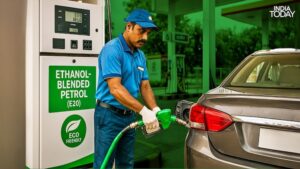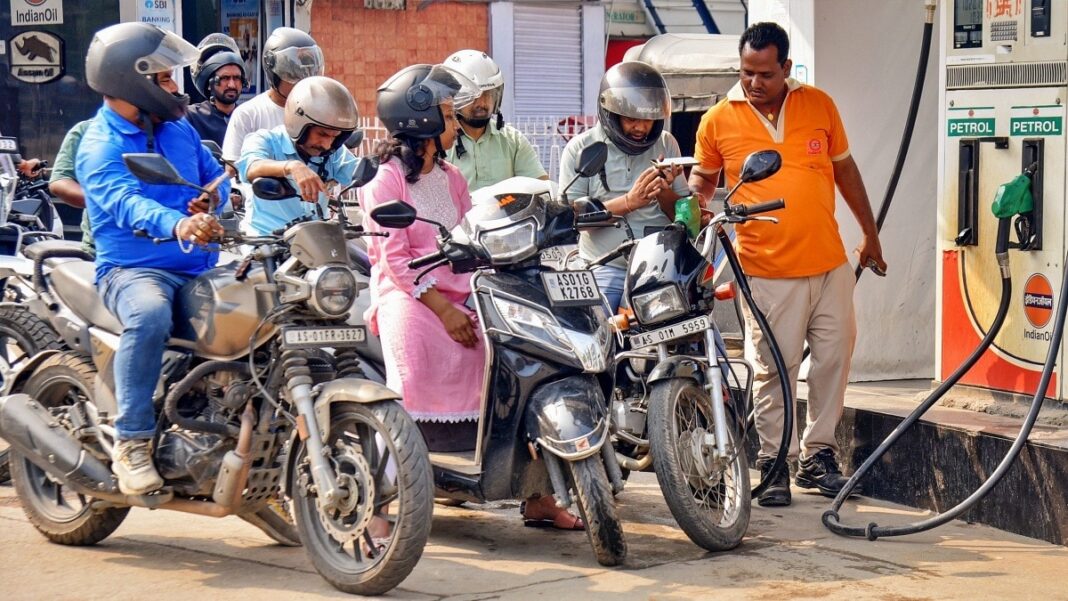
India’s ambitious push toward cleaner fuels has put ethanol blending at the centre of its energy strategy.
The government is set to soon release draft regulations for E85, a fuel blend comprising up to 85% ethanol and 15% petrol, marking a significant step in India’s biofuel roadmap. First envisioned in 2016, the move is now gaining urgency amid a global oil crisis triggered by ongoing tensions in the Middle East.
According to a senior government official quoted by The Hindu, draft rules for introducing Ethanol 85 (E85) will be issued “very soon.”
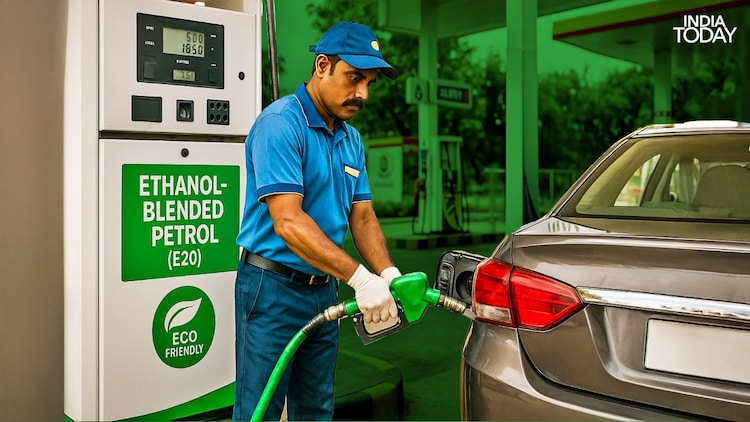
While policymakers have steadily increased blending targets, with many regions already achieving E20, the long-term conversation is now shifting toward higher blends like E85. But a key question remains: if ethanol is cleaner and domestically produced, why isn’t India going all the way to 100% ethanol?
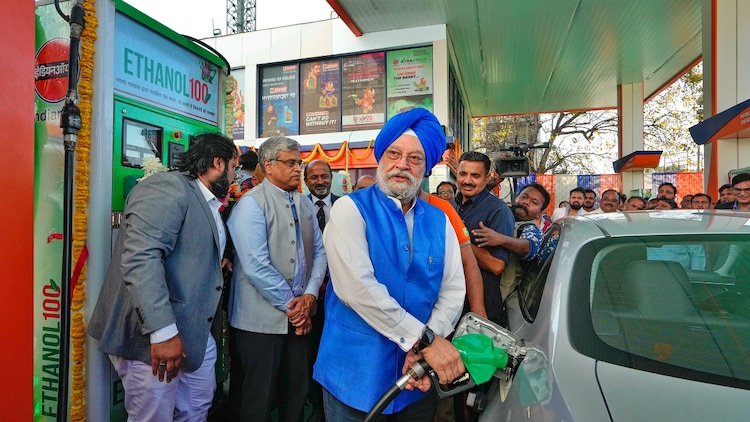
WHY E85 AND NOT E100?
The answer lies in a mix of science, engineering, and economic reality.
At its core, ethanol behaves very differently from petrol. It has a significantly lower energy density, about 30 to 35% less per litre, which means vehicles running on pure ethanol would travel shorter distances on the same amount of fuel.
While ethanol’s higher octane rating allows for smoother and more efficient combustion, this advantage can only be fully utilised in engines specifically designed for it.
That brings in the biggest hurdle: compatibility.
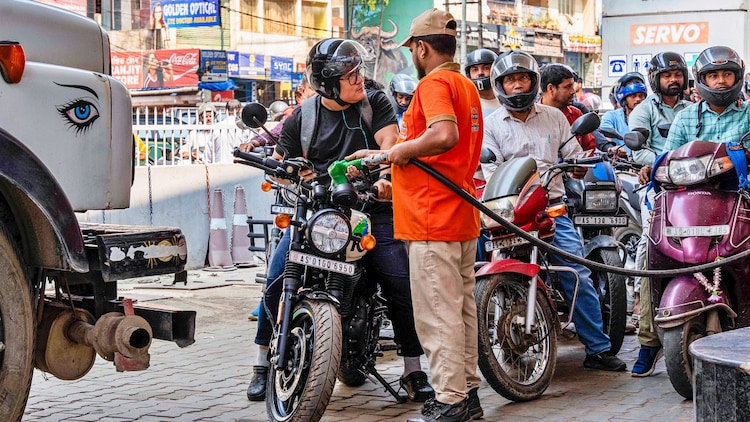
ARE INDIAN VEHICLES READY FOR E85 FUEL?
India’s current vehicle fleet is overwhelmingly built for petrol, not ethanol. Running cars on E100 would require widespread adoption of flex-fuel engines, which are designed to handle higher ethanol blends.
Ethanol is more corrosive than petrol and can degrade rubber, plastics, and even certain metals in conventional fuel systems. It also requires higher fuel flow rates and different air-fuel calibration, meaning existing engines would need substantial redesign.
There are also operational challenges. Pure ethanol does not evaporate as easily as petrol, making cold starts more difficult, a key concern in northern India’s winters. These technical barriers make an immediate transition to E100 impractical without a complete overhaul of the country’s automobile ecosystem.
WHAT MAKES E85 FEASIBLE?
By blending 85% ethanol with petrol, India can significantly reduce crude oil consumption while avoiding the extreme technical challenges of pure ethanol.
Flex-fuel vehicles can operate efficiently on E85 with fewer modifications compared to E100, making it a more realistic near-term goal.
Beyond engineering, supply constraints also play a crucial role.
Ethanol in India is primarily produced from sugarcane and grains like maize. Scaling production to meet the demands of E100 nationwide would require vast amounts of land and water. Sugarcane, in particular, is a water-intensive crop, raising concerns about sustainability and competition with food production.
Current distillery capacity is also limited. While India has rapidly expanded ethanol production in recent years, it is still not sufficient to fully replace petrol. Moving to E85 allows the country to increase ethanol use without overburdening agricultural resources or supply chains.
The strategic benefits, however, are clear. India imports a large portion of its crude oil, making it vulnerable to global price shocks and geopolitical tensions.
Increasing ethanol blending improves energy security by relying more on domestically produced fuel. It also helps reduce emissions, as ethanol burns cleaner than petrol, cutting carbon monoxide and particulate pollution.
Experts see E85 not as a final destination, but as a transition. It allows India to gradually adapt its vehicles, infrastructure, and agriculture to higher ethanol use, without the disruption that a sudden leap to E100 would bring.