Pakistan has taken a significant step into human spaceflight, with two of its air force pilots selected as astronaut candidates for a future mission to China’s space station.
The announcement marks the country’s most ambitious move yet in space exploration and signals deepening cooperation with Beijing in advanced scientific domains.
The two candidates, Muhammad Zeeshan Ali and Khurram Daud, are both serving pilots in the Pakistan Air Force.
They have been shortlisted by the China Manned Space Agency (CMSA) and will soon travel to China to begin intensive training at the Astronaut Centre of China.
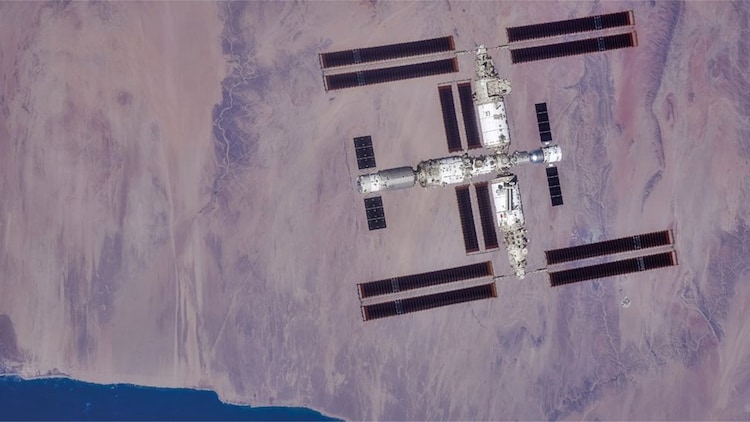
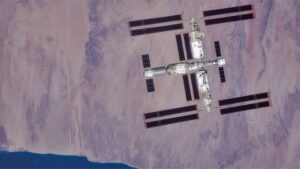
From this pair, one astronaut will ultimately be selected as a payload specialist for a mission to the Tiangong space station, making history as the first foreign astronaut to visit the orbiting laboratory.
According to Chinese state media, CMSA described the selection of Pakistani astronauts as a “landmark event” in the history of China’s space programme. The development, reported by Xinhua News Agency, reflects Beijing’s growing willingness to internationalise its space efforts and share its technological achievements.
China has increasingly positioned its space station as a platform for global collaboration, particularly after being excluded from cooperation with the United States-led International Space Station. Officials have emphasised that the programme is open to international partners, especially developing nations seeking access to human spaceflight opportunities.
“The peaceful use of outer space for the benefit of all humanity has always been the original aspiration and mission of China’s space programme,” CMSA said in a statement, underlining its broader diplomatic messaging around space cooperation.
On the Pakistani side, the Space and Upper Atmosphere Research Commission (Suparco) called the development a “significant step forward” in the country’s space journey. It added that the mission would mark Pakistan’s first-ever participation in a human spaceflight programme, a milestone that places it among a select group of nations involved in sending humans into orbit.
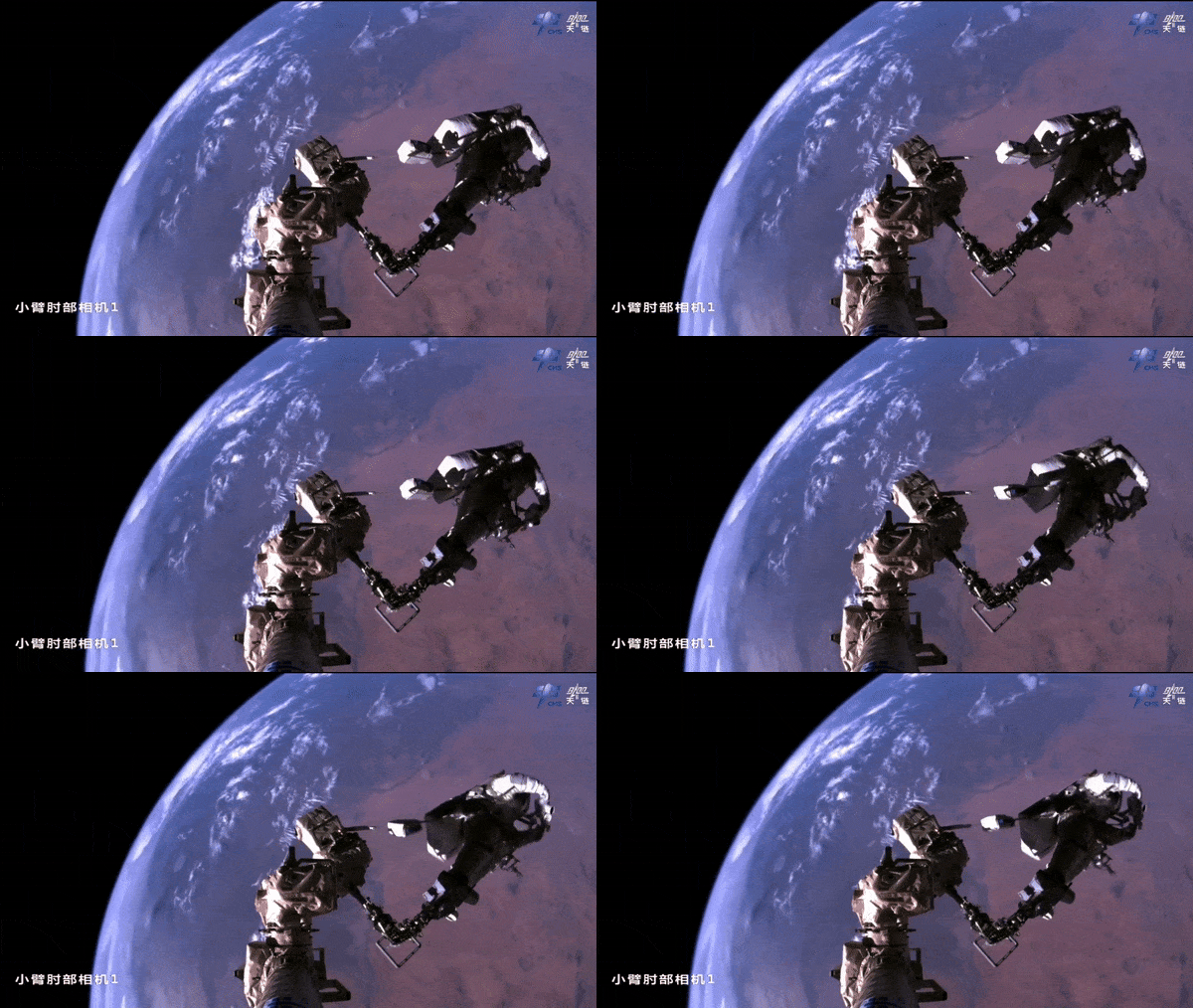
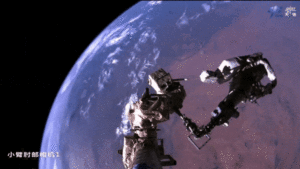
The planned mission, expected to launch in late 2026, will see the selected Pakistani astronaut conduct a series of scientific experiments aboard the Chinese space station. These experiments will focus on microgravity research in areas such as material science, fluid physics, life sciences and biotechnology.
Suparco noted that the outcomes could have practical applications back on Earth, including advancements in climate resilience, food security and industrial innovation, areas of growing importance for Pakistan and other developing countries.
Prime Minister Shehbaz Sharif welcomed the development, calling it a “harbinger of deep space exploration” for the country. He also described the collaboration as another example of the longstanding strategic partnership between Pakistan and China.
The move comes at a time when global space activity is expanding rapidly, with new entrants seeking to join an arena long dominated by a handful of nations. For Pakistan, the opportunity to send an astronaut to orbit, even as part of a partner mission, represents both a symbolic and scientific leap forward.
As training begins in China, all eyes will be on which of the two candidates ultimately secures a seat aboard Tiangong, and how this mission shapes Pakistan’s future ambitions in space.