
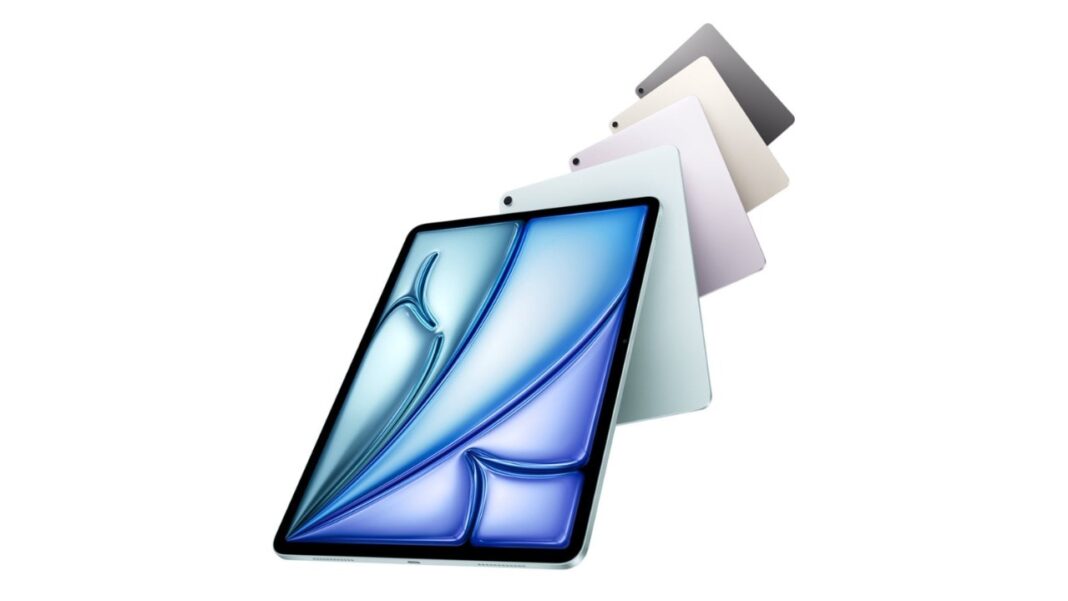
Last month, Apple unveiled the latest iPad Air, powered by its M4 chip. But the momentum doesn’t seem to be slowing down. Even as the device begins reaching users, early chatter about the next-generation iPad Air is already making rounds online. For years, the iPad Air has relied on LED-backlit LCD panels, but that long-standing choice may soon change. Fresh reports suggest that the upcoming model, expected to debut next year, could feature an OLED display. If this shift materialises, it would mark a transition for Apple, potentially aligning the iPad Air with the display technology introduced in last year’s iPad Pro.
According to a report by Korean publication ETNews, Samsung Display is set to begin mass production of OLED panels for the iPad Air toward the end of 2026. Starting production by then would allow the panels to be used in next year’s model, which is expected to launch around March or May.
The report further notes that iPad Air sales have generally outpaced those of the iPad Pro. It adds that, unlike the iPad Pro—which faced relatively lower demand due to its higher price driven by OLED adoption—the iPad Air benefits from lower specifications and manufacturing costs. With OLED expected to be introduced, the iPad Air could see even stronger sales going forward.
Earlier, ETNews reported that Samsung Display will supply its latest M16 OLED panels to both Apple and Google. These panels are expected to be used in upcoming devices such as the iPhone Fold and the Galaxy S27 series. The report also noted that Samsung Display remains the largest supplier of OLED panels for iPhones. Additionally, the supply volume for M16 OLED panels in the second half of the year is projected to reach around 50 million units for the iPhone 18 Pro and iPhone 18 Pro Max, along with approximately 10 million units for the foldable iPhone.
For more than two years Samsung’s M14 OLED panels used inside devices like the iPhone 16 Pro and Pro Max, including the iPhone 17 series, and the Pixel 10 series. Now, time maybe coming for the new M16 panels and they are said to come with improve brightness, colour and lifespan. However, for most users, the difference in display quality may be hardly noticeable, as the M14 panels already deliver top-tier colour accuracy and brightness.


