
General Dan Caine, Chairman of the Joint Chiefs of Staff, on Sunday detailed the execution of Operation Epic Fury, describing a tightly coordinated, multi-domain assault on Iran that began with direct authorisation from United States President Donald Trump.
According to Caine, at 3.38 pm on Friday, February 27, United States Central Command — through the Secretary of War — received the final go order from the President. Trump directed, and Caine quoted: “Operation Epic Fury is approved. No aborts. Good luck”.
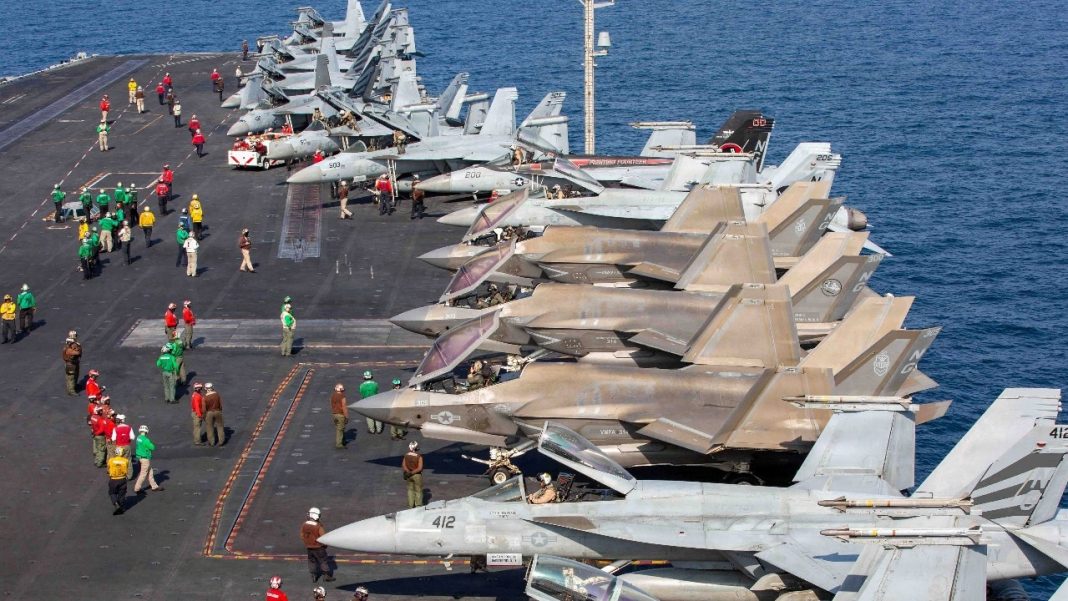
“In the region, every element of the joint force moved into final preparation. Air defence batteries readied their systems to counter potential Iranian retaliation. Pilots and crews rehearsed strike packages, aircrews began loading weapons, and two aircraft carrier strike groups advanced toward their launch positions,” he said.
Simultaneously, Caine said, US operations centres were activated across Florida, the Pentagon, and the Central Command area of responsibility.
The Chairman of the Joint Chiefs of Staff said the mission was highly classified so that, at the moment of attack, the enemy would experience only “speed, surprise and violence of action”. “The opening moves came from the United States Cyber Command and United States Space Command, which layered non-kinetic effects to disrupt, downgrade and blind Iran’s ability to see, communicate and respond,” Caine explained.
At H-hour — 9.45 am local Tehran time — more than 100 aircraft were launched from land and sea.
“The formation included fighters, tankers, airborne electronic attack platforms, bombers from the United States and unmanned systems, all operating in a single synchronised wave,” he said.
Furthermore, Caine described the mission as a daylight strike triggered by an event involving the Israel Defense Forces, enabled by US intelligence.
“The first sea-based strikes came from Tomahawk missiles launched by the US Navy, which closed in on Iranian naval forces and began hitting targets across Iran’s southern flank. On the ground, US forces fired precision stand-off weapons that Caine described as measured, deliberate, precise and lethal,” he said.
The assault, Caine said, struck more than 1,000 targets in the first 24 hours.
“We are now roughly 57 hours into the operation,” Caine said, adding that the initial phase focused on systematically targeting Iranian command-and-control infrastructure, naval forces, ballistic missile sites and intelligence networks.
Coordinated space and cyber operations, he said, effectively disrupted communications and central networks across the area of responsibility, leaving the adversary “unable to see, coordinate or respond”.
The combined impact of the strikes has established local air superiority, which Caine said would both protect US forces and enable continued operations over Iran.
Over the past two days, joint forces have launched hundreds of missions from land and sea, with the effort continuing to scale. The campaign has included American B-2 Spirit bombers.
Additionally, Israel has separately flown hundreds of sorties against targets in Iran. US strike packages across the region have coordinated salvos of precision stand-off weapons and neutralised hundreds of pre-planned targets.
“Let me close — US operations will remain active,” Caine said.
DECODING OP EPIC FURY
General Dan Caine, Chairman of the Joint Chiefs of Staff, laid out the sequence of Operation Epic Fury:
- Final go order: At 13.38 pm on Friday, February 27, United States Central Command received the final go order from President Donald Trump. The President directed: “Operation Epic Fury is approved. No aborts. Good luck”.
- Forces moved into position: Across the region, joint force elements made final preparations. Air defence batteries readied systems for potential Iranian retaliation, pilots and crews rehearsed strike packages, aircrews loaded weapons, and two aircraft carrier strike groups moved toward launch points.
- Global command centres activated: US operations centres came live in Florida, the Pentagon, and the Central Command area of responsibility.
- Highly classified opening: The operation was tightly held so that, at the moment of attack, the enemy would see only speed, surprise and violence of action.
- Cyber and space first strike: United States Cyber Command and United States Space Command initiated non-kinetic effects, disrupting, downgrading and blinding Iran’s ability to see, communicate and respond.
- H-hour air assault: At H-hour (9.45 am local Tehran time), more than 100 aircraft launched from land and sea in a single synchronised wave. The package included fighters, tankers, airborne electronic attack platforms, bombers from the United States and unmanned systems. Caine said the daylight strike was triggered by an event involving the Israel Defense Forces, enabled by US intelligence.
- Tomahawk salvo: The first sea-based shooters were Tomahawk missiles launched by the US Navy, which struck Iranian naval forces and targets across the country’s southern flank.
- Precision ground strikes: US forces fired stand-off weapons that Caine described as measured, deliberate, precise and lethal.
- Scale of damage: More than 1,000 targets were struck in the first 24 hours of the operation.
- Current phase: Roughly 57 hours into the campaign, the focus has been on systematic targeting of Iranian command-and-control infrastructure, naval forces, ballistic missile sites and intelligence networks.
- Communications disruption: Coordinated space and cyber operations have effectively disrupted communications and central networks across the area of responsibility, leaving the adversary unable to see, coordinate or respond.
- Air superiority achieved: The combined impact of the strikes has established local air superiority, enhancing protection for US forces and enabling continued operations over Iran.
- Mission tempo rising: Over the last two days, joint forces have launched hundreds of missions from land and sea, with the effort continuing to scale. The campaign has included American B-2 Spirit bombers.
- Parallel Israeli strikes: Israel has separately flown hundreds of sorties against targets in Iran, while US strike packages across the region have coordinated salvos of precision stand-off weapons, neutralising hundreds of pre-planned targets.
- Operations ongoing: “Let me close, US operations will remain active,” Caine said.
MIDDLE EAST CONFLICT
The United States and Israel launched coordinated airstrikes on Iran late on February 27 under Operation Epic Fury, killing Iran’s Supreme Leader, Ali Khamenei, along with several senior military and administrative figures. The strikes targeted key government and military infrastructure across the Islamic Republic.
Iran retaliated with barrages of missiles at Israel and attacks on American bases and interests across the Gulf region, including in the United Arab Emirates, Bahrain, Saudi Arabia, Qatar and Kuwait.
Earlier in the day, President Trump said that American combat operations in Iran remain underway “in full force” and will continue until Washington achieves what he described as “very strong objectives”, signalling no immediate pause in the expanding conflict.
The US strikes launched on February 27, he said, have decimated Iran’s leadership and crippled key military and administrative establishments.


