
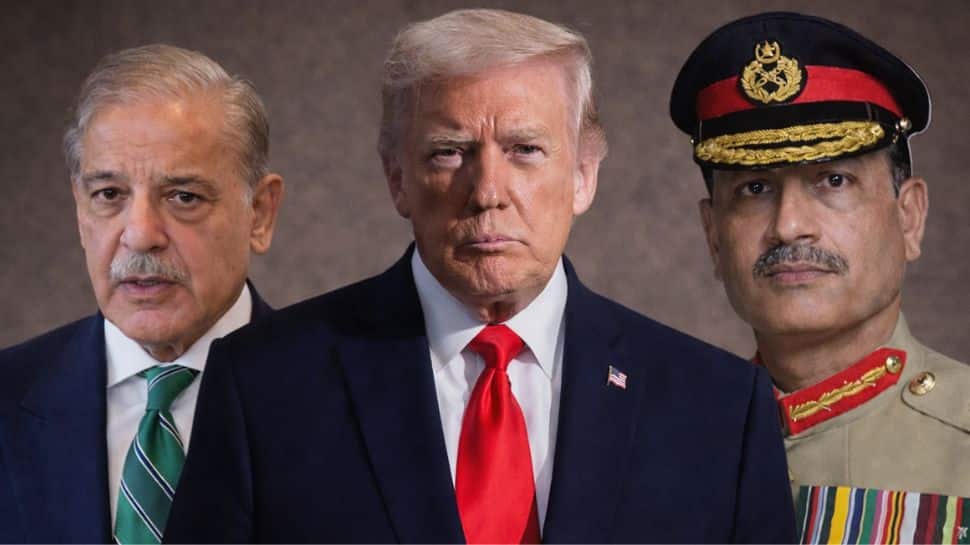
Middle East conflict: Pakistan’s role limited despite ‘drama diplomacy’ and theatrics

Pakistan’s “drama diplomacy”, led by Army Chief Asim Munir, is being viewed as a desperate attempt at “face-saving” outreach, following the collapse of the first round of talks between the United States and Iran.

According to a report in India Narrative, amid the shifting dynamics in the Gulf, Pakistan appears to be engaging in theatrics by pushing for a second round of talks, which is already on shaky ground and carries negligible diplomatic weight to deliver meaningful outcomes.

“After the collapse of the first round of talks, the second round is on the horizon and is almost on the brink of collapse, as Iran is unwilling to negotiate further with the US. Amid the tense drama of negotiations, Pakistan is staging its own desperate theatrics to project itself as a key player in Gulf conflict management and to reassert its dwindling influence in the Gulf. However, the broader strategic picture suggests that maximalist-driven interests and coercion are destabilising any effort towards peace in the Gulf,” the report detailed.

“The conflict exit process driven by diplomacy is a delicate art that requires a balance of power and flexibility, neither of which either side currently enjoys. As a result, the exit is gradually being delayed and is becoming a conundrum drama rather than a real episode of diplomacy,” it added.

According to the report, the United States appears to be revisiting its earlier negotiation script with other countries, this time relying on coercive tactics and a show of force in the Strait of Hormuz in an effort to push Iran back into talks.

It stated that, however, unlike past precedents, there is no real balance of power or flexibility, as Iran retains asymmetrical warfare capability that reinforces its survival and provides Tehran leverage to resist coercive pressure by the US, unlike North Vietnam.

“The negotiating terms remain maximalist, with Iranians seeking more concessions rather than a small bargain. Similarly, the US is ready to offer limited concessions but, in return, seeks maximalist demands, ranging from a long-term halt to complete abandonment of the nuclear or missile programme. In other words, flexibility is absent because coercive and preventive diplomacy is not working,” the report noted.

“This time around, Iran will not be walking away from the table with consolation prizes. They are seeking an exit on their own terms, which is effective and provides long-term strategic and security assurances, which makes the US’s prospects of seeking a deal a more dangerous gamble,” it added.

Emphasising the stakes involved, the report stressed that face-saving had become crucial for Asim Munir, as a complete breakdown in talks could further damage Pakistan’s credibility and weaken its efforts to strengthen ties in the Gulf.

The report further said, “While Pakistan’s role is limited to that of a messenger, even this minor diplomatic influence is at stake in the Gulf; hence, the fear is real for Asim Munir.”


Latest

Who are Bnei Manashe? A ‘Lost Tribe’ in India’s northeast finally make its way to Israel

After being exiled from the Kingdom of Israel, some members of these tribes are believed to have migrated over centuries through regions such as Persia, Afghani

Secret ‘human chain’ and handwritten letters: How Mojtaba Khamenei is commanding Iran

US-Iran war: Messages intended for Mojtaba Khamenei are reportedly handwritten, sealed in envelopes and passed on via a human chain of trusted couriers. The r

Putin’s quest for immortality: Russian scientists develop ‘RAGE’ gene therapy to extend life to 150 years

Russian scientists are reportedly developing a world-first gene therapy targeting the RAGE receptor to halt cellular aging. Linked to Vladimir Putin's goal of a

Nuclear secrets to the grave: The mysterious ‘pattern of disappearance’ killing the world’s brightest scientists

At least 20 top-tier defense scientists from the US and China have died or vanished since early 2026. From Maj. Gen. McCasland to AI pioneer Feng Yanghe, discov

US proposes bill for 3-year pause on H-1B visas in Congress

The proposed bill will reduce the annual visa cap from 65,000 to 25,000, end exemptions, replace the lottery with a wage-based selection system, and raise the m

Topics

Taxi driver’s daughter, Geetika Pant tops Uttarakhand Board with 98% marks

Geetika Pant, daughter of a taxi driver from Bageshwar, topped the Uttarakhand Board Class 12 exams with 98%. The result turned the district into a celebration

Who are Bnei Manashe? A ‘Lost Tribe’ in India’s northeast finally make its way to Israel

After being exiled from the Kingdom of Israel, some members of these tribes are believed to have migrated over centuries through regions such as Persia, Afghani

Once a firecracker hub, Bengal’s Haral faces job losses, SIR chaos

An uneasy silence hangs over Haral village in West Bengal, once known for lighting up festivities with its firecrackers. Shops are shuttered. Work has halted. E

Secret ‘human chain’ and handwritten letters: How Mojtaba Khamenei is commanding Iran

US-Iran war: Messages intended for Mojtaba Khamenei are reportedly handwritten, sealed in envelopes and passed on via a human chain of trusted couriers. The r

Putin’s quest for immortality: Russian scientists develop ‘RAGE’ gene therapy to extend life to 150 years

Russian scientists are reportedly developing a world-first gene therapy targeting the RAGE receptor to halt cellular aging. Linked to Vladimir Putin's goal of a

Nuclear secrets to the grave: The mysterious ‘pattern of disappearance’ killing the world’s brightest scientists

At least 20 top-tier defense scientists from the US and China have died or vanished since early 2026. From Maj. Gen. McCasland to AI pioneer Feng Yanghe, discov

US proposes bill for 3-year pause on H-1B visas in Congress

The proposed bill will reduce the annual visa cap from 65,000 to 25,000, end exemptions, replace the lottery with a wage-based selection system, and raise the m

Congress set a deadline on Trump’s Iran war: Will US president continue his war on Tehran after May 1? Explained

Under the War Powers Resolution, a federal law passed in 1973 to limit a president's authority to wage war without legislative backing, Trump has until 1 May to
spot_img

Related Articles

Popular Categories

spot_imgspot_img