

Key Takeaways
- Ethiopia’s Hayli Gubbi volcano erupted after 12,000 years, sending ash 45,000 feet high
- Ash cloud drifting over Delhi, Mumbai airspace at 100-120 km/h
- DGCA issues strict advisory, airlines cancel flights to Middle East
- Passengers advised to check flight status before travel
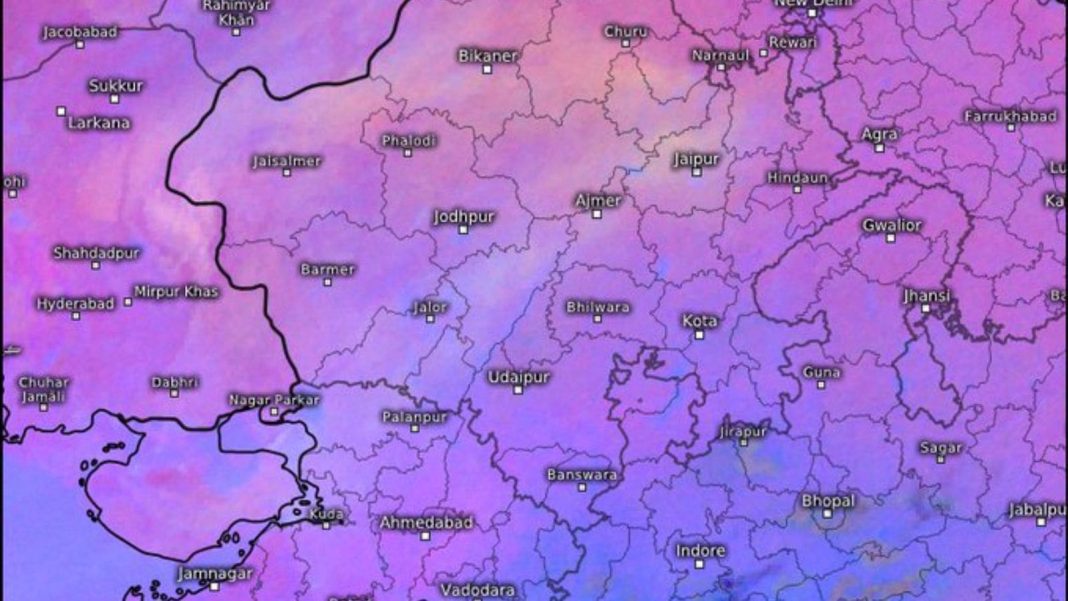
The Directorate General of Civil Aviation has issued urgent safety directives to all Indian airlines as volcanic ash from Ethiopia’s unprecedented eruption reaches Indian airspace. The massive ash plume, traveling northeast at 100-120 km per hour, is now affecting flight operations across multiple states.
DGCA’s Safety Advisory
Indian aviation authorities have implemented strict measures in response to the volcanic ash threat. Airlines must avoid affected areas, adjust flight routes and fuel planning, and immediately report any ash encounters. Crews and ground staff are following procedures from the Volcanic Ash Operations Manual.
The advisory mandates post-flight inspections for aircraft operating near affected regions and requires airports to restrict or adjust operations as needed. The DGCA has activated ASHTAM warnings – special alerts more urgent than standard NOTAMs – providing precise coordinates and movement forecasts.
Flight Disruptions and Cancellations
Several airlines have already cancelled operations due to the ash cloud. Air India Express suspended its Kochi-Jeddah route, while IndiGo cancelled Dubai-Kochi flights. Major airports including Delhi’s Indira Gandhi International continue operations under enhanced monitoring.
Despite disruptions, Air India confirmed its current operations remain unaffected, while IndiGo emphasized passenger safety as its top priority. Both airlines are closely tracking the developing situation.
Airline Responses
Akasa Air stated: “We are closely monitoring the volcanic activity in Ethiopia and its potential impact on flight operations in nearby regions. Our teams will continue to assess the situation in compliance with international aviation advisories and safety protocols and take necessary actions as required. At Akasa Air, passenger safety and well-being are our utmost priority.”
Historic Volcanic Event
The Hayli Gubbi volcano erupted Sunday morning after approximately 12,000 years of dormancy. The Smithsonian Institution’s Global Volcanism Program confirmed no previous activity during the Holocene period. The ash cloud has traveled westward over the Red Sea toward Yemen, Oman, India, and Pakistan regions.
Passengers are advised to check with their airlines for flight status updates and allow extra time for travel as the aviation industry responds to this unprecedented natural event.